What Is the Purchasing Managers’ Index (PMI)?
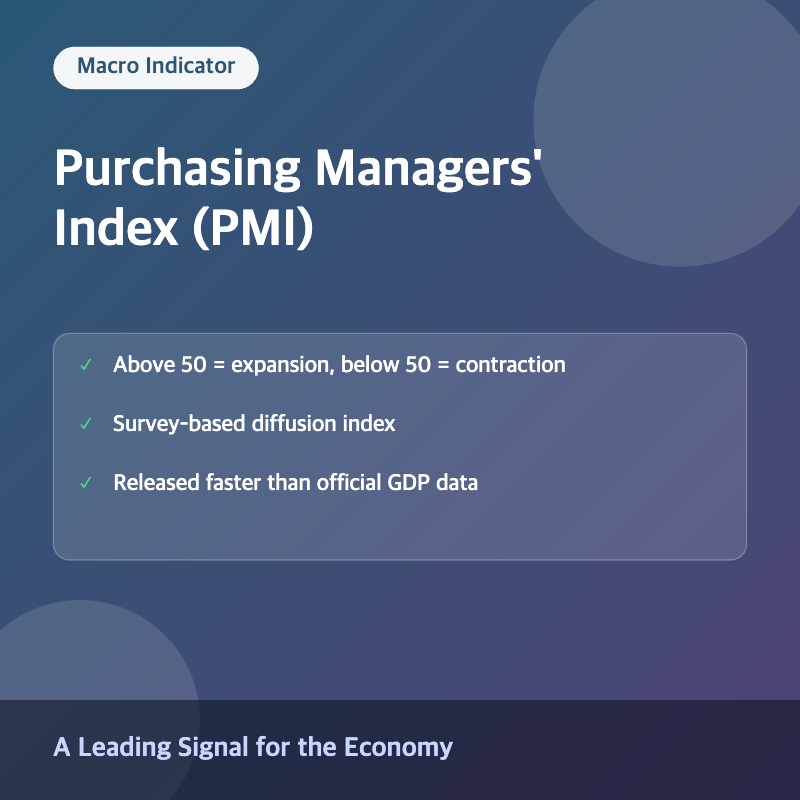
The Purchasing Managers’ Index (PMI) is a monthly economic indicator derived from surveys of private sector companies, typically purchasing managers, that measures the prevailing direction of economic trends in manufacturing and services sectors. First developed in the United States and now compiled by organizations such as S&P Global and the Institute for Supply Management (ISM) in various countries, PMI is widely regarded as one of the most timely leading indicators of economic activity.
How Is PMI Calculated?
The Diffusion Index Method
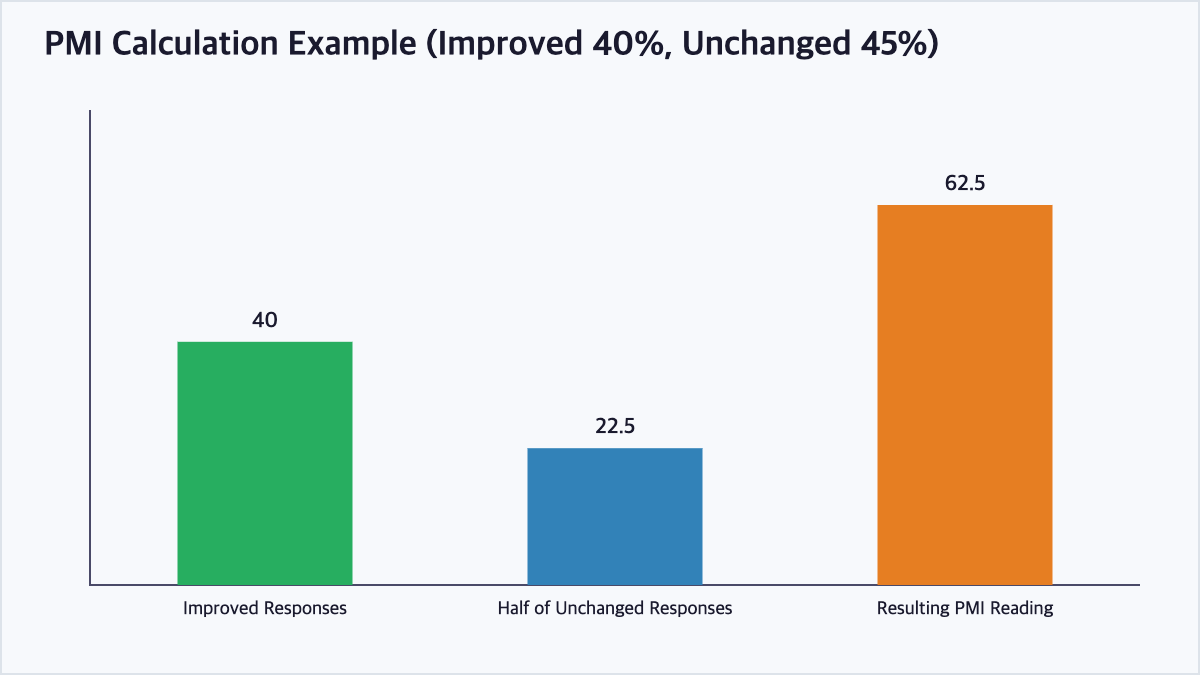
PMI is calculated as a diffusion index based on five key sub-components: new orders, output/production, employment, supplier delivery times, and inventories, each weighted according to a standard formula. Survey respondents indicate whether conditions have improved, stayed the same, or worsened compared to the prior month, and the index combines the percentage of “improved” responses with half the percentage of “unchanged” responses.
For example, suppose a PMI survey shows that 40% of respondents report improved business conditions, 45% report no change, and 15% report worsening conditions. The index would be calculated as 40% + (45% x 0.5) = 40% + 22.5% = 62.5. Since this reading is above 50, it signals that the manufacturing or services sector is expanding compared to the previous month.
The 50 Threshold
A PMI reading above 50 indicates that the sector is generally expanding compared to the previous month, while a reading below 50 indicates contraction. A reading exactly at 50 suggests no overall change in activity levels compared to the prior period.
Why PMI Matters as an Economic Indicator
Because PMI surveys are conducted and released quickly, often before official government statistics such as GDP or industrial production figures become available, PMI is considered a valuable leading indicator that can provide an early signal of economic turning points. Central banks, policymakers, and investors closely watch PMI readings to gauge the health of manufacturing and services activity in near real time.
Manufacturing PMI vs. Services PMI
| Aspect | Manufacturing PMI | Services PMI |
|---|---|---|
| Sector Covered | Factories, industrial production | Retail, finance, hospitality, and other service industries |
| Typical Release Timing | Usually released slightly earlier in the month | Usually released a few days after manufacturing PMI |
| Economic Weight | Historically significant but a shrinking share of GDP in developed economies | Represents the majority of output in most developed economies |
Frequently Asked Questions
Is PMI based on hard economic data or opinions?
PMI is based on survey responses from purchasing managers about their perception of current business conditions rather than hard, audited economic data. While this makes PMI timely, it also means the index can be influenced by sentiment and may occasionally diverge from actual economic outcomes measured later by official statistics.
How often is PMI released?
PMI is typically released on a monthly basis, with preliminary “flash” estimates sometimes published partway through the month, followed by a final reading shortly after the month ends. This monthly frequency makes PMI one of the most up-to-date indicators available to economists and investors.
Why do investors pay close attention to PMI readings?
Investors watch PMI because unexpected changes in the index, particularly moves across the 50 threshold, can signal shifts in corporate earnings prospects, inflation pressures, and overall economic momentum well before slower-moving official data is released.
Can PMI readings differ significantly between countries?
Yes, PMI readings are compiled separately for individual countries and regions, and levels can vary significantly based on each economy’s specific conditions, trade exposure, and industrial composition. Comparing PMI trends across major economies is a common way analysts assess relative global growth momentum.
Key Takeaways
The Purchasing Managers’ Index is a survey-based diffusion index that signals whether manufacturing or services activity is expanding (above 50) or contracting (below 50) compared to the prior month. Because it is released quickly and ahead of many official economic statistics, PMI serves as a widely watched leading indicator of economic momentum. This article is for informational purposes only and does not constitute investment advice.

QuantPro: AI Finds the Trade Before You Do
From AI-powered chart analysis to real-time market intelligence — everything a serious investor needs, in one platform.
- Automated AI chart analysis with precision trend timing
- Bull Radar: real-time visualization of geopolitical & economic shifts
- Live market-moving news and insights, curated for you
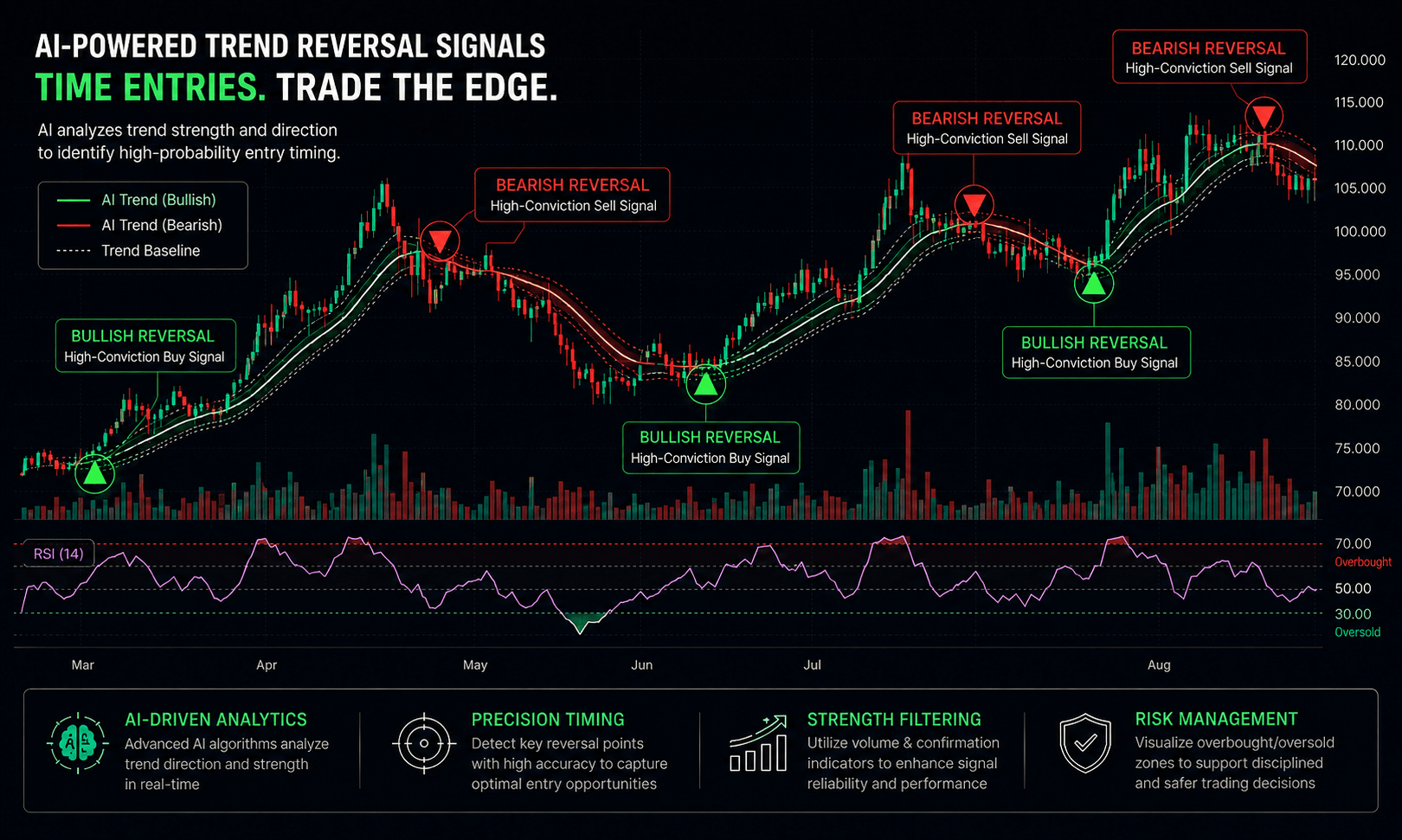
Bull Wave / Bear Wave Forecast Model
Engineered to help you read market direction and momentum faster than the crowd.
- Instantly separate bullish momentum from bearish pressure
- Pinpoint high-probability entry zones with confidence
- Chart signals clear enough for beginners, sharp enough for pros
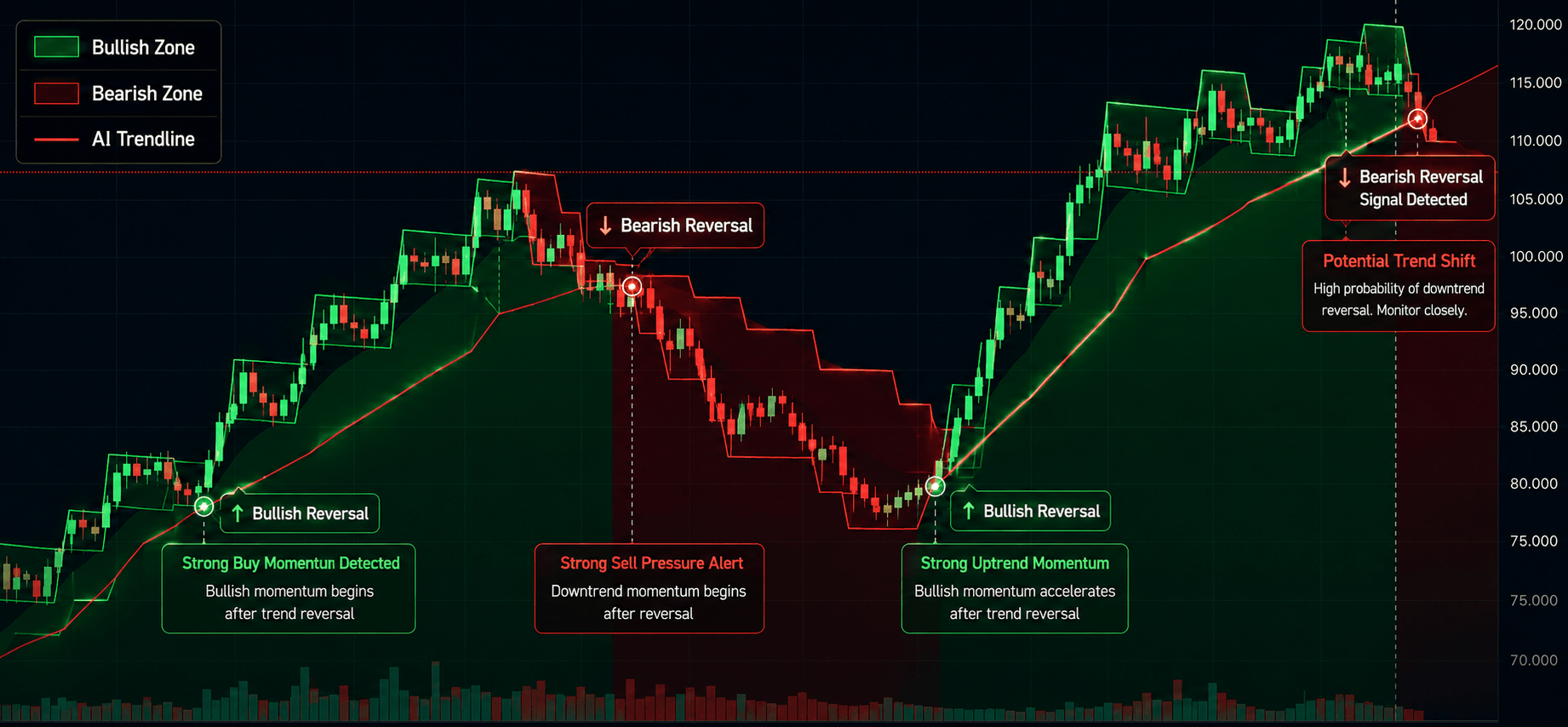
Winning Pattern Detection
Instantly surfaces the high-probability setups that repeat across the charts — a trusted edge for timing your entries and exits.
- Spot momentum building in real time
- Catch trend-reversal points before they break
- Built for active traders who need results, not theory
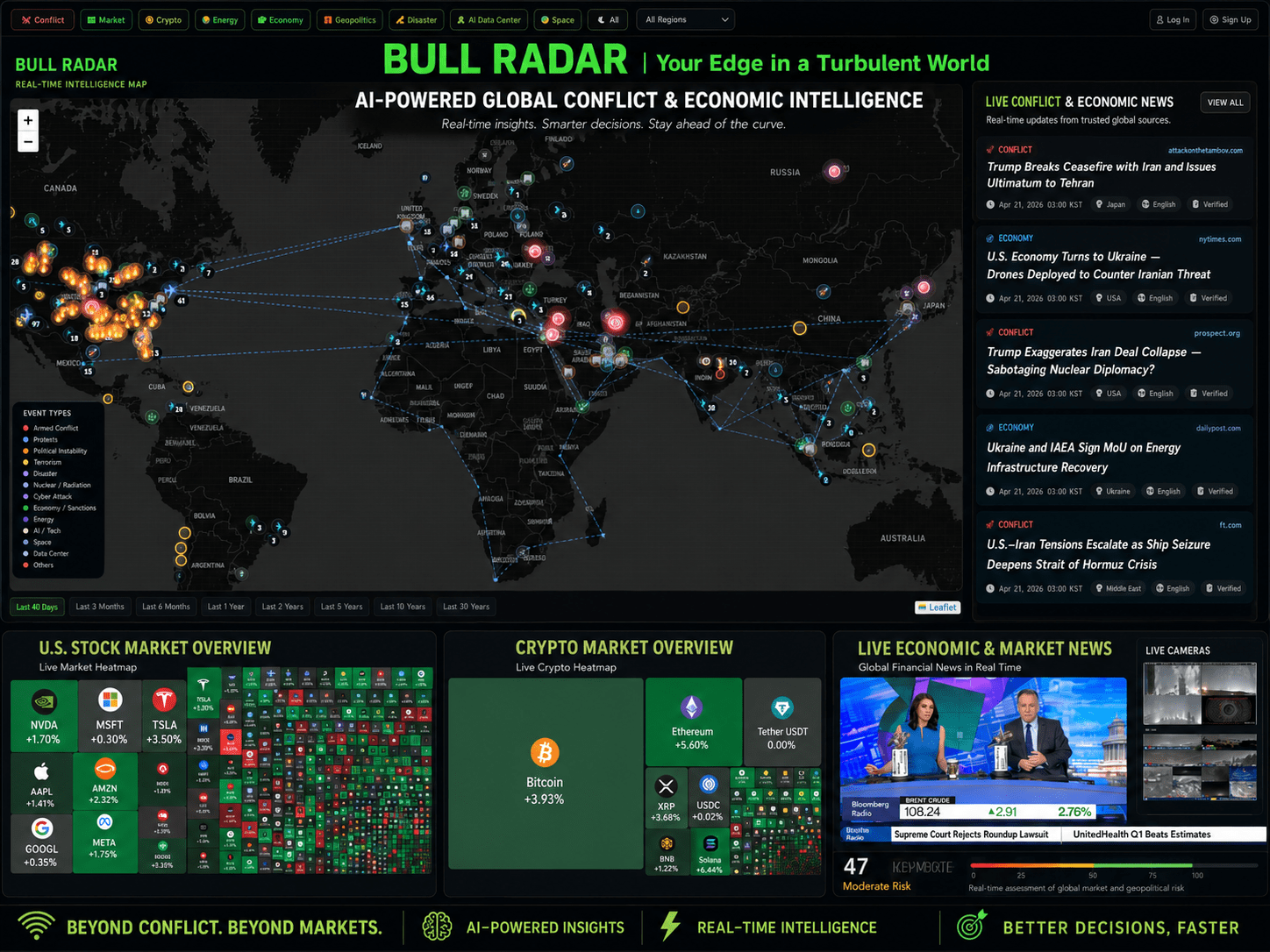
AI Live Economic Dashboard
AI analyzes real-time market data — turning complex, global investment flows into clear insight in seconds.
- Track global stock markets in real time
- See exactly which assets are strong — and which are fading
- Watch how geopolitical events move the markets
About the Author