What Is a REIT?
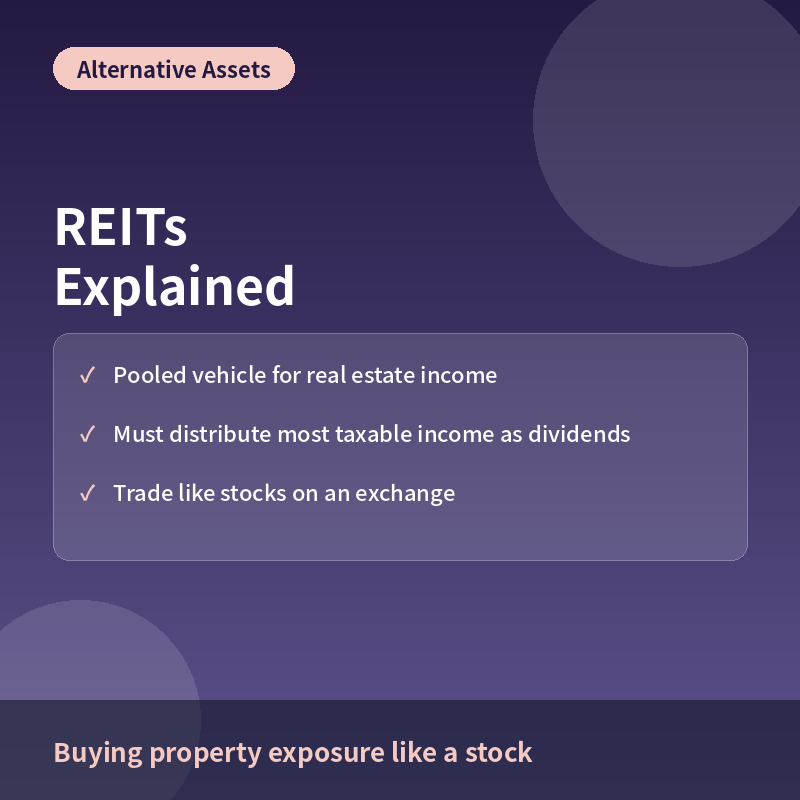
A Real Estate Investment Trust (REIT) pools capital from many investors to own and operate income-producing real estate such as offices, shopping centers, and warehouses, then distributes the rental income and gains to shareholders.
Publicly listed REITs trade on stock exchanges just like regular shares, offering liquidity that direct property ownership typically cannot match.
How REITs Work
To qualify for favorable tax treatment, REITs in most jurisdictions must distribute a very high share of their taxable income as dividends, which structurally results in higher-than-average payout ratios.
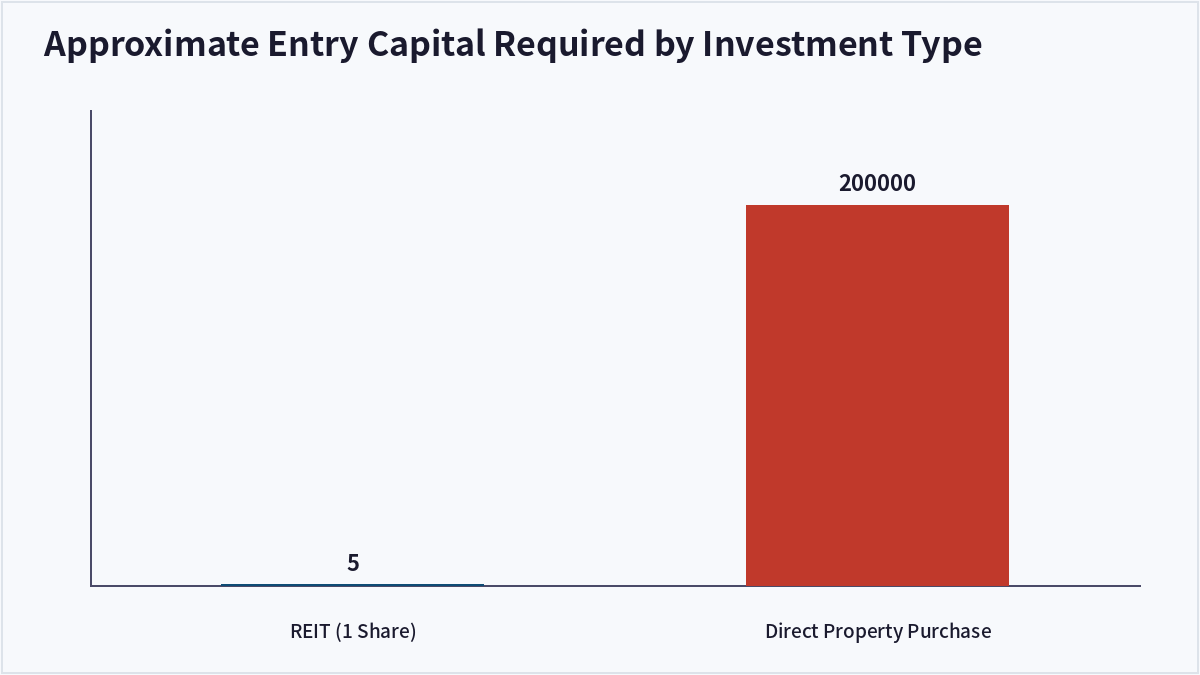
This structure lets investors gain fractional exposure to large commercial properties with a relatively small amount of capital, while also benefiting from diversification across multiple properties within a single fund.
Why It Matters to Investors
The steady, rent-based cash flows make REITs a popular income vehicle, but rising interest rates typically increase borrowing costs and reduce the relative appeal of REIT dividend yields, weighing on share prices.
REITs vs. Direct Property Ownership
Capital requirements, liquidity, and management burden differ substantially between the two approaches.
| Aspect | REITs | Direct Property Investment |
|---|---|---|
| Capital required | Small (single share) | Large (down payment, mortgage) |
| Liquidity | High (traded on exchange) | Low (sale can take months) |
| Management burden | None (professionally managed) | Direct landlord responsibilities |
| Diversification | Automatic across many properties | Concentrated in specific assets |
Frequently Asked Questions
Are REIT dividends guaranteed every year?
No, dividend amounts depend on rental income, occupancy rates, and asset sales, so payouts can fluctuate even though REITs tend to be relatively stable income sources.
How does interest rate policy affect REITs?
Higher rates raise financing costs and make REIT dividend yields relatively less attractive compared to bonds, which tends to pressure REIT share prices.
Can I invest in international real estate through REITs?
Yes, many REITs are listed on exchanges outside your home country, and REIT-focused ETFs offer diversified international exposure as well.
How do REITs differ from real estate mutual funds?
REITs trade continuously on an exchange like stocks, while many real estate funds have limited redemption windows and less frequent pricing.
Key Takeaways
REITs offer a liquid, diversified way to earn real estate income without the capital and management burden of direct ownership, though their sensitivity to interest rates is an important factor to weigh. This article is for informational purposes only and does not constitute investment advice.

QuantPro: AI Finds the Trade Before You Do
From AI-powered chart analysis to real-time market intelligence — everything a serious investor needs, in one platform.
- Automated AI chart analysis with precision trend timing
- Bull Radar: real-time visualization of geopolitical & economic shifts
- Live market-moving news and insights, curated for you

Bull Wave / Bear Wave Forecast Model
Engineered to help you read market direction and momentum faster than the crowd.
- Instantly separate bullish momentum from bearish pressure
- Pinpoint high-probability entry zones with confidence
- Chart signals clear enough for beginners, sharp enough for pros
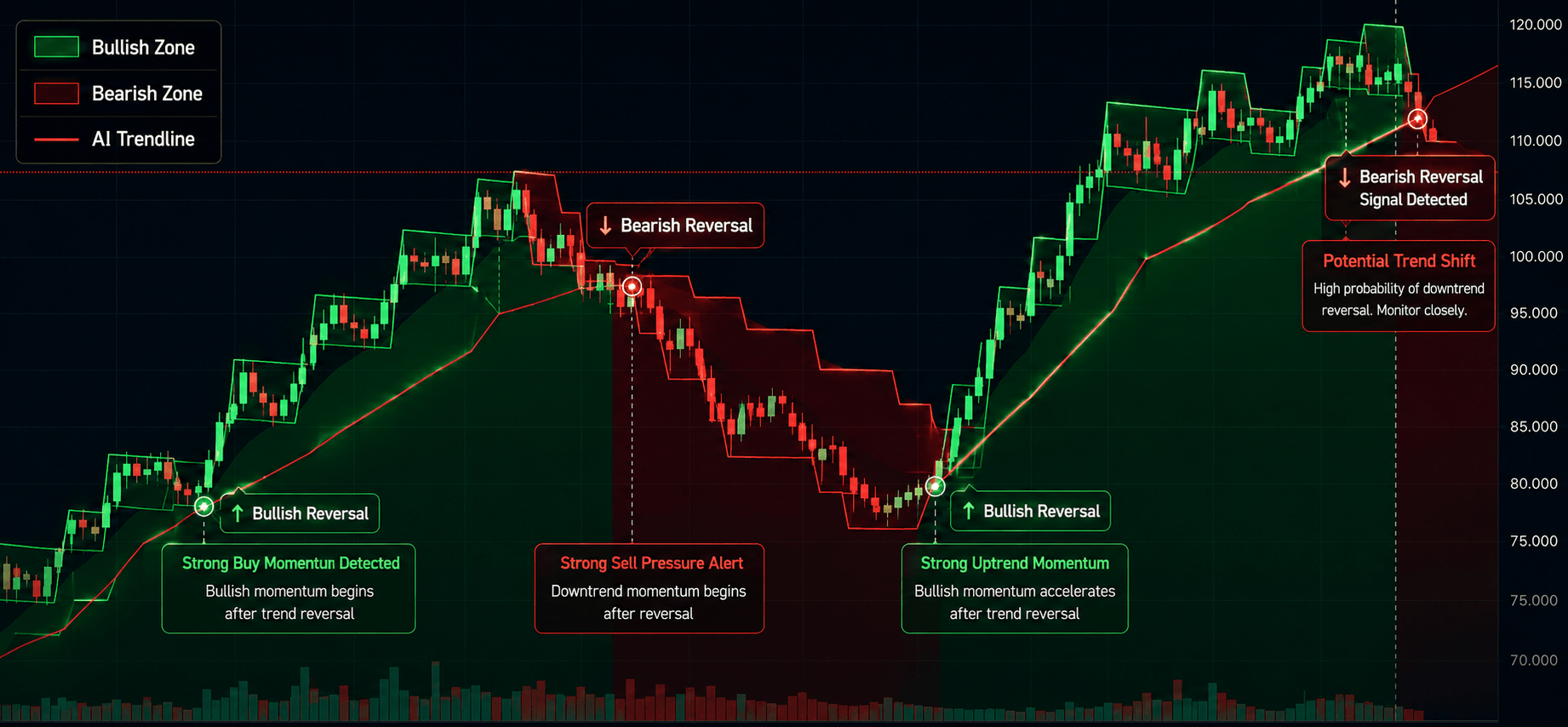
Winning Pattern Detection
Instantly surfaces the high-probability setups that repeat across the charts — a trusted edge for timing your entries and exits.
- Spot momentum building in real time
- Catch trend-reversal points before they break
- Built for active traders who need results, not theory

AI Live Economic Dashboard
AI analyzes real-time market data — turning complex, global investment flows into clear insight in seconds.
- Track global stock markets in real time
- See exactly which assets are strong — and which are fading
- Watch how geopolitical events move the markets
About the Author