What Are the Greeks?
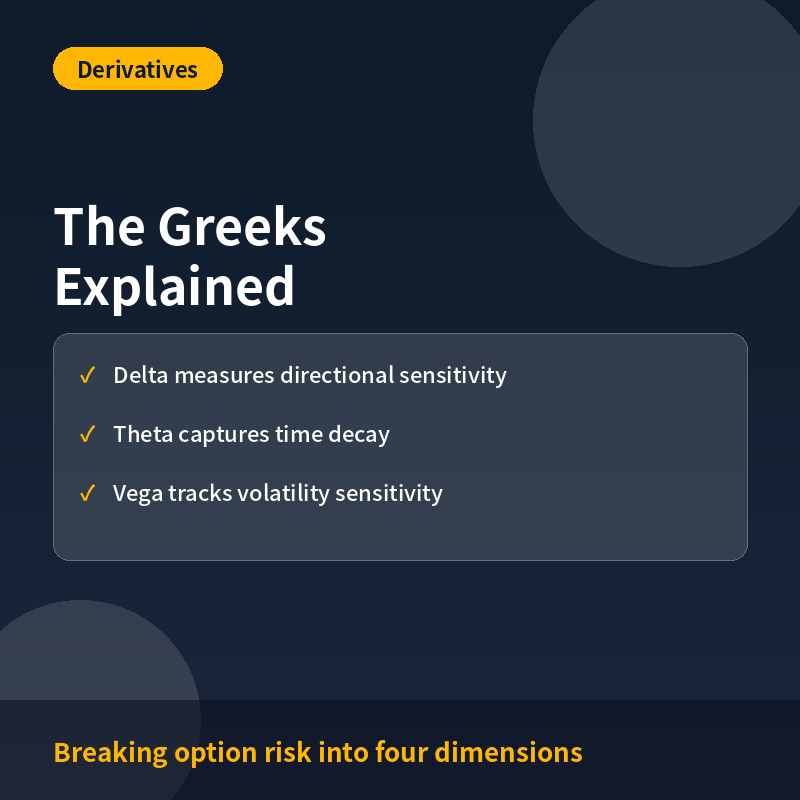
The Greeks are a set of risk measures that show how sensitive an option’s price is to changes in the underlying asset’s price, time, and volatility.
The four most widely used are delta, gamma, theta, and vega, each isolating a different source of risk in an option position.
How Each One Works
Delta shows how much an option’s price moves for a $1 move in the underlying, while gamma shows how quickly delta itself changes as the underlying moves.
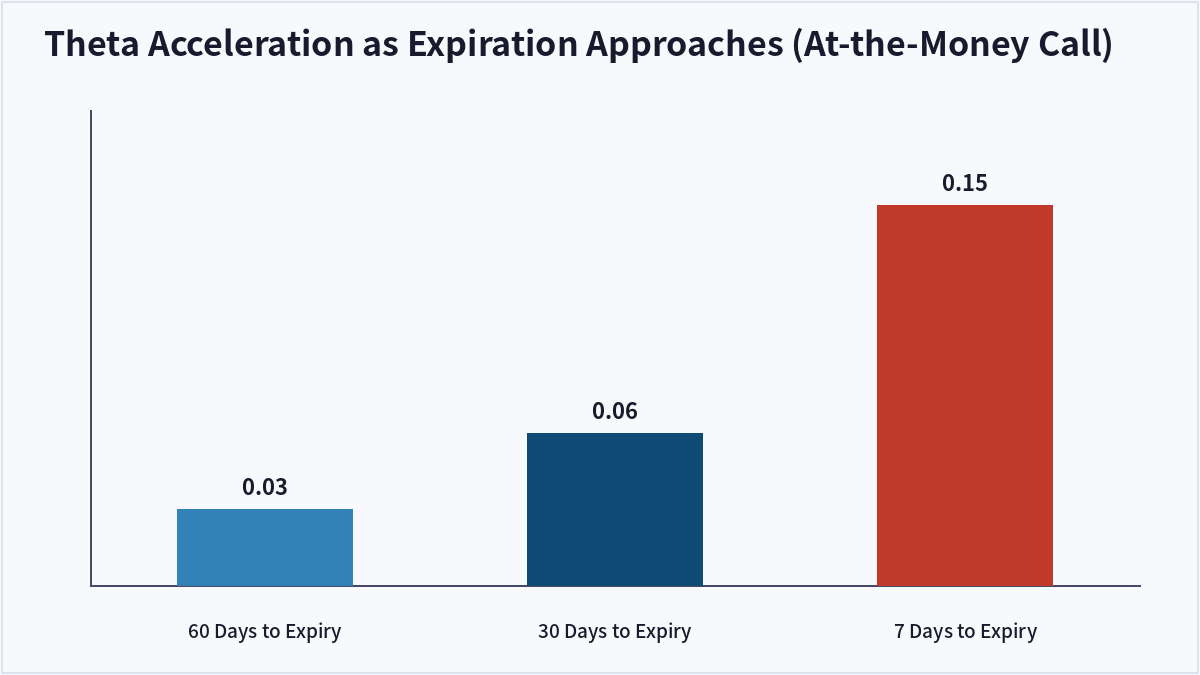
Theta measures how much value an option loses each day purely from the passage of time, while vega measures how much the option’s price changes for a 1 percentage point change in implied volatility.
Why It Matters to Traders
In multi-leg option strategies, the Greeks let traders see at a glance whether a position is primarily exposed to directional risk, time decay, or volatility swings, which is essential for managing complex portfolios.
The Four Greeks at a Glance
Each Greek isolates a distinct risk factor and typically carries a characteristic sign for a long call option.
| Greek | What It Measures | Sign for a Long Call |
|---|---|---|
| Delta | Sensitivity to underlying price changes | Positive, between 0 and 1 |
| Gamma | Rate of change of delta itself | Positive |
| Theta | Value lost per day from time decay | Negative |
| Vega | Sensitivity to implied volatility changes | Positive |
Frequently Asked Questions
What does a delta of 0.5 mean?
It means the option’s price is expected to move about $0.50 for every $1 move in the underlying asset, a level typical of at-the-money options.
Is theta good or bad for option sellers?
Time decay generally favors option sellers, since the premium they collected tends to lose value each day, all else being equal.
Why is high gamma considered risky?
High gamma means delta can change rapidly with small moves in the underlying, causing a position’s directional exposure to shift quickly and require closer monitoring.
Do the Greeks stay constant over time?
No, they recalculate continuously as the underlying price, time to expiration, and implied volatility change, so option positions need ongoing reassessment.
Key Takeaways
The Greeks decompose an option position’s risk into directional, time-decay, and volatility components, making them indispensable tools for managing anything beyond the simplest option trades. This article is for informational purposes only and does not constitute investment advice.

QuantPro: AI Finds the Trade Before You Do
From AI-powered chart analysis to real-time market intelligence — everything a serious investor needs, in one platform.
- Automated AI chart analysis with precision trend timing
- Bull Radar: real-time visualization of geopolitical & economic shifts
- Live market-moving news and insights, curated for you
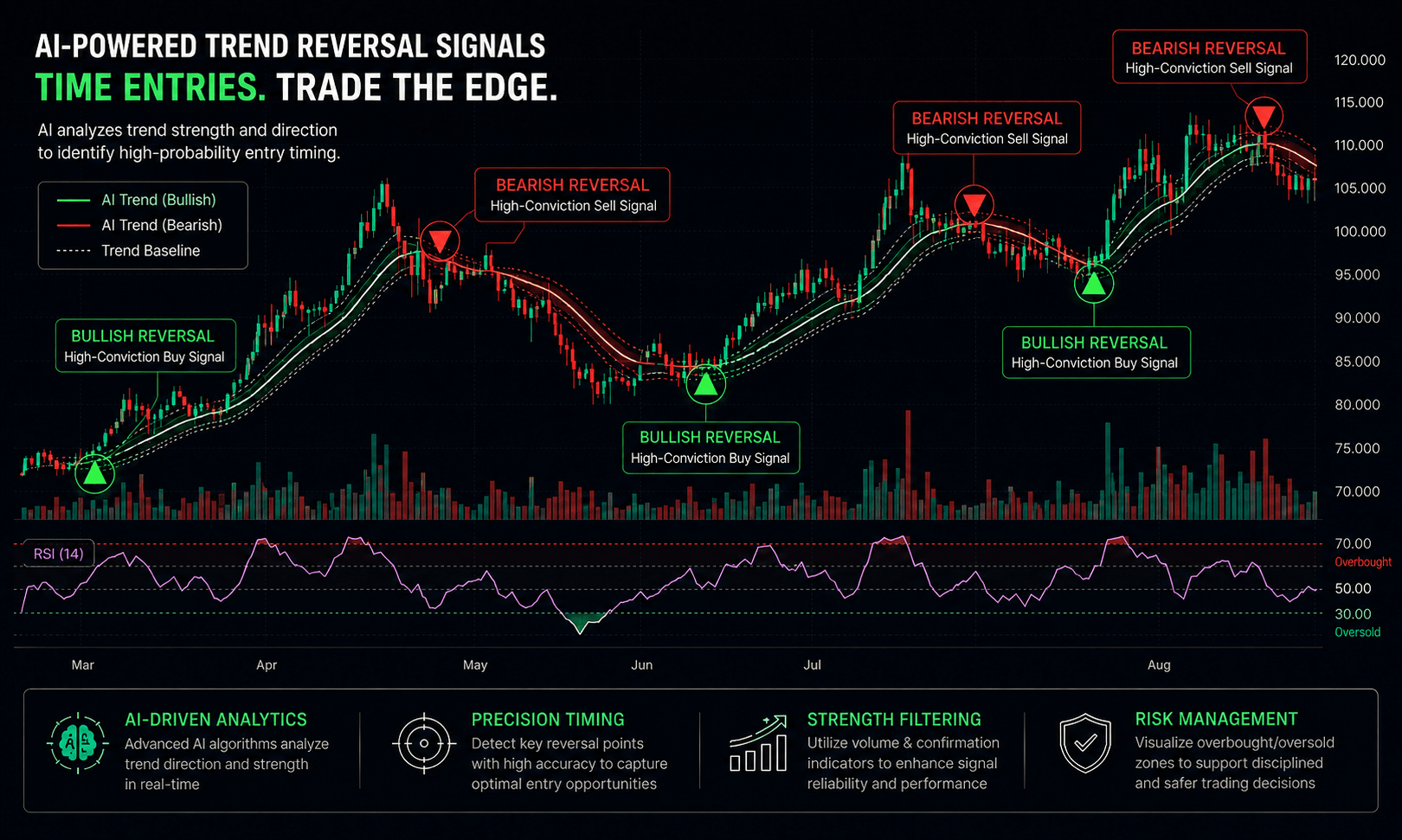
Bull Wave / Bear Wave Forecast Model
Engineered to help you read market direction and momentum faster than the crowd.
- Instantly separate bullish momentum from bearish pressure
- Pinpoint high-probability entry zones with confidence
- Chart signals clear enough for beginners, sharp enough for pros
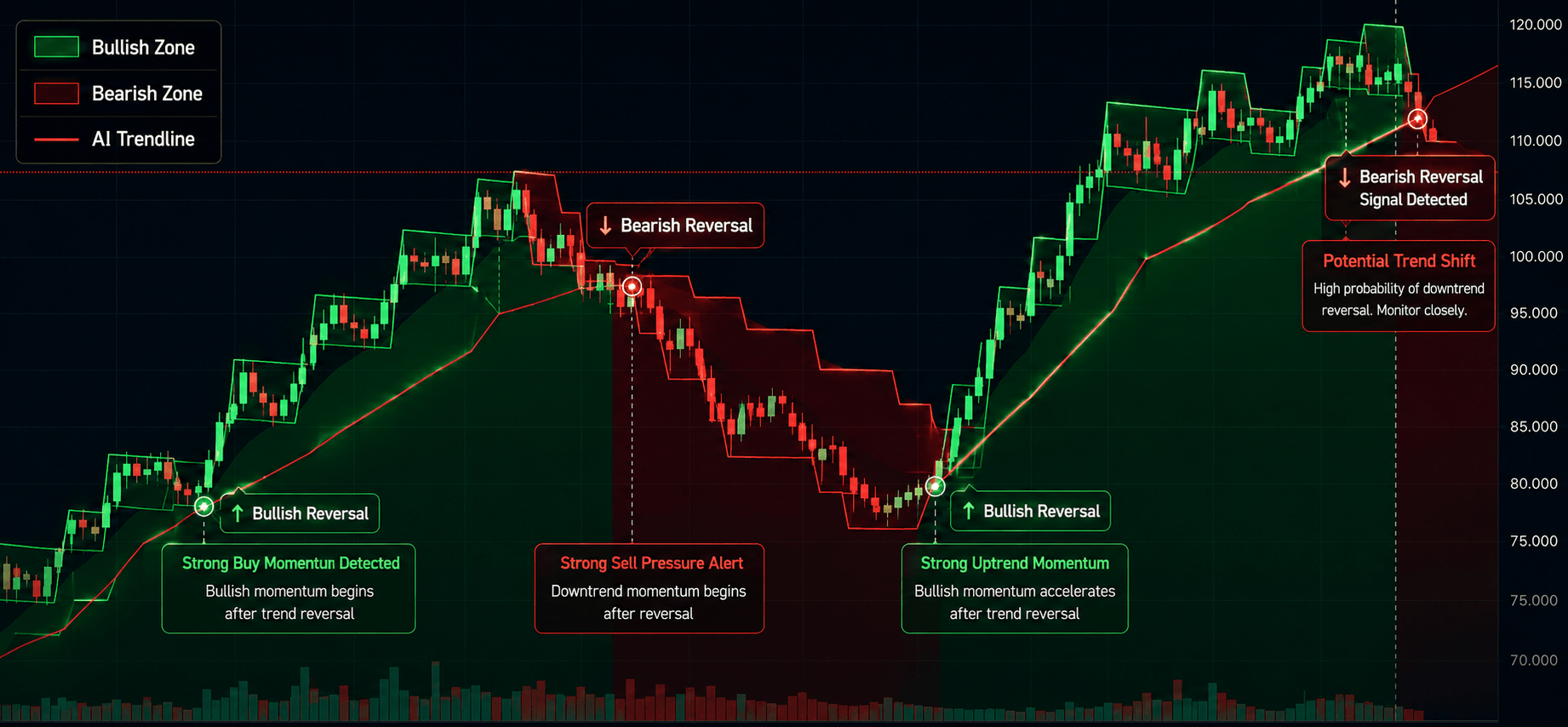
Winning Pattern Detection
Instantly surfaces the high-probability setups that repeat across the charts — a trusted edge for timing your entries and exits.
- Spot momentum building in real time
- Catch trend-reversal points before they break
- Built for active traders who need results, not theory
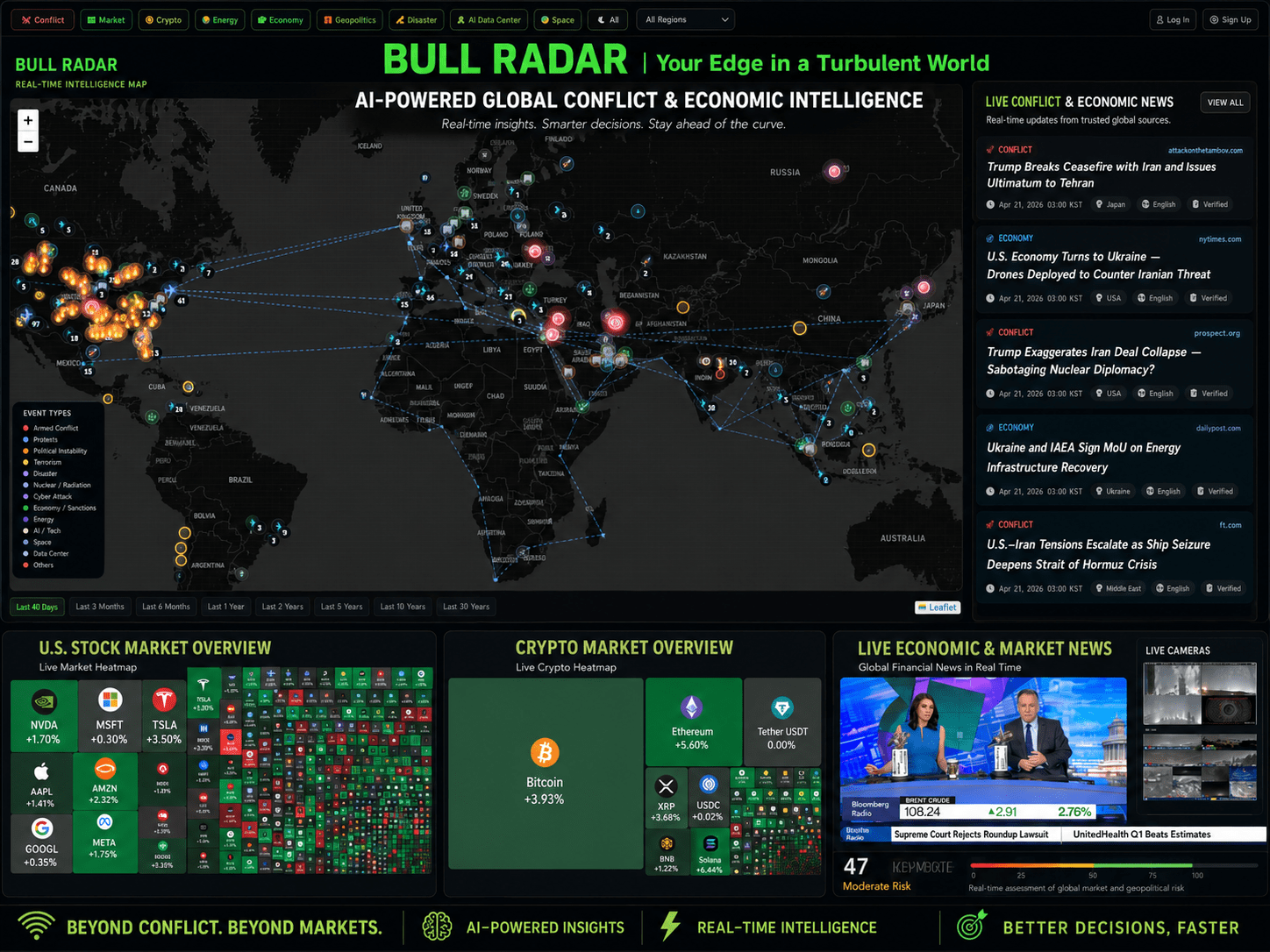
AI Live Economic Dashboard
AI analyzes real-time market data — turning complex, global investment flows into clear insight in seconds.
- Track global stock markets in real time
- See exactly which assets are strong — and which are fading
- Watch how geopolitical events move the markets
About the Author