What Is Triple Witching Day?
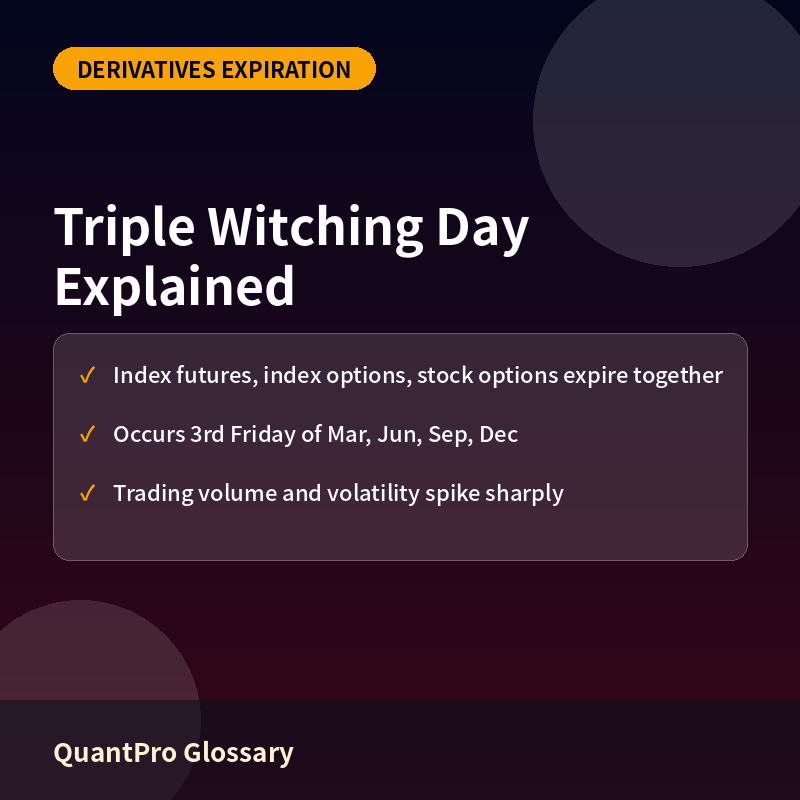
Triple Witching Day refers to a date when three types of derivatives contracts — stock index futures, stock index options, and individual stock options — all expire simultaneously. In U.S. markets, this occurs on the third Friday of March, June, September, and December, each quarter.
Why Expirations Align
The Quarterly Cycle
Index futures, index options, and individual stock options each follow their own standardized expiration schedules, and by design these schedules converge on the same third Friday each quarter. That means every three months, all three contract types settle or roll over on the exact same trading day, concentrating a large volume of activity into a single session.
The Volume Spike
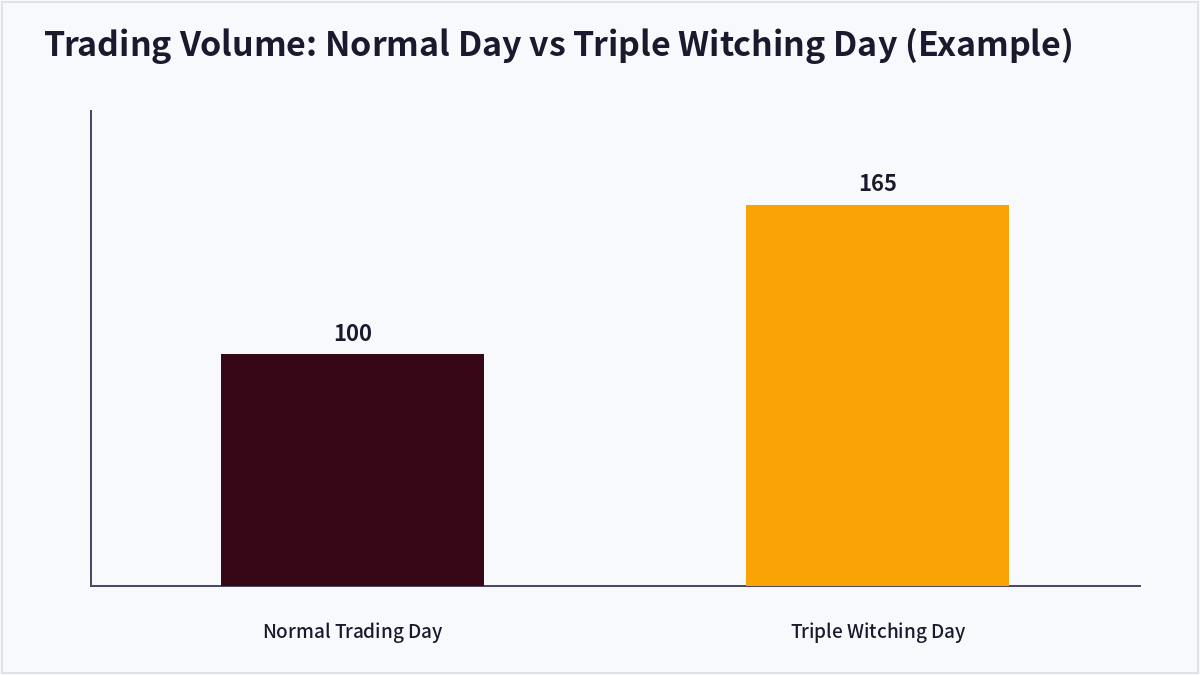
As expiration approaches, institutional investors close out expiring positions or roll them into the next contract cycle, and index-tracking rebalancing trades and program trading also tend to cluster around this date, driving trading volume well above a typical day. The chart below illustrates how sharply volume can jump on a Triple Witching session versus a normal trading day.
Why Triple Witching Day Matters
The concentration of expiring contracts, rollovers, and program trading can push intraday volatility noticeably higher than usual, and price swings are often most pronounced in the closing auction as large orders settle. Short-term traders sometimes build strategies specifically around this heightened volatility, while long-term investors generally benefit from simply not overreacting to the temporary price distortions that can occur.
Triple Witching vs Quadruple Witching
Some markets also see single-stock futures expire on the same day, a scenario referred to as Quadruple Witching.
| Aspect | Triple Witching | Quadruple Witching |
|---|---|---|
| Contracts expiring | Index futures, index options, stock options | Index futures, index options, stock options, single-stock futures |
| Common markets | U.S. (3rd Friday, quarterly) | Markets with listed single-stock futures |
| Volatility impact | Elevated intraday and close volatility | Similarly elevated volatility |
Frequently Asked Questions
Why does volatility spike so much on Triple Witching Day?
The convergence of expiring futures and options positions, rollover trades, and index rebalancing-related program trading all cluster into the same session, pushing trading volume and price volatility above typical levels.
Should long-term investors worry about Triple Witching Day?
Investors with a long time horizon generally don’t need to actively trade around it, but it’s worth being aware that any unusual price moves that day are often driven by expiration mechanics rather than a shift in company fundamentals.
How often does Triple Witching Day occur?
It happens four times a year, on the third Friday of March, June, September, and December, marking the simultaneous quarterly expiration of index futures, index options, and stock options.
What typically happens to the market right after Triple Witching Day?
Volatility often settles down once the expiring positions have been cleared, though the way positions were rolled over can shape how the market’s positioning looks heading into the next expiration cycle.
Key Takeaways
Triple Witching Day is the quarterly convergence of index futures, index options, and stock options expirations, driving sharply elevated trading volume and volatility — a dynamic short-term traders may look to exploit while long-term investors are best served by simply riding it out. This article is for informational purposes only and does not constitute investment advice.

QuantPro: AI Finds the Trade Before You Do
From AI-powered chart analysis to real-time market intelligence — everything a serious investor needs, in one platform.
- Automated AI chart analysis with precision trend timing
- Bull Radar: real-time visualization of geopolitical & economic shifts
- Live market-moving news and insights, curated for you
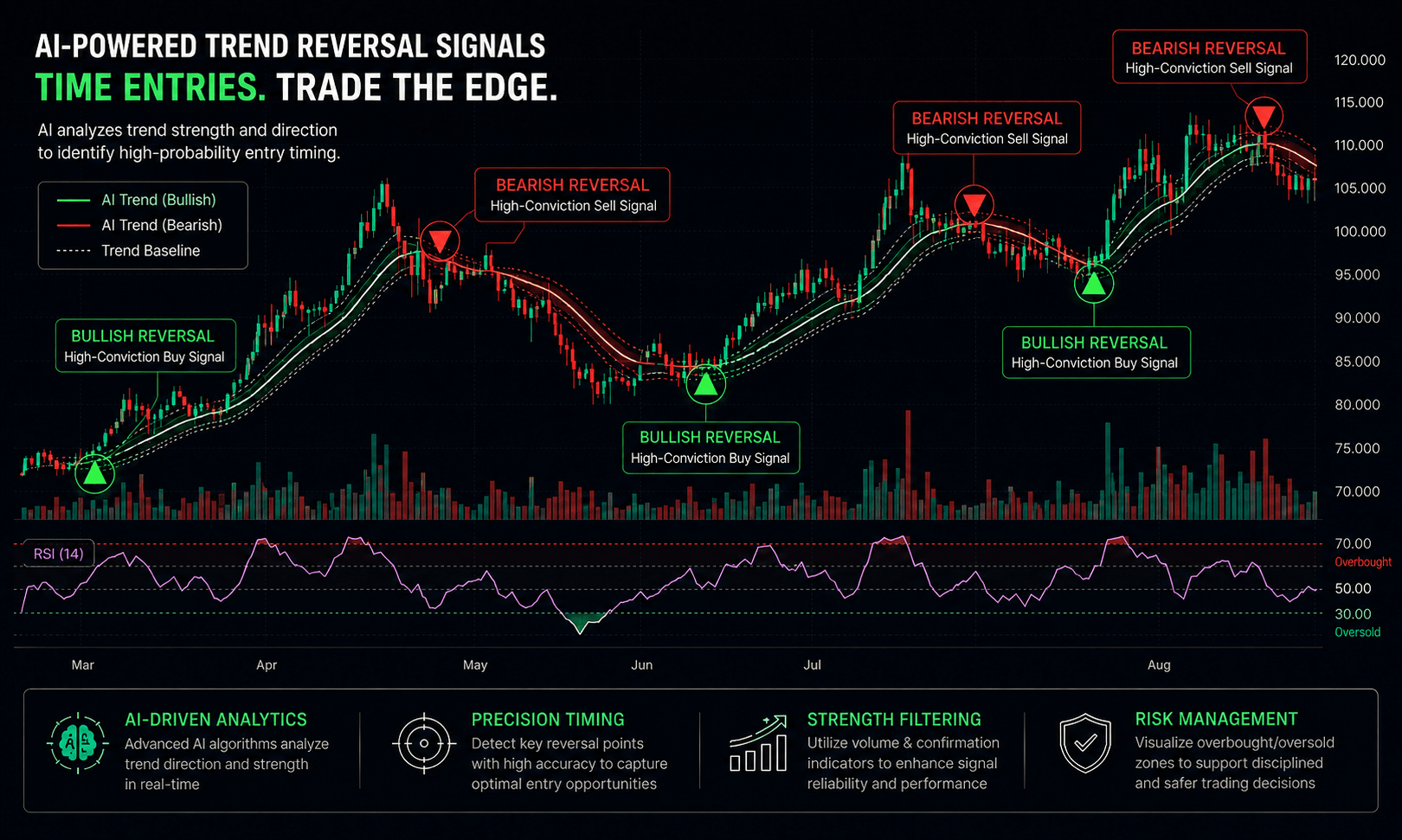
Bull Wave / Bear Wave Forecast Model
Engineered to help you read market direction and momentum faster than the crowd.
- Instantly separate bullish momentum from bearish pressure
- Pinpoint high-probability entry zones with confidence
- Chart signals clear enough for beginners, sharp enough for pros
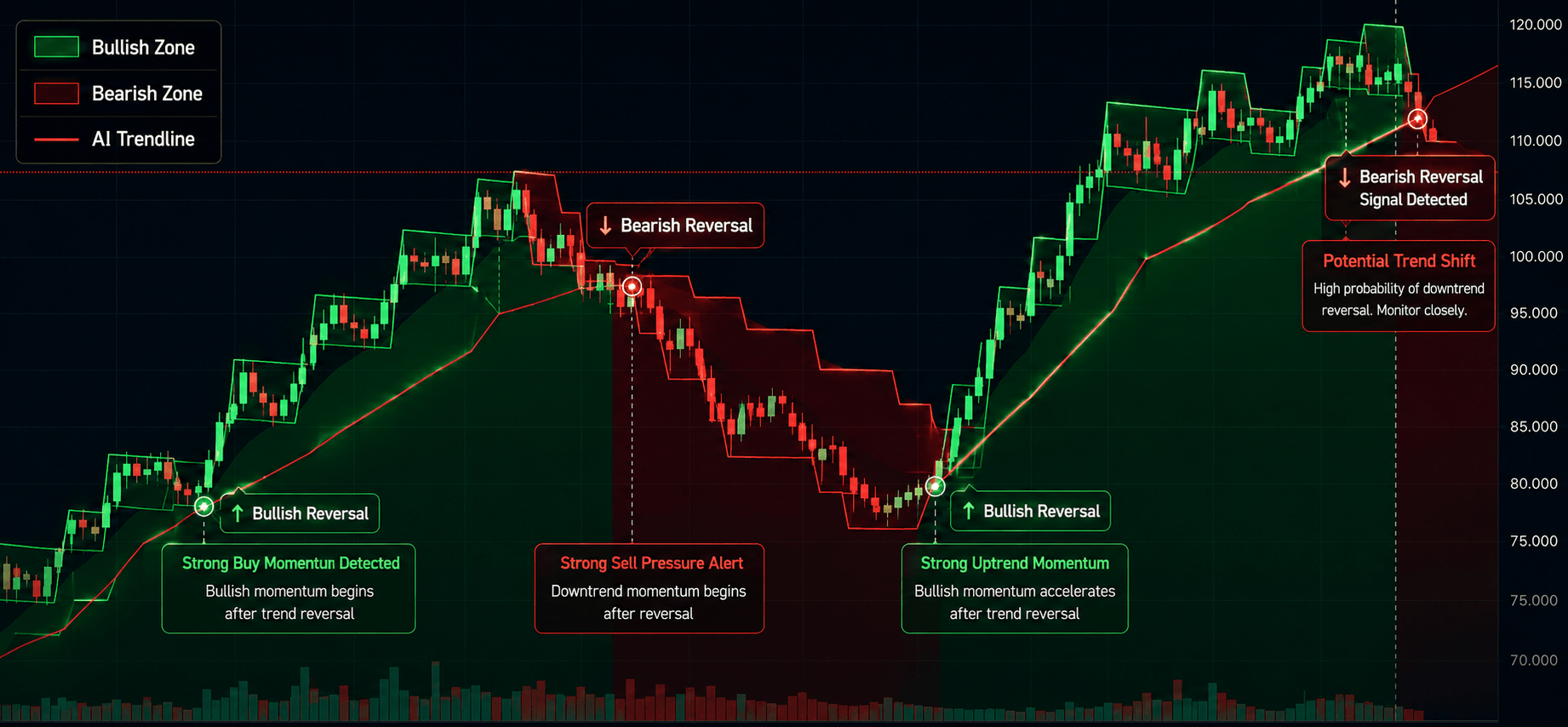
Winning Pattern Detection
Instantly surfaces the high-probability setups that repeat across the charts — a trusted edge for timing your entries and exits.
- Spot momentum building in real time
- Catch trend-reversal points before they break
- Built for active traders who need results, not theory
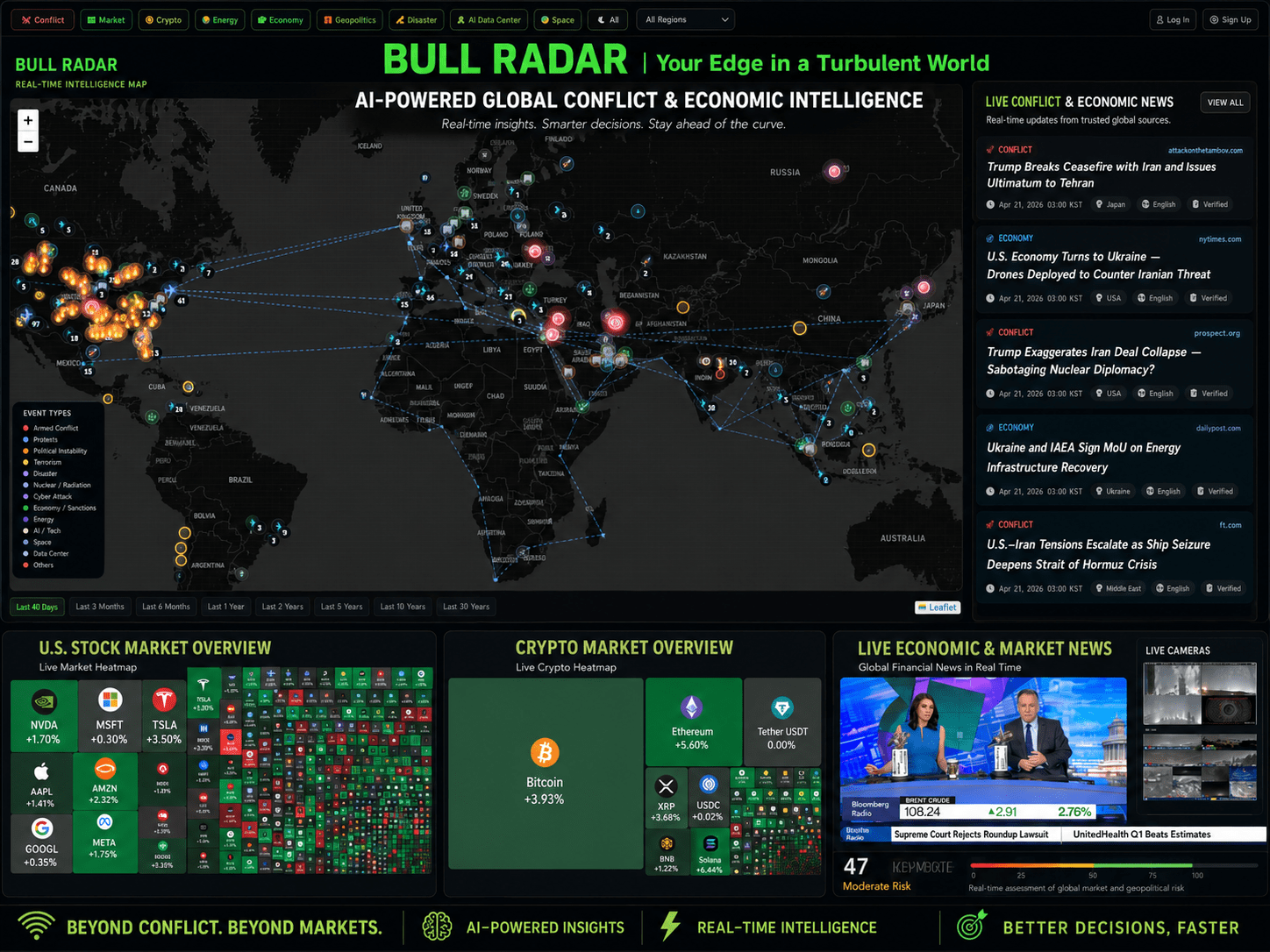
AI Live Economic Dashboard
AI analyzes real-time market data — turning complex, global investment flows into clear insight in seconds.
- Track global stock markets in real time
- See exactly which assets are strong — and which are fading
- Watch how geopolitical events move the markets
About the Author