What Are Equity Warrants?
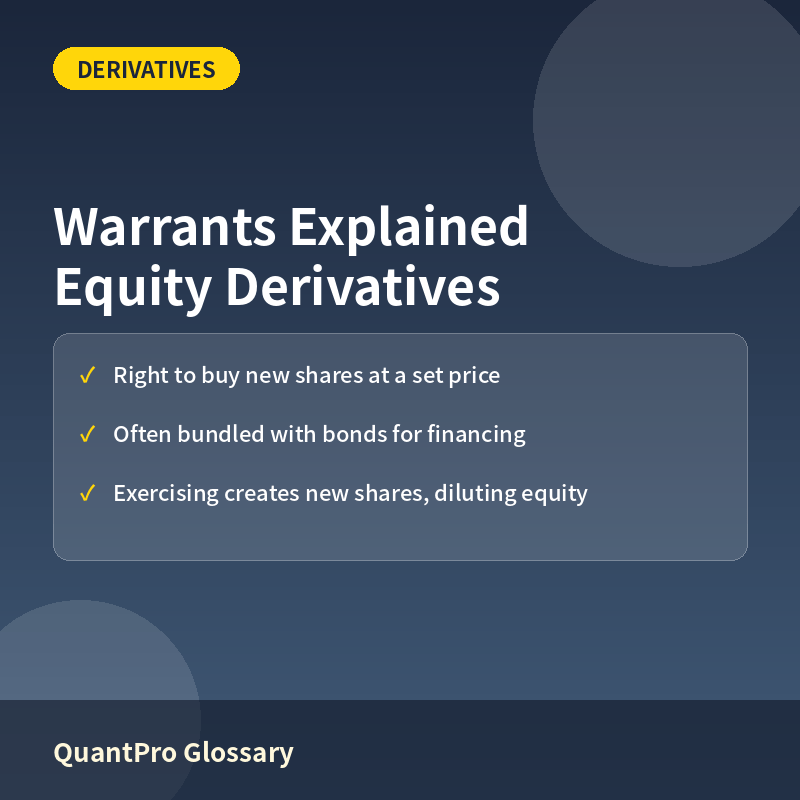
A warrant is a security that gives its holder the right, but not the obligation, to purchase newly issued shares of the issuing company at a predetermined price (the strike price) within a specified time period. Warrants are often attached to bond issuances, creating what’s called a bond with warrants, which companies use as a capital-raising tool.
How Warrants Are Structured and Valued
Detachable vs Non-Detachable Warrants
Detachable warrants can be separated from the bond they were issued with and traded independently on the open market, while non-detachable warrants remain permanently bundled with the bond and can only be exercised or transferred together with it. Detachable warrants sometimes develop an active secondary market of their own.
Intrinsic Value Calculation
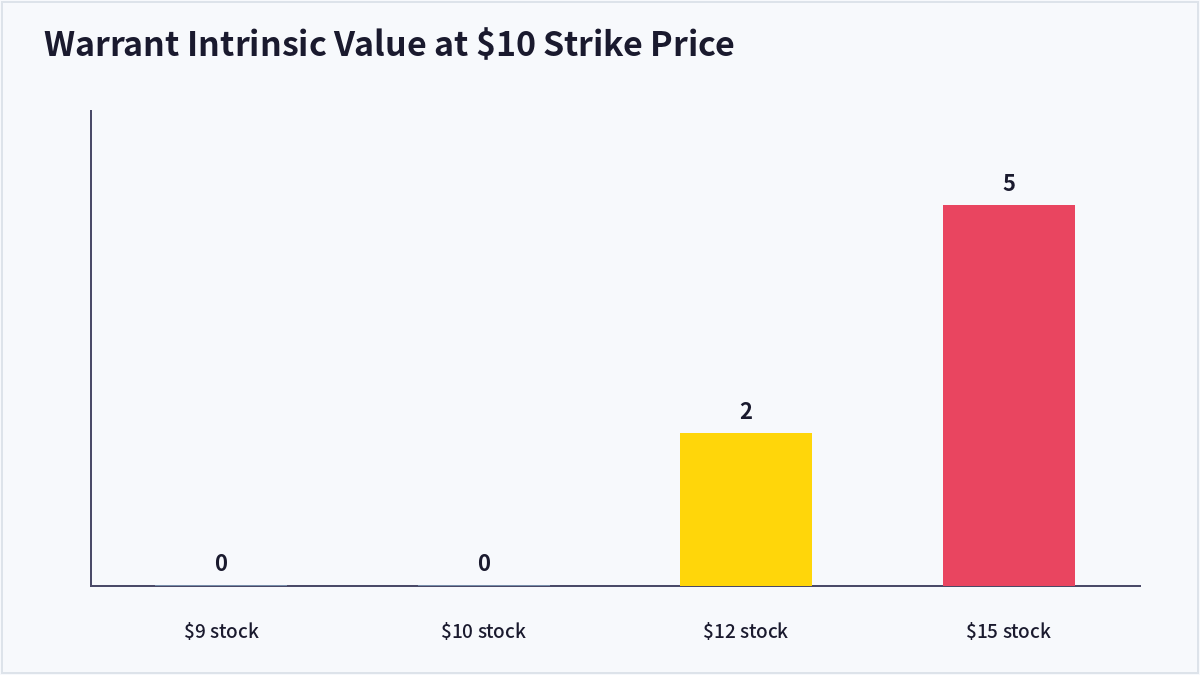
If a warrant carries a strike price of $10 and the underlying stock is trading at $15, holders can buy shares $5 cheaper than the market price, so the warrant’s intrinsic value is $5. If the stock trades below the $10 strike, there’s no reason to exercise, so intrinsic value is simply $0.
Why Warrants Matter
For companies, attaching warrants to a bond issue can lower the interest rate they need to offer, since investors accept a smaller coupon in exchange for potential upside participation. For investors, warrants combine the relatively steady income of a bond with a leveraged bet on the stock’s future price appreciation. The trade-off is dilution: when warrants are exercised, brand-new shares are issued, which reduces existing shareholders’ ownership percentage.
Warrants vs Call Options Comparison
The table below compares warrants with the structurally similar call option.
| Aspect | Warrant | Call Option |
|---|---|---|
| Issuer | The company itself | Exchange/counterparty contract |
| Effect on exercise | New shares issued (dilution) | Existing shares delivered |
| Bundling | Can be attached to bonds | Standalone derivative |
| Primary purpose | Corporate capital raising | Trading and hedging |
Frequently Asked Questions
Why does exercising a warrant dilute existing shareholders?
Because exercising a warrant creates brand-new shares that didn’t exist before, the total share count increases, which means each existing share now represents a slightly smaller percentage of company ownership.
Can I trade a detachable warrant separately from its bond?
Yes, detachable warrants are issued as a separate security from the bond and can be bought and sold independently on the market, unlike non-detachable warrants which stay bundled with the bond.
What happens if a warrant isn’t exercised before it expires?
A warrant becomes worthless and expires unexercised if the holder doesn’t act within the specified exercise window, meaning any potential value is permanently lost.
What factors affect a warrant’s market price beyond intrinsic value?
Beyond the gap between the stock price and strike price, a warrant’s price is also influenced by time remaining until expiration, the underlying stock’s volatility, and prevailing interest rates.
Key Takeaways
Equity warrants give holders the right to buy new shares at a fixed price, offering companies a financing tool and investors leveraged upside potential — but exercising them dilutes existing shareholders, which is an important trade-off to weigh. This article is for informational purposes only and does not constitute investment advice.

QuantPro: AI Finds the Trade Before You Do
From AI-powered chart analysis to real-time market intelligence — everything a serious investor needs, in one platform.
- Automated AI chart analysis with precision trend timing
- Bull Radar: real-time visualization of geopolitical & economic shifts
- Live market-moving news and insights, curated for you
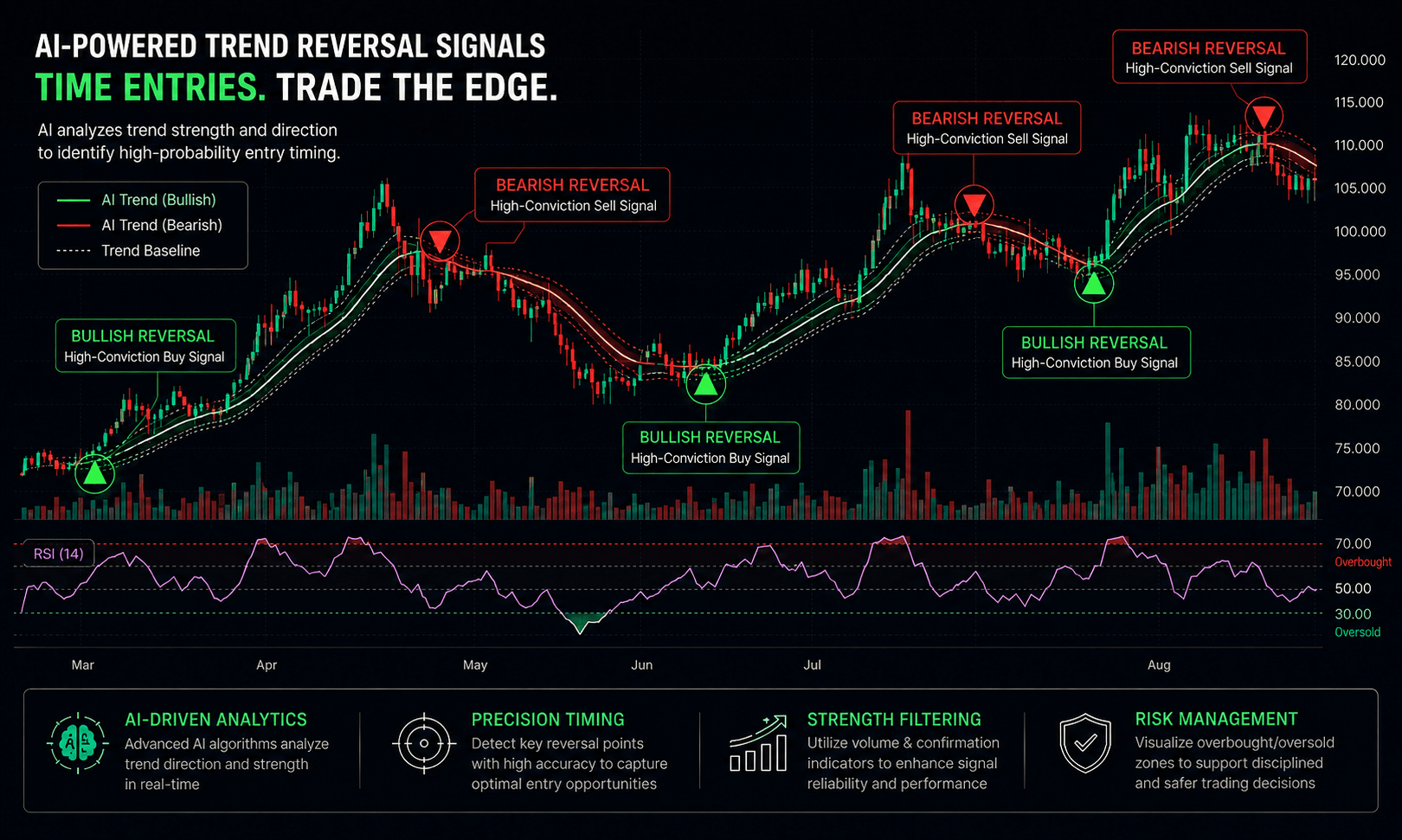
Bull Wave / Bear Wave Forecast Model
Engineered to help you read market direction and momentum faster than the crowd.
- Instantly separate bullish momentum from bearish pressure
- Pinpoint high-probability entry zones with confidence
- Chart signals clear enough for beginners, sharp enough for pros
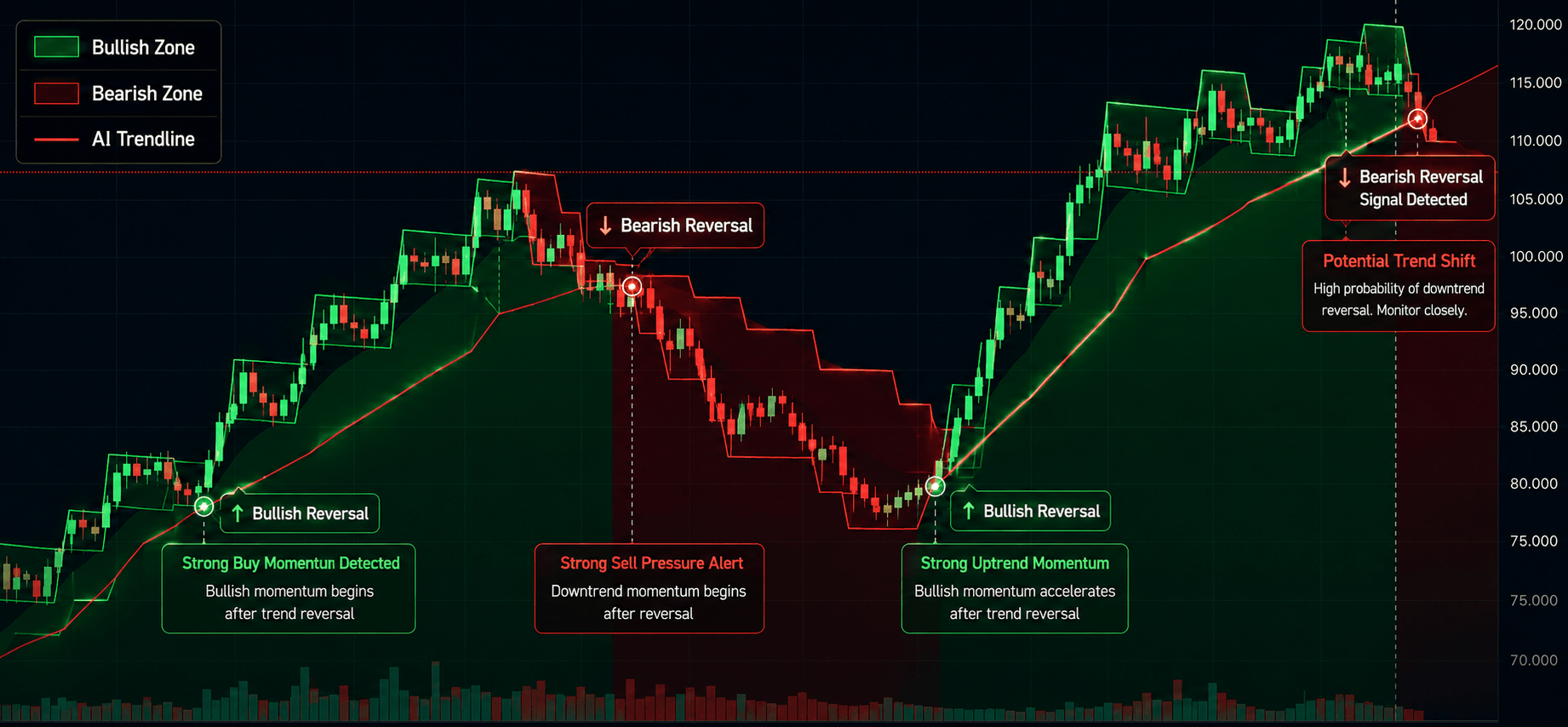
Winning Pattern Detection
Instantly surfaces the high-probability setups that repeat across the charts — a trusted edge for timing your entries and exits.
- Spot momentum building in real time
- Catch trend-reversal points before they break
- Built for active traders who need results, not theory
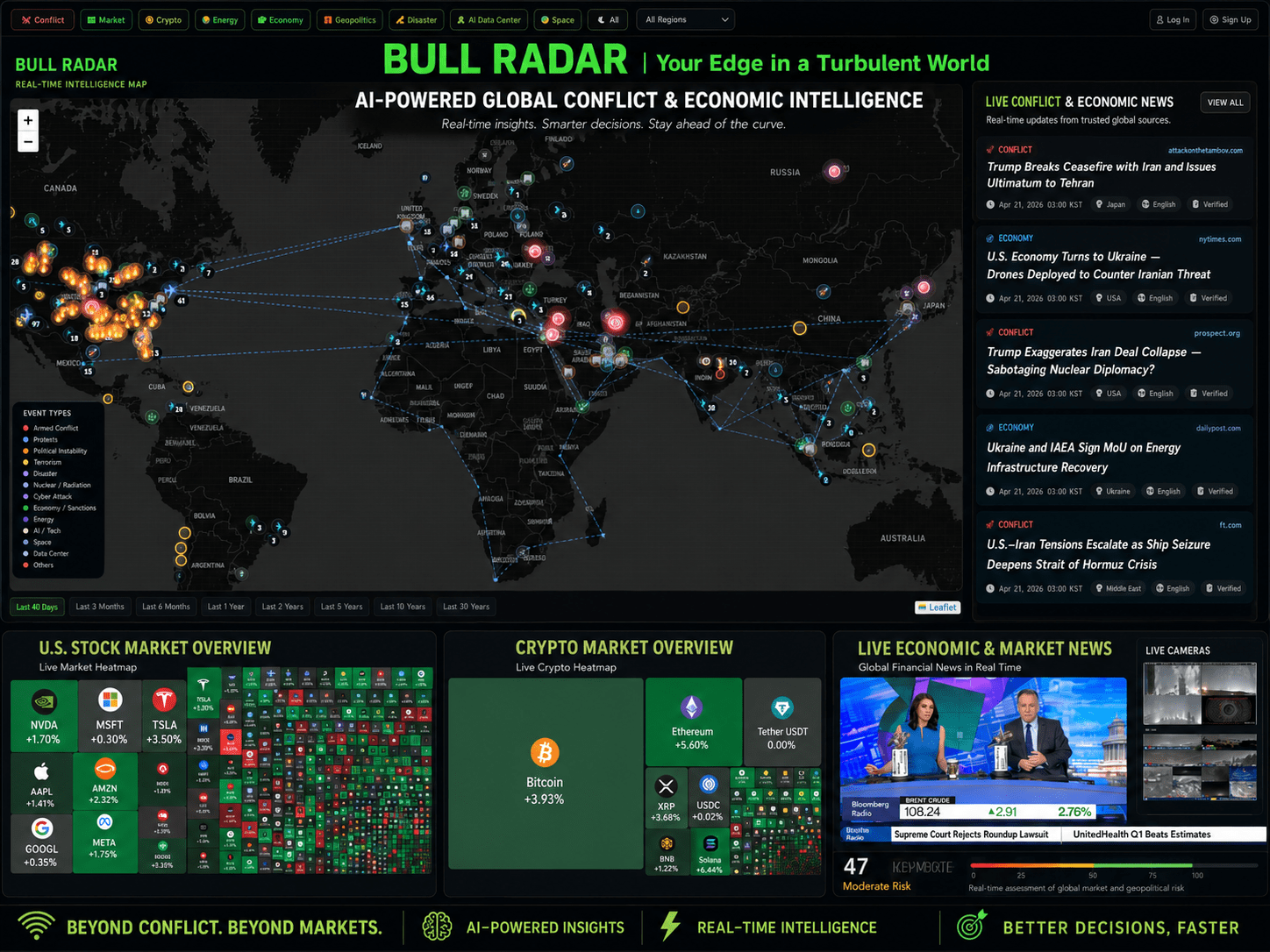
AI Live Economic Dashboard
AI analyzes real-time market data — turning complex, global investment flows into clear insight in seconds.
- Track global stock markets in real time
- See exactly which assets are strong — and which are fading
- Watch how geopolitical events move the markets
About the Author