What Dollar-Cost Averaging Means
Definition of Dollar-Cost Averaging
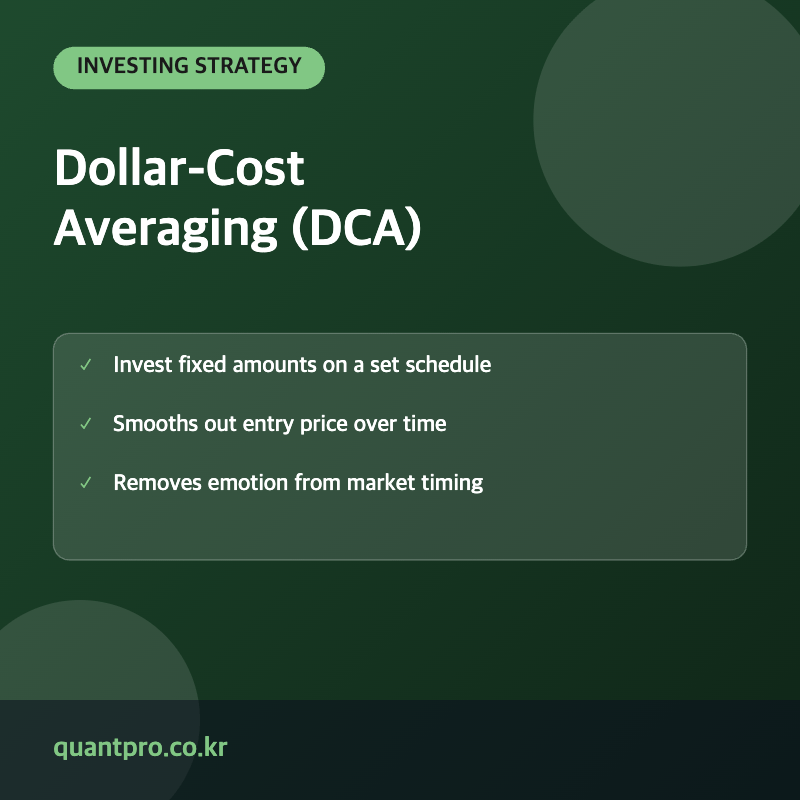
Dollar-Cost Averaging (DCA) is an investment strategy in which an investor commits a fixed dollar amount to a specific asset at regular intervals, such as monthly or biweekly, regardless of the asset’s price at each purchase. For example, investing $500 into an index fund on the first of every month means buying more shares when the price is low and fewer shares when the price is high, which over time produces an average purchase cost that smooths out short-term volatility. This approach contrasts with lump-sum investing, where the entire amount is deployed at once.
Why DCA Smooths Out Volatility
Because a fixed dollar amount buys more shares when prices fall and fewer shares when prices rise, DCA mathematically results in a lower average cost per share than the simple average of the purchase prices, as long as prices fluctuate over the investment period. This mechanical effect is why DCA is often recommended for investors who want to build a position gradually without needing to predict short-term market movements, since the strategy removes the pressure of trying to identify the single best entry point.
DCA vs. Lump-Sum Investing
| Factor | Dollar-Cost Averaging | Lump-Sum Investing |
|---|---|---|
| Timing risk | Spread across multiple entry points | Concentrated at a single entry point |
| Emotional discipline | Easier to maintain, automated | Requires conviction at one moment |
| Historical average return | Often slightly lower in rising markets | Historically higher in rising markets, per various studies |
| Best suited for | Regular income investors, risk-averse entry | Investors with a large sum and long horizon |
Applying DCA in Practice
Who Benefits Most From DCA
DCA is particularly well suited to investors contributing from regular income, such as through automatic payroll deductions into a retirement account, since it naturally aligns investment timing with cash flow rather than requiring a large sum upfront. It is also commonly used by investors who have a lump sum but feel uncertain about entering the market all at once, allowing them to reduce the psychological impact of a potential downturn immediately after investing.
What DCA Does Not Guarantee
Dollar-cost averaging reduces the risk of poor timing at a single point but does not guarantee a profit or protect against losses in a sustained downtrend, since the strategy still fully participates in the market’s overall direction over the long run. Multiple academic studies have found that lump-sum investing has historically outperformed DCA in markets that trend upward over time, simply because more money is invested earlier and has more time to compound, so the choice between the two involves a tradeoff between historical expected return and short-term psychological comfort.
Frequently Asked Questions
Is DCA better than lump-sum investing?
Neither is universally better. Lump-sum investing has historically produced higher average returns in markets that trend upward over time, while DCA can reduce the emotional and financial impact of investing right before a downturn, making the better choice dependent on individual risk tolerance and circumstances.
How often should DCA purchases be made?
Common intervals include weekly, biweekly, and monthly, often aligned with an investor’s paycheck schedule, though the specific frequency has less impact on outcomes than maintaining consistency over a long period.
Can DCA be automated?
Yes, many brokerages and retirement accounts allow automatic recurring purchases to be set up, which removes the need for manual intervention and helps investors stick to the strategy without being influenced by short-term market news.
Does DCA work for all asset types?
DCA can be applied to any asset with a liquid market and available price data, including stocks, ETFs, index funds, and cryptocurrencies, though its effectiveness depends on the asset’s long-term price trend and volatility characteristics.
Key Takeaways
Dollar-cost averaging involves investing a fixed amount at regular intervals to smooth out purchase price over time and reduce the emotional burden of market timing, making it a popular strategy for investors contributing from regular income. While historical data suggests lump-sum investing often produces higher average returns in rising markets, DCA remains a practical and disciplined approach for many investors, particularly when psychological comfort and cash flow timing are priorities. This article is for informational purposes only and does not constitute investment advice.

QuantPro: AI Finds the Trade Before You Do
From AI-powered chart analysis to real-time market intelligence — everything a serious investor needs, in one platform.
- Automated AI chart analysis with precision trend timing
- Bull Radar: real-time visualization of geopolitical & economic shifts
- Live market-moving news and insights, curated for you
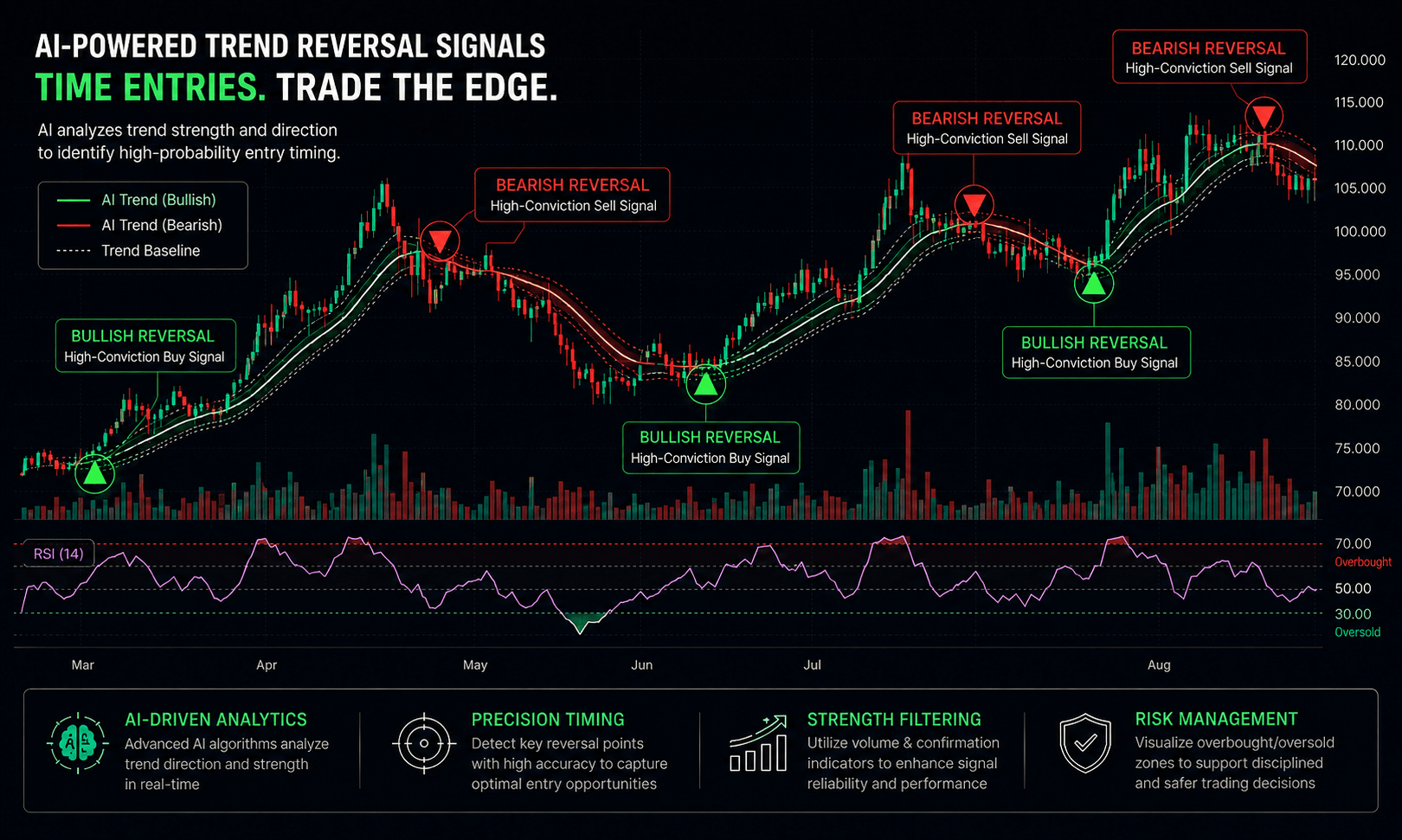
Bull Wave / Bear Wave Forecast Model
Engineered to help you read market direction and momentum faster than the crowd.
- Instantly separate bullish momentum from bearish pressure
- Pinpoint high-probability entry zones with confidence
- Chart signals clear enough for beginners, sharp enough for pros
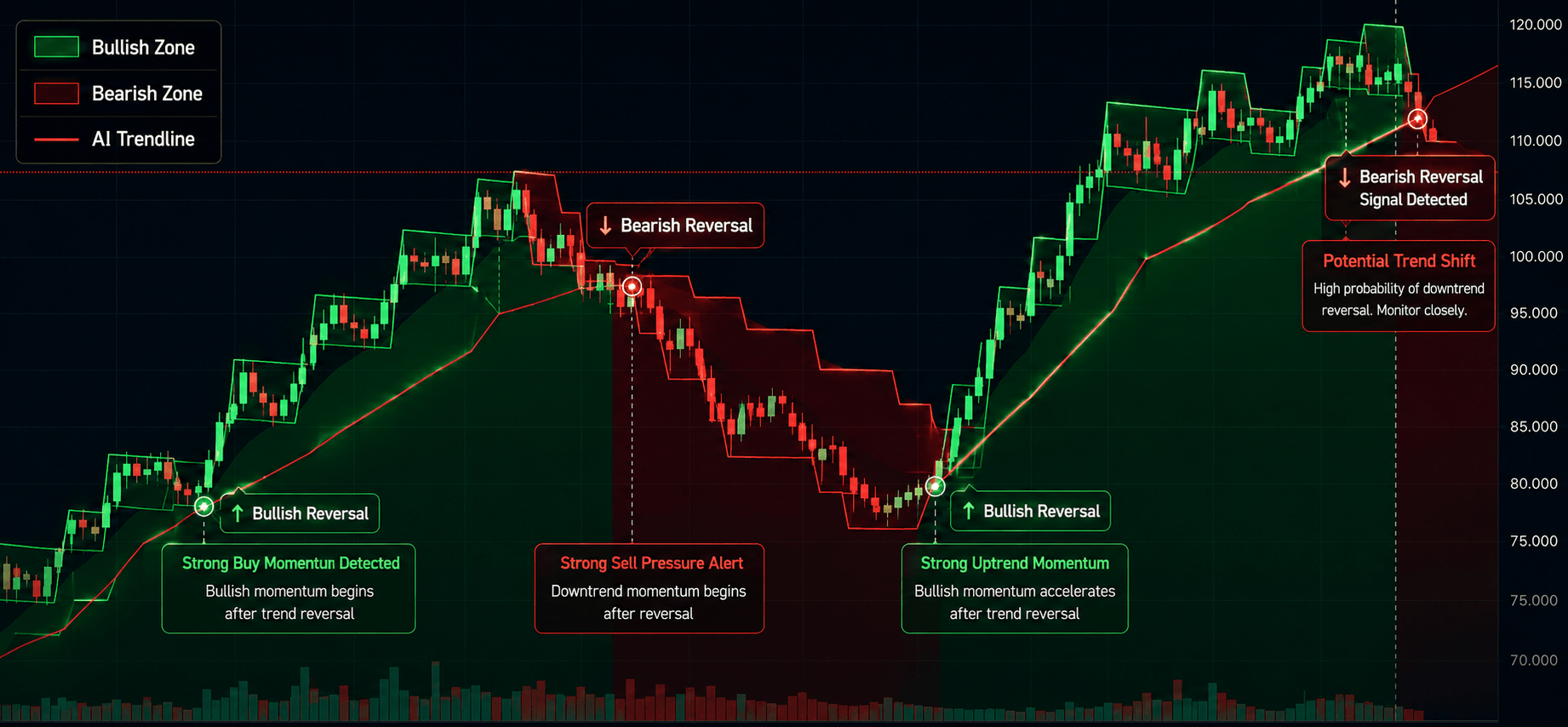
Winning Pattern Detection
Instantly surfaces the high-probability setups that repeat across the charts — a trusted edge for timing your entries and exits.
- Spot momentum building in real time
- Catch trend-reversal points before they break
- Built for active traders who need results, not theory
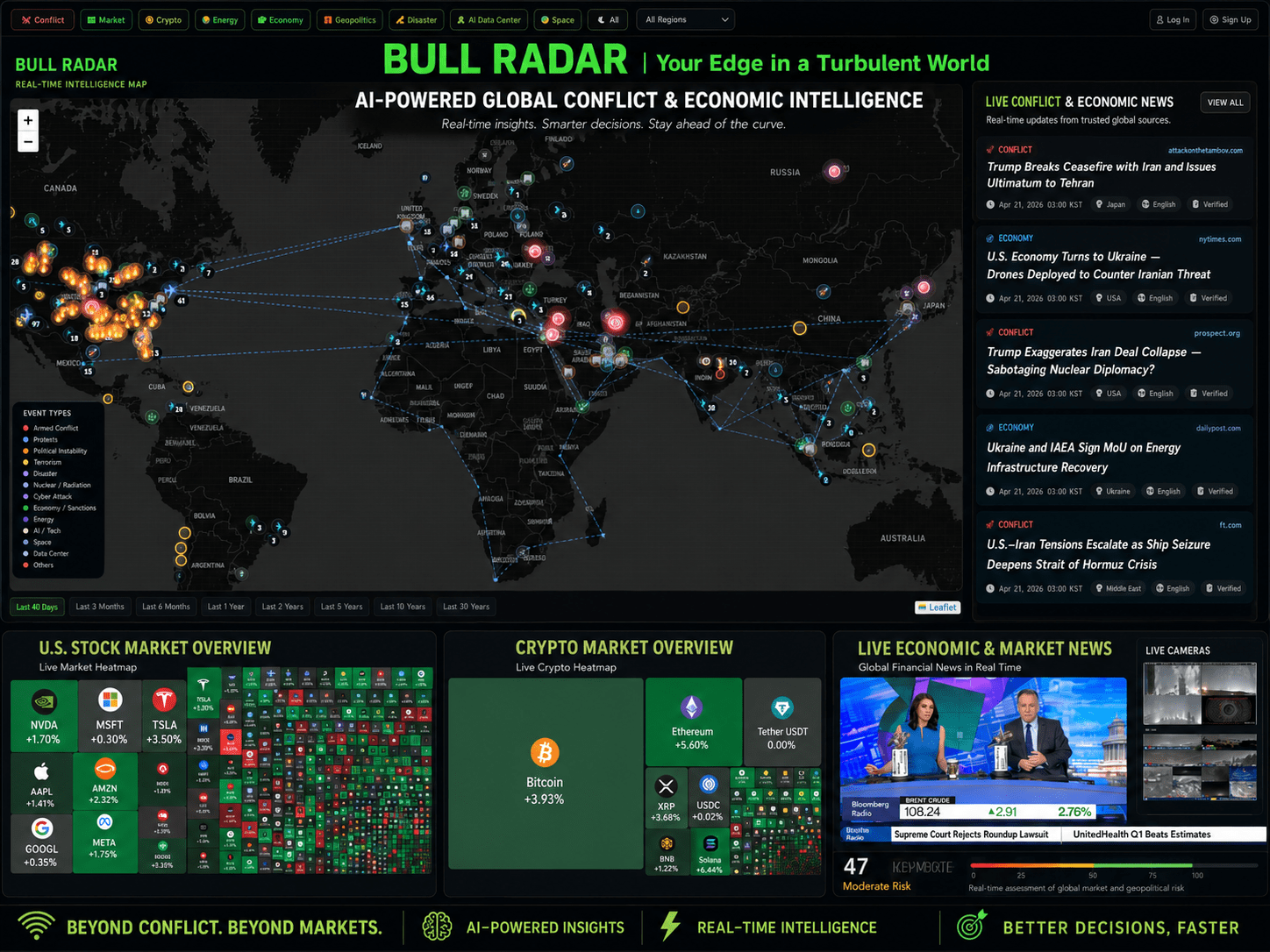
AI Live Economic Dashboard
AI analyzes real-time market data — turning complex, global investment flows into clear insight in seconds.
- Track global stock markets in real time
- See exactly which assets are strong — and which are fading
- Watch how geopolitical events move the markets
About the Author