What Is Working Capital?
Definition of Net Working Capital
Working capital, often referred to as Net Working Capital (NWC), measures a business’s short-term financial health and operational liquidity. It represents the difference between a company’s current assets and its current liabilities. Current assets include cash, short-term investments, accounts receivable, and inventory that are expected to be converted into cash within one year. Current liabilities encompass short-term financial obligations due within twelve months, such as accounts payable, short-term debt, and accrued operating expenses.
Core Components of Working Capital
The core components of working capital reflect daily operational cash flow management. Operating current assets consist primarily of accounts receivable from credit sales to customers and inventory stored for production or sale. Operating current liabilities consist of accounts payable owed to vendors and short-term accrued liabilities like wages and taxes. Balancing these components ensures a company maintains sufficient operational liquidity without leaving productive capital idle.
How Working Capital Is Calculated: Formula and Worked Example
The Net Working Capital Formula
Net Working Capital is calculated using the formula: Net Working Capital = Current Assets – Current Liabilities. In addition to the absolute dollar amount, financial analysts evaluate short-term liquidity using the Working Capital Ratio (Current Ratio), calculated as Current Assets divided by Current Liabilities.
Step-by-Step Numerical Example
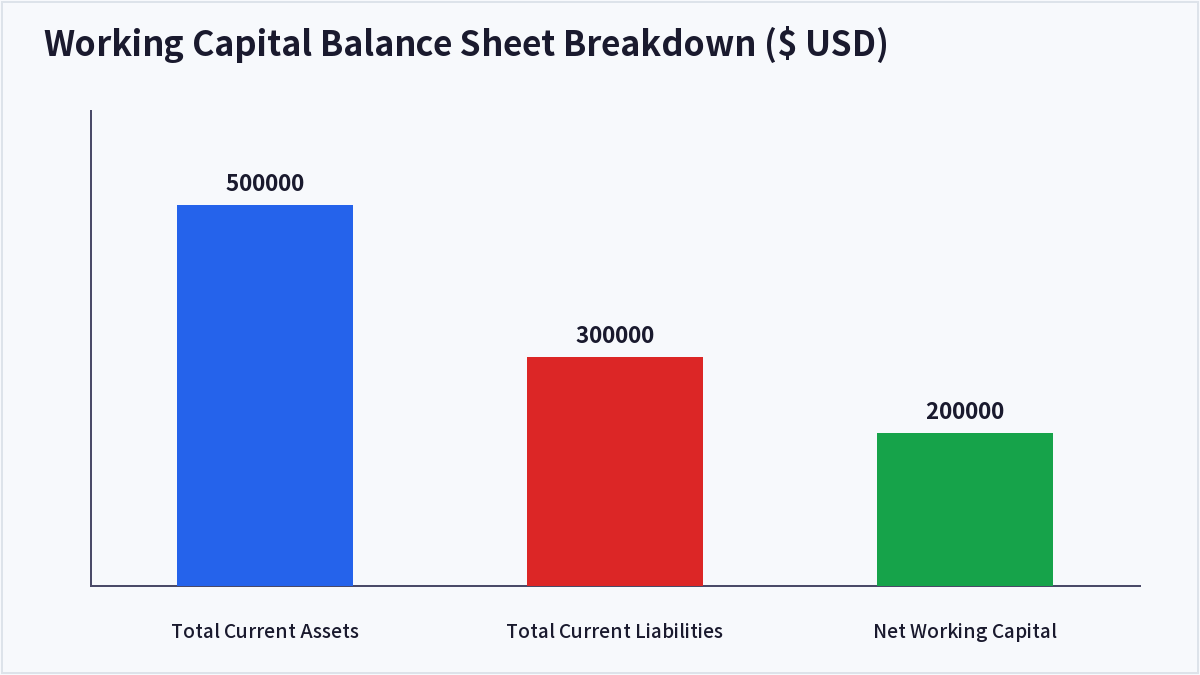
Consider a sample company reporting balance sheet totals of Cash at $150,000, Accounts Receivable at $200,000, and Inventory at $150,000, resulting in Total Current Assets of $500,000. On the liabilities side, the company reports Accounts Payable of $180,000 and Short-Term Debt of $120,000, bringing Total Current Liabilities to $300,000. Subtracting liabilities from assets yields a Net Working Capital of $200,000 ($500,000 minus $300,000). The corresponding Working Capital Ratio is 1.67 ($500,000 divided by $300,000), indicating healthy short-term debt coverage.
Why Working Capital Matters for Investors and Businesses
Solvency and Operational Resilience
Adequate working capital ensures a enterprise can pay short-term bills, payroll, and supplier invoices without taking on expensive emergency debt or liquidating long-term assets. It provides a financial cushion during revenue slowdowns and allows management to take advantage of supplier volume discounts.
Positive vs. Negative Working Capital
Positive working capital indicates that a company can cover its short-term liabilities with current assets. However, excessively high working capital may signal inefficient asset utilization, such as bloated inventory or uncollected receivables. Conversely, negative working capital occurs when current liabilities exceed current assets. While negative working capital can lead to insolvency for capital-intensive firms, retail and subscription businesses often operate safely with negative working capital due to rapid cash collection cycles.
Comparing Working Capital Metrics and Liquidity Ratios
Key Liquidity Benchmarks Overview
To analyze corporate liquidity comprehensively, financial analysts compare Net Working Capital with related liquidity ratios. Each metric evaluates a distinct layer of immediate short-term financial safety.
| Metric | Formula | Primary Focus | Benchmark Range |
|---|---|---|---|
| Net Working Capital (NWC) | Current Assets – Current Liabilities | Dollar surplus of short-term liquidity | Positive dollar balance (> $0) |
| Working Capital Ratio (Current Ratio) | Current Assets / Current Liabilities | Overall short-term debt coverage | 1.5x to 2.0x |
| Quick Ratio (Acid-Test) | (Cash + Receivables + Marketable Securities) / Current Liabilities | Immediate liquidity excluding inventory | 1.0x or higher |
| Cash Ratio | Cash & Cash Equivalents / Current Liabilities | Ultra-conservative cash-only coverage | 0.2x to 0.5x |
Frequently Asked Questions
What is a good working capital ratio?
A working capital ratio (current ratio) between 1.5 and 2.0 is generally considered healthy for most industries, indicating sufficient liquidity without excess idle capital.
Can a company have too much working capital?
Yes. Excessively high working capital suggests inefficient capital allocation, such as sitting on excess cash, slow customer collection, or overstocking unsold inventory.
Why do some successful companies operate with negative working capital?
Businesses with ultra-fast inventory turnover and immediate cash collection, such as online retailers and fast-food chains, collect customer cash instantly while enjoying extended payment terms from vendors.
How does working capital differ from cash flow?
Working capital provides a balance sheet snapshot of short-term financial position at a single point in time, whereas cash flow tracks the ongoing flow of cash in and out of the business over a period.
Key Takeaways
Working capital measures a company’s short-term liquidity by evaluating current assets against current liabilities. Maintaining a healthy working capital surplus ensures smooth operational cash flows, protects against financial distress, and helps investors assess corporate capital efficiency. This article is for informational purposes only and does not constitute investment advice.

QuantPro: AI Finds the Trade Before You Do
From AI-powered chart analysis to real-time market intelligence — everything a serious investor needs, in one platform.
- Automated AI chart analysis with precision trend timing
- Bull Radar: real-time visualization of geopolitical & economic shifts
- Live market-moving news and insights, curated for you
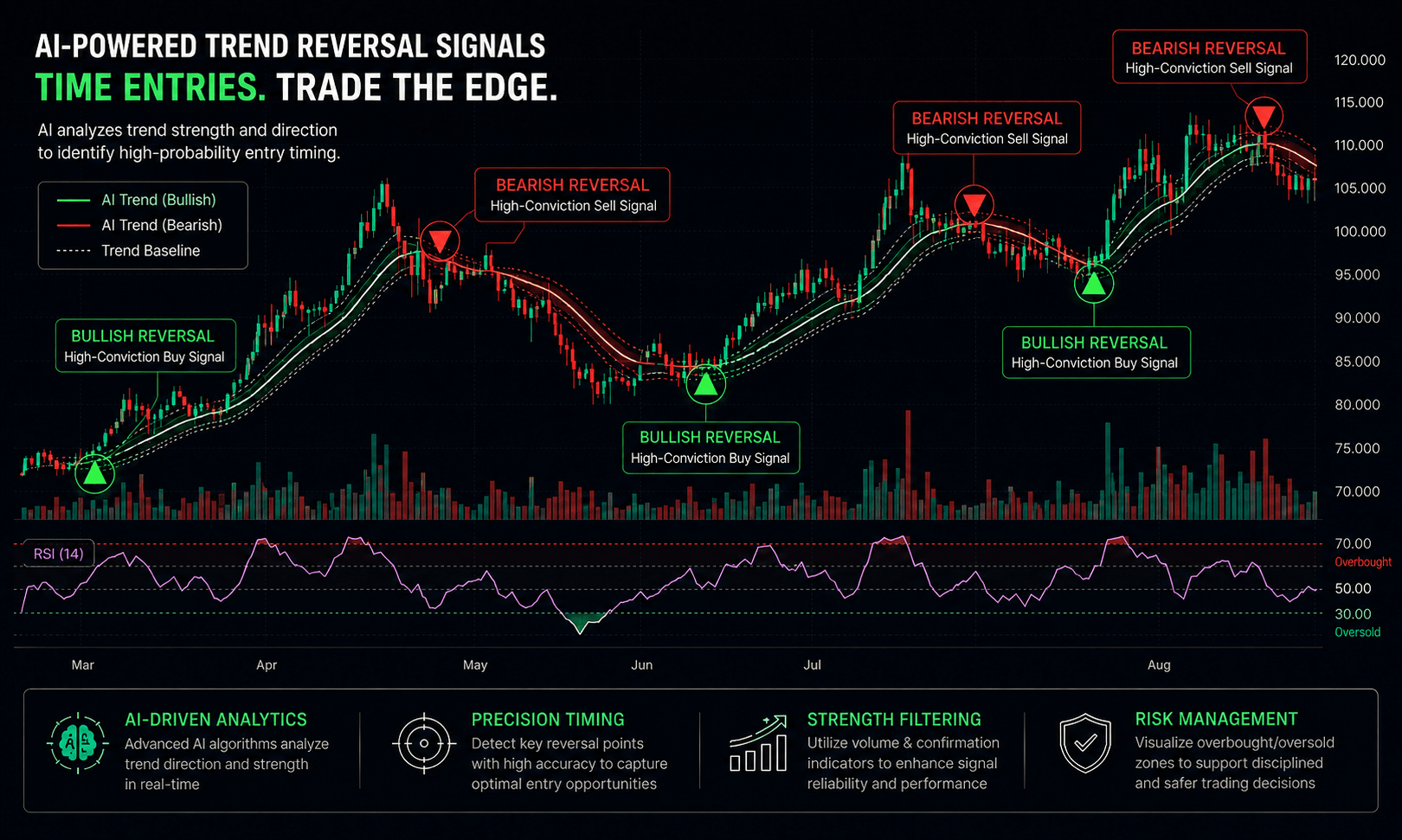
Bull Wave / Bear Wave Forecast Model
Engineered to help you read market direction and momentum faster than the crowd.
- Instantly separate bullish momentum from bearish pressure
- Pinpoint high-probability entry zones with confidence
- Chart signals clear enough for beginners, sharp enough for pros
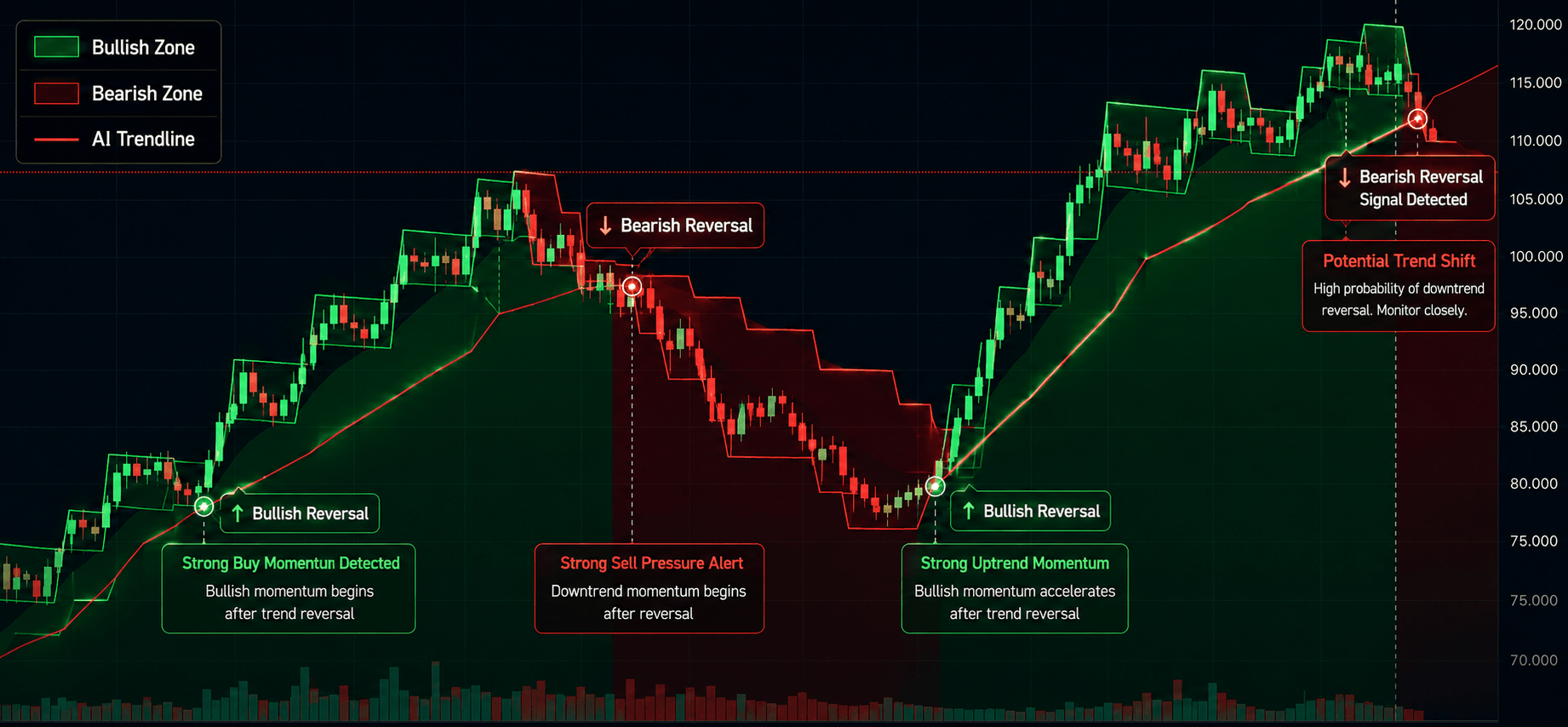
Winning Pattern Detection
Instantly surfaces the high-probability setups that repeat across the charts — a trusted edge for timing your entries and exits.
- Spot momentum building in real time
- Catch trend-reversal points before they break
- Built for active traders who need results, not theory

AI Live Economic Dashboard
AI analyzes real-time market data — turning complex, global investment flows into clear insight in seconds.
- Track global stock markets in real time
- See exactly which assets are strong — and which are fading
- Watch how geopolitical events move the markets
About the Author