What Is a 529 Plan?
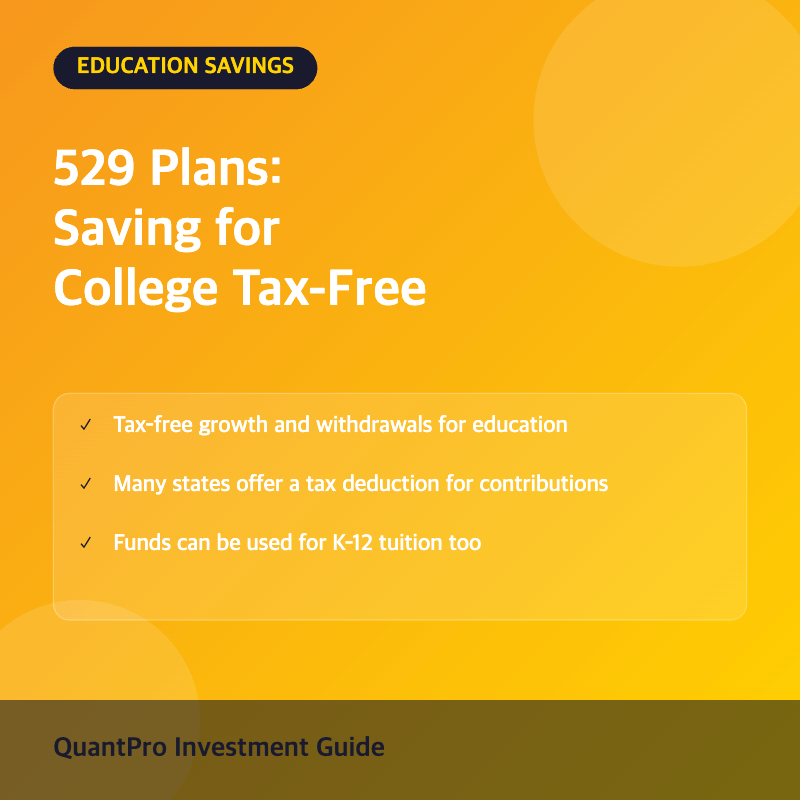
A 529 plan is a tax-advantaged savings account in the United States designed specifically to help families save for education expenses. Contributions grow tax-free, and withdrawals are also tax-free at the federal level when used for qualified education expenses, such as college tuition, room and board, and required books and supplies.
Named after Section 529 of the Internal Revenue Code, these plans are sponsored by individual states, though most plans can be used to pay for eligible institutions nationwide, regardless of which state’s plan an account holder chooses.
Types of 529 Plans
A 529 savings plan functions similarly to an investment account, where contributions are invested in mutual funds or similar portfolios that grow over time based on market performance. A 529 prepaid tuition plan, offered by fewer states, allows account holders to lock in current tuition rates at specific public in-state colleges for future use.
Tax Benefits of 529 Plans
Earnings within a 529 plan grow federally tax-deferred, and withdrawals used for qualified education expenses are entirely tax-free at the federal level. Many states also offer a state income tax deduction or credit for contributions made to their own state’s 529 plan, adding an additional layer of tax benefit for residents.
Using 529 Funds Beyond College
Recent legislative changes have expanded 529 plan usage to include up to $10,000 per year in K-12 tuition expenses, certain apprenticeship program costs, and limited rollovers to a Roth IRA for the beneficiary under specific conditions, broadening the plan’s flexibility beyond traditional four-year college costs.
529 Plan vs Coverdell ESA
| Feature | 529 Plan | Coverdell ESA |
|---|---|---|
| Annual Contribution Limit | Very high (varies by state) | $2,000 per beneficiary |
| Income Restrictions | None | Income phase-out applies |
| State Tax Deduction | Often available | Not typically available |
| Qualified Expenses | College, K-12, apprenticeships | College and K-12 expenses |
Frequently Asked Questions
What happens to 529 funds if the beneficiary doesn’t attend college?
The account owner can change the beneficiary to another qualifying family member without tax consequences, or, under recent rules, roll over a limited amount into a Roth IRA for the original beneficiary, subject to specific conditions and lifetime limits.
Are 529 plan withdrawals always tax-free?
Withdrawals are tax-free at the federal level only when used for qualified education expenses; non-qualified withdrawals are subject to income tax on the earnings portion plus a 10% federal penalty, though the penalty may be waived in certain circumstances, such as scholarships received.
Do I have to use my own state’s 529 plan?
No. Account holders can generally open a 529 plan in any state, though choosing their own state’s plan may provide an additional state tax deduction or credit not available when using an out-of-state plan.
Does a 529 plan affect financial aid eligibility?
A 529 plan owned by a parent is generally treated as a parental asset on the Free Application for Federal Student Aid (FAFSA), which typically has a smaller impact on aid eligibility compared to assets owned directly by the student.
Key Takeaways
A 529 plan offers tax-free growth and withdrawals for qualified education expenses, along with potential state tax deductions, making it a widely used tool for college and, increasingly, K-12 education savings. This article is for informational purposes only and does not constitute investment advice.

QuantPro: AI Finds the Trade Before You Do
From AI-powered chart analysis to real-time market intelligence — everything a serious investor needs, in one platform.
- Automated AI chart analysis with precision trend timing
- Bull Radar: real-time visualization of geopolitical & economic shifts
- Live market-moving news and insights, curated for you
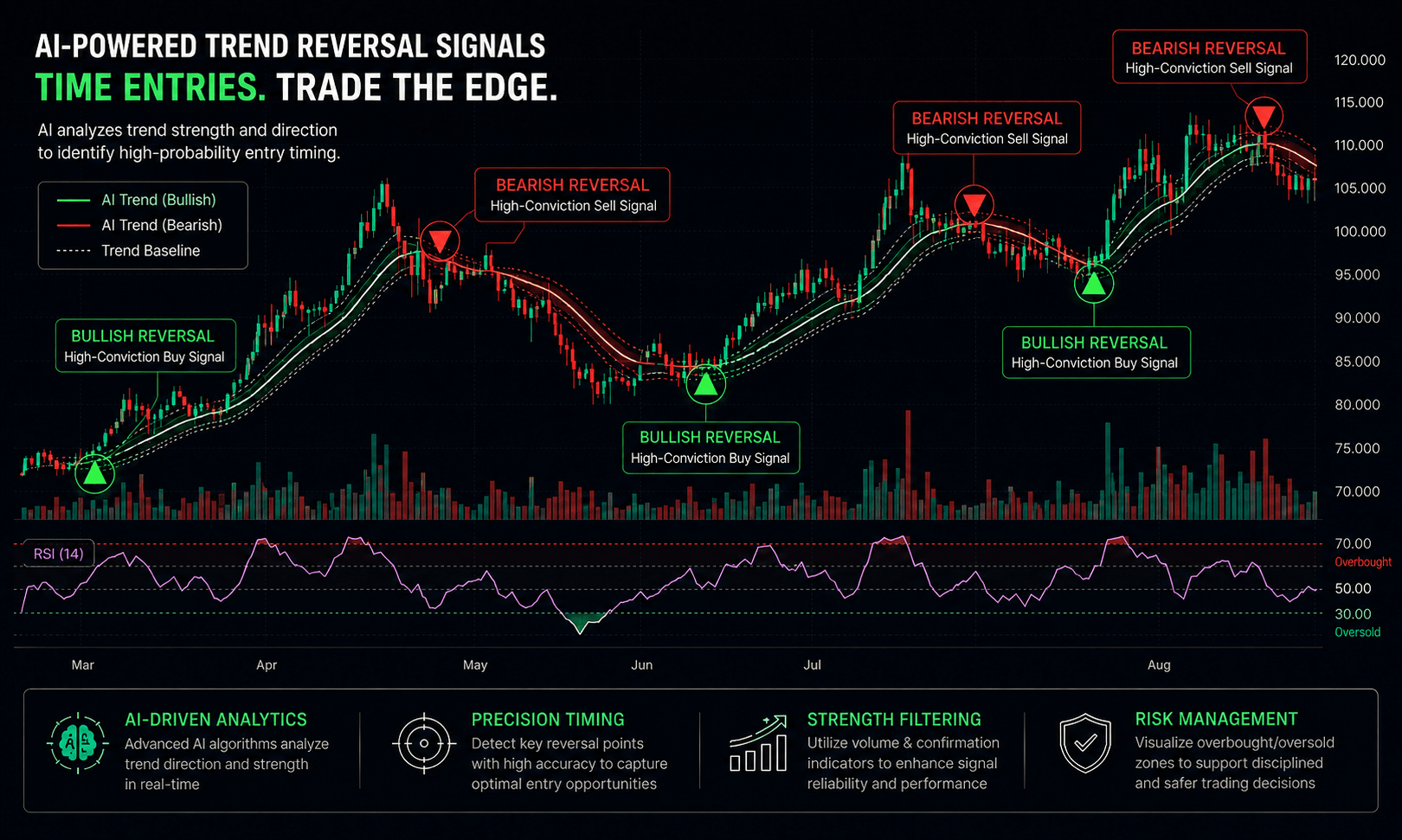
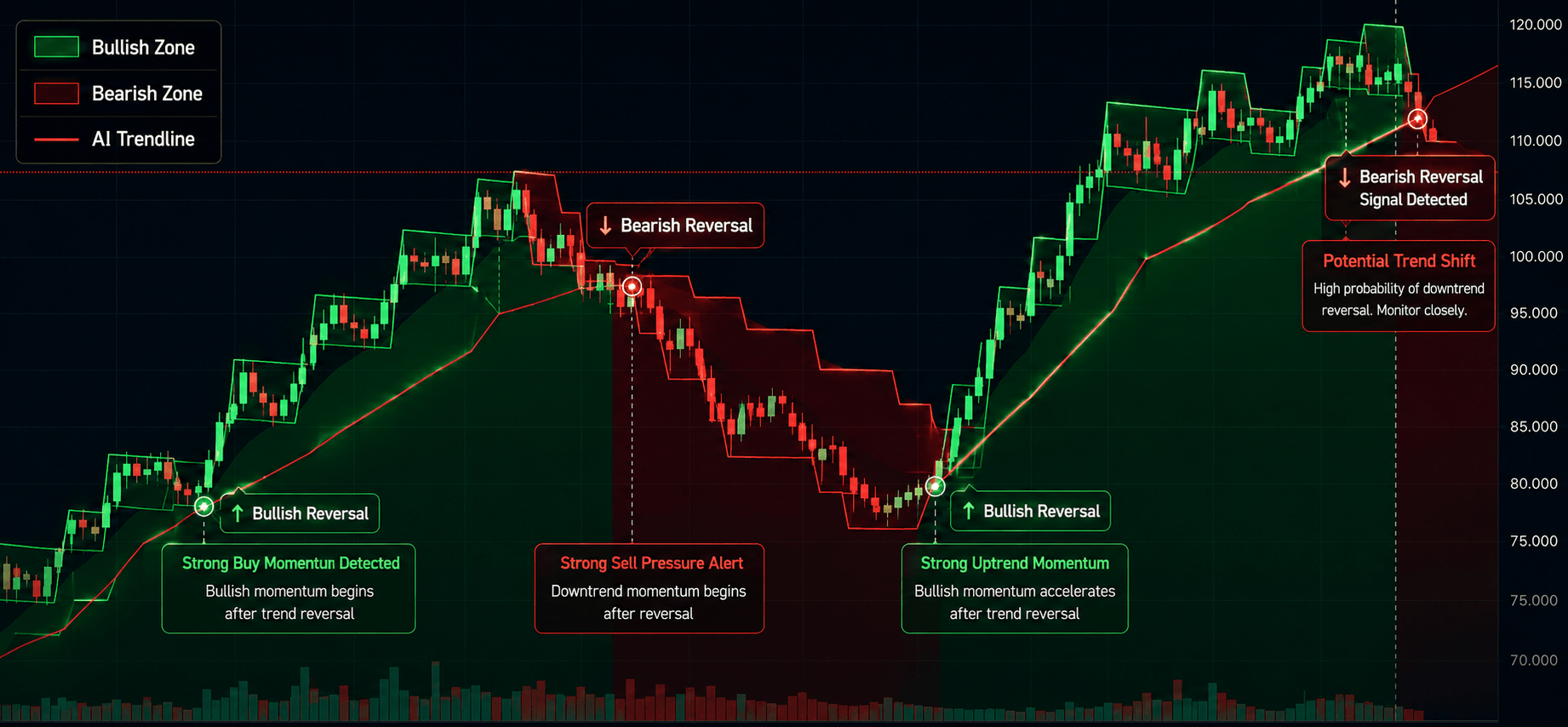
Bull Wave / Bear Wave Forecast Model
Engineered to help you read market direction and momentum faster than the crowd.
- Instantly separate bullish momentum from bearish pressure
- Pinpoint high-probability entry zones with confidence
- Chart signals clear enough for beginners, sharp enough for pros
Winning Pattern Detection
Instantly surfaces the high-probability setups that repeat across the charts — a trusted edge for timing your entries and exits.
- Spot momentum building in real time
- Catch trend-reversal points before they break
- Built for active traders who need results, not theory

AI Live Economic Dashboard
AI analyzes real-time market data — turning complex, global investment flows into clear insight in seconds.
- Track global stock markets in real time
- See exactly which assets are strong — and which are fading
- Watch how geopolitical events move the markets
About the Author