What Are Blue Chip Stocks?
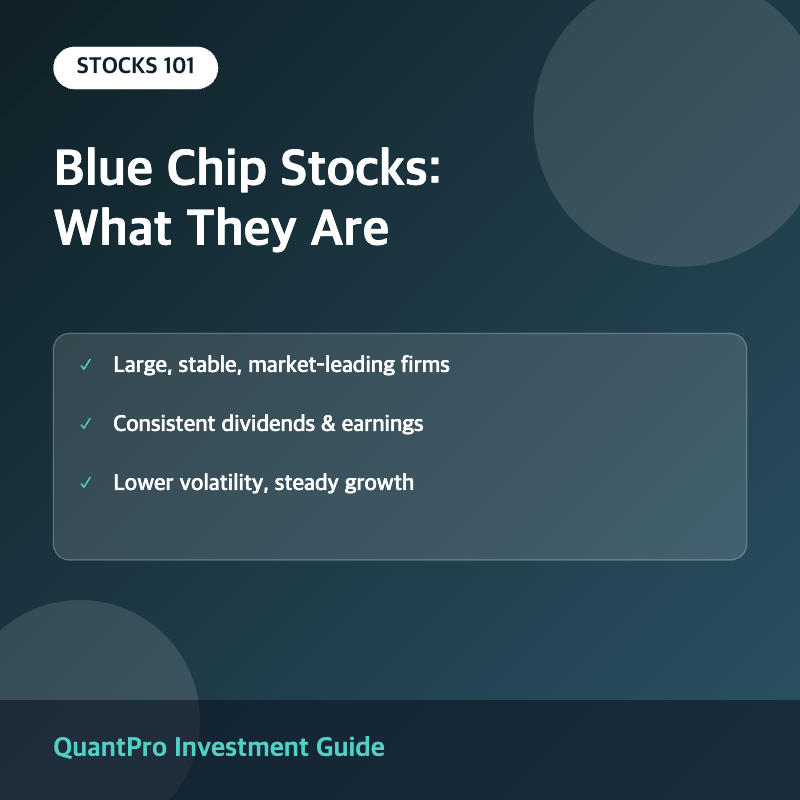
A blue chip stock is a share in a large, well-established, and financially sound company with a long history of reliable performance, often through multiple economic cycles. The term originates from poker, where blue chips carry the highest value.
Core Characteristics
Blue chip companies typically share several traits: a market capitalization in the tens or hundreds of billions of dollars, a leading position within their industry, a long operating history (often 50+ years), consistent revenue and earnings growth, and a strong balance sheet with manageable debt levels.
Dividend Track Record
Many blue chip stocks pay regular, and often increasing, dividends. Companies known as Dividend Aristocrats have raised their dividend annually for at least 25 consecutive years, a hallmark of financial stability and shareholder-friendly management.
Blue Chip vs. Growth Stocks
| Feature | Blue Chip Stocks | Growth Stocks |
|---|---|---|
| Company Size | Large-cap, established | Often smaller or mid-cap |
| Volatility | Lower | Higher |
| Dividends | Common, stable | Rare, reinvested in growth |
| Earnings Growth | Steady, moderate | Rapid, less predictable |
| Typical Investor Goal | Income & stability | Capital appreciation |
Why Investors Hold Blue Chips
Blue chip stocks are often used as a portfolio foundation because they tend to weather recessions better than smaller or more speculative companies, provide steady income through dividends, and offer liquidity since they are widely traded on major exchanges.
Risks to Consider
Blue chip status does not guarantee returns. These companies can still underperform, face disruption from new competitors, or cut dividends during severe downturns. Diversification across sectors remains important even within a blue-chip-focused portfolio.
Frequently Asked Questions
What is an example of a blue chip stock?
Companies like Johnson & Johnson, Coca-Cola, Microsoft, and Procter & Gamble are commonly cited as blue chip stocks due to their size, stability, and long dividend histories.
Are blue chip stocks safe investments?
Blue chip stocks are generally considered lower-risk than smaller or speculative stocks, but no stock is entirely risk-free. Market downturns and industry-specific challenges can still affect their prices.
Do all blue chip stocks pay dividends?
Most blue chip companies pay dividends, but not all. Some large, established tech companies historically reinvested earnings into growth instead of paying dividends, though many have begun to introduce them as they mature.
How do I identify a blue chip stock?
Look for a large market capitalization, membership in a major index like the S&P 500 or Dow Jones Industrial Average, a long operating history, consistent profitability, and often a multi-decade dividend payment record.
Key Takeaways
Blue chip stocks represent shares in large, financially stable, industry-leading companies known for steady performance and often reliable dividends. They are commonly used as a core holding for investors seeking lower volatility and long-term stability, though they still carry market risk like any equity investment. This article is for informational purposes only and does not constitute investment advice.

QuantPro: AI Finds the Trade Before You Do
From AI-powered chart analysis to real-time market intelligence — everything a serious investor needs, in one platform.
- Automated AI chart analysis with precision trend timing
- Bull Radar: real-time visualization of geopolitical & economic shifts
- Live market-moving news and insights, curated for you
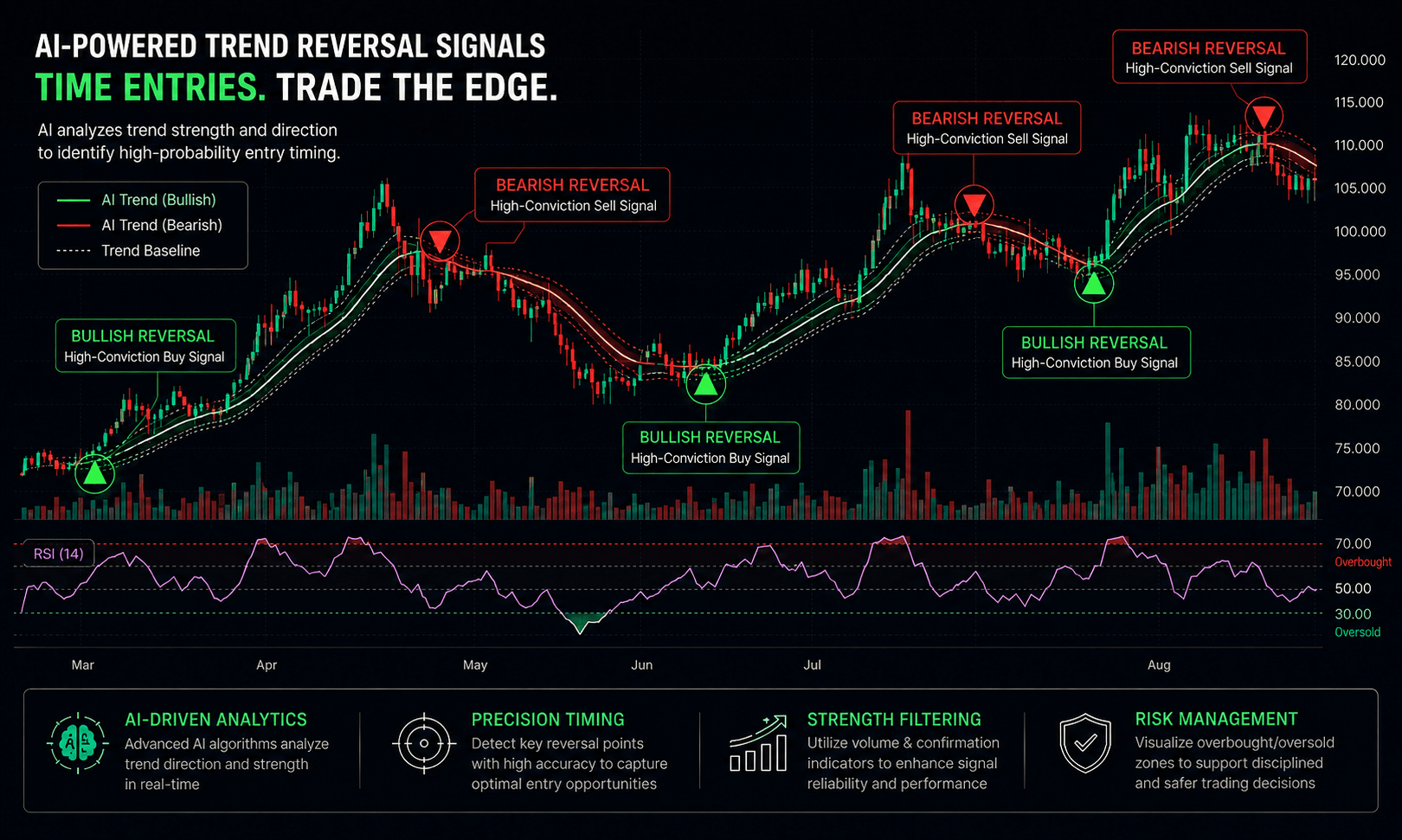
Bull Wave / Bear Wave Forecast Model
Engineered to help you read market direction and momentum faster than the crowd.
- Instantly separate bullish momentum from bearish pressure
- Pinpoint high-probability entry zones with confidence
- Chart signals clear enough for beginners, sharp enough for pros
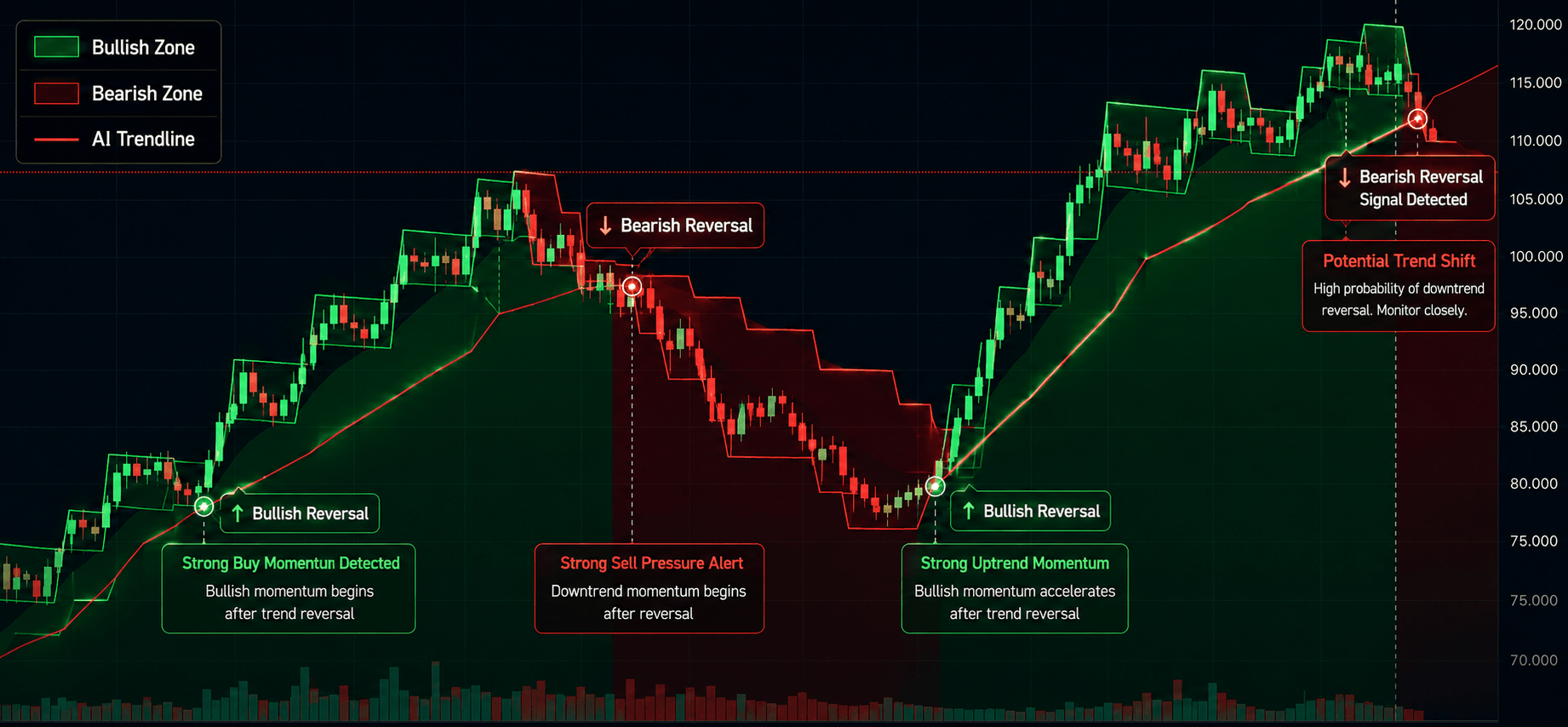
Winning Pattern Detection
Instantly surfaces the high-probability setups that repeat across the charts — a trusted edge for timing your entries and exits.
- Spot momentum building in real time
- Catch trend-reversal points before they break
- Built for active traders who need results, not theory

AI Live Economic Dashboard
AI analyzes real-time market data — turning complex, global investment flows into clear insight in seconds.
- Track global stock markets in real time
- See exactly which assets are strong — and which are fading
- Watch how geopolitical events move the markets
About the Author