What Are Index Funds?
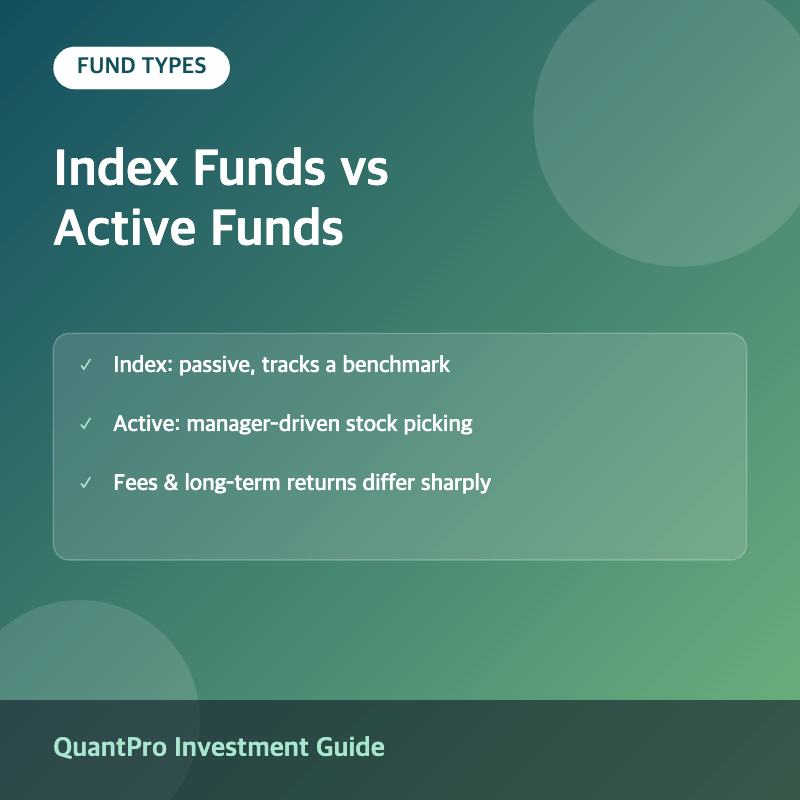
An index fund is a type of mutual fund or exchange-traded fund (ETF) designed to passively track the performance of a specific market benchmark, such as the S&P 500 or the total stock market, by holding the same securities in similar proportions as the index.
How Index Funds Work
Index funds use a passive management strategy, meaning there is no active stock-picking involved. The fund simply mirrors the composition of its target index, resulting in lower turnover, lower operating costs, and expense ratios that are often a fraction of those charged by actively managed funds.
What Are Actively Managed Funds?
An actively managed fund employs a professional portfolio manager or team who actively selects securities in an attempt to outperform a benchmark index, using research, market analysis, and judgment to time buy and sell decisions.
The Cost of Active Management
Active funds typically charge higher expense ratios to cover research, analysis, and management costs. Historical data from sources like the S&P Indices Versus Active (SPIVA) scorecard has repeatedly shown that a majority of actively managed funds underperform their benchmark index over 10- and 15-year periods, largely due to fee drag.
Index Funds vs. Active Funds: Comparison
| Feature | Index Funds | Actively Managed Funds |
|---|---|---|
| Management Style | Passive | Active |
| Average Expense Ratio | ~0.03%-0.20% | ~0.50%-1.50%+ |
| Goal | Match benchmark performance | Beat benchmark performance |
| Turnover | Low | Often higher |
| Long-Term Track Record | Consistently matches index | Majority underperform net of fees |
When Might Active Management Make Sense?
Active management can offer potential advantages in less efficient markets, such as small-cap or emerging-market equities, or for investors seeking specific risk management strategies like downside protection during volatile periods.
Frequently Asked Questions
Why do index funds have lower fees?
Index funds require no active research or frequent trading since they simply replicate an index, which significantly reduces management and transaction costs compared to actively managed funds.
Do actively managed funds ever outperform index funds?
Some actively managed funds do outperform their benchmark in certain periods, but data consistently shows that the majority underperform over longer time horizons once fees are factored in.
Are index funds a good choice for beginners?
Index funds are often recommended for beginner investors due to their low costs, broad diversification, and simplicity, requiring no need to select individual stocks or actively managed funds.
Can I hold both index funds and active funds in one portfolio?
Yes, many investors use a core-satellite approach, holding low-cost index funds as the portfolio core while adding select actively managed funds for specific strategies or asset classes.
Key Takeaways
Index funds passively track a market benchmark at low cost, while actively managed funds rely on professional managers attempting to outperform the market at higher fees. Long-term data shows most active funds struggle to beat their benchmarks net of fees, which is why many investors favor low-cost index funds as a portfolio foundation. This article is for informational purposes only and does not constitute investment advice.

QuantPro: AI Finds the Trade Before You Do
From AI-powered chart analysis to real-time market intelligence — everything a serious investor needs, in one platform.
- Automated AI chart analysis with precision trend timing
- Bull Radar: real-time visualization of geopolitical & economic shifts
- Live market-moving news and insights, curated for you
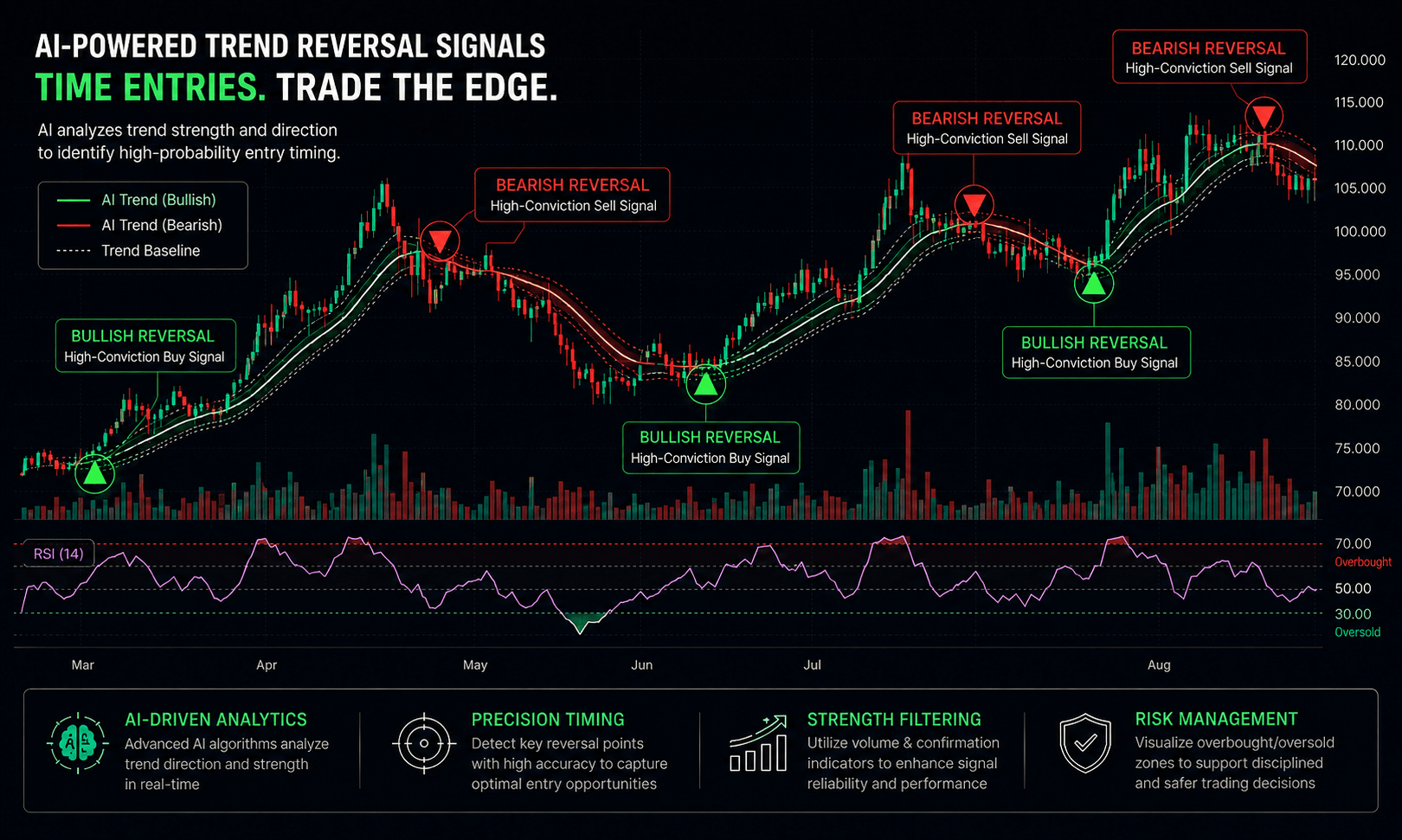
Bull Wave / Bear Wave Forecast Model
Engineered to help you read market direction and momentum faster than the crowd.
- Instantly separate bullish momentum from bearish pressure
- Pinpoint high-probability entry zones with confidence
- Chart signals clear enough for beginners, sharp enough for pros
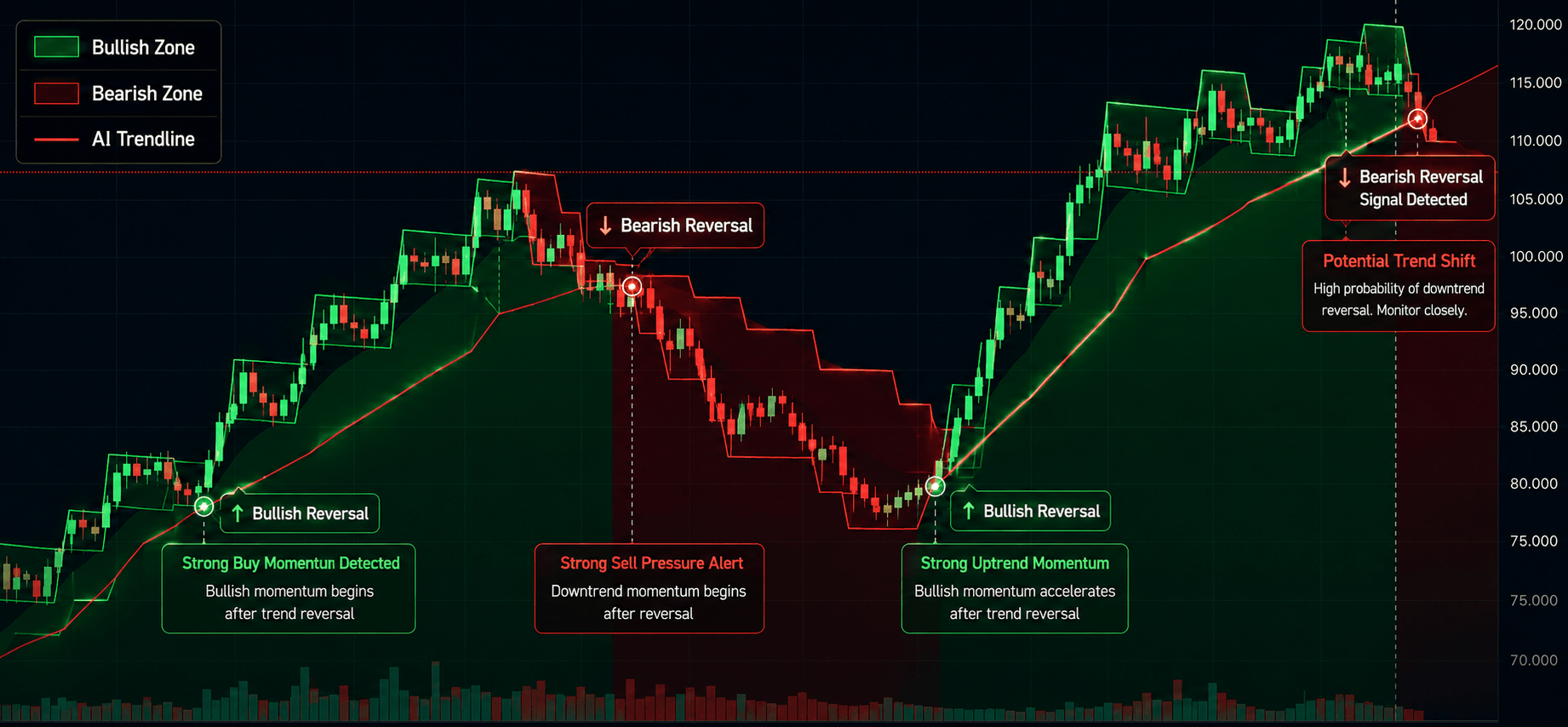
Winning Pattern Detection
Instantly surfaces the high-probability setups that repeat across the charts — a trusted edge for timing your entries and exits.
- Spot momentum building in real time
- Catch trend-reversal points before they break
- Built for active traders who need results, not theory
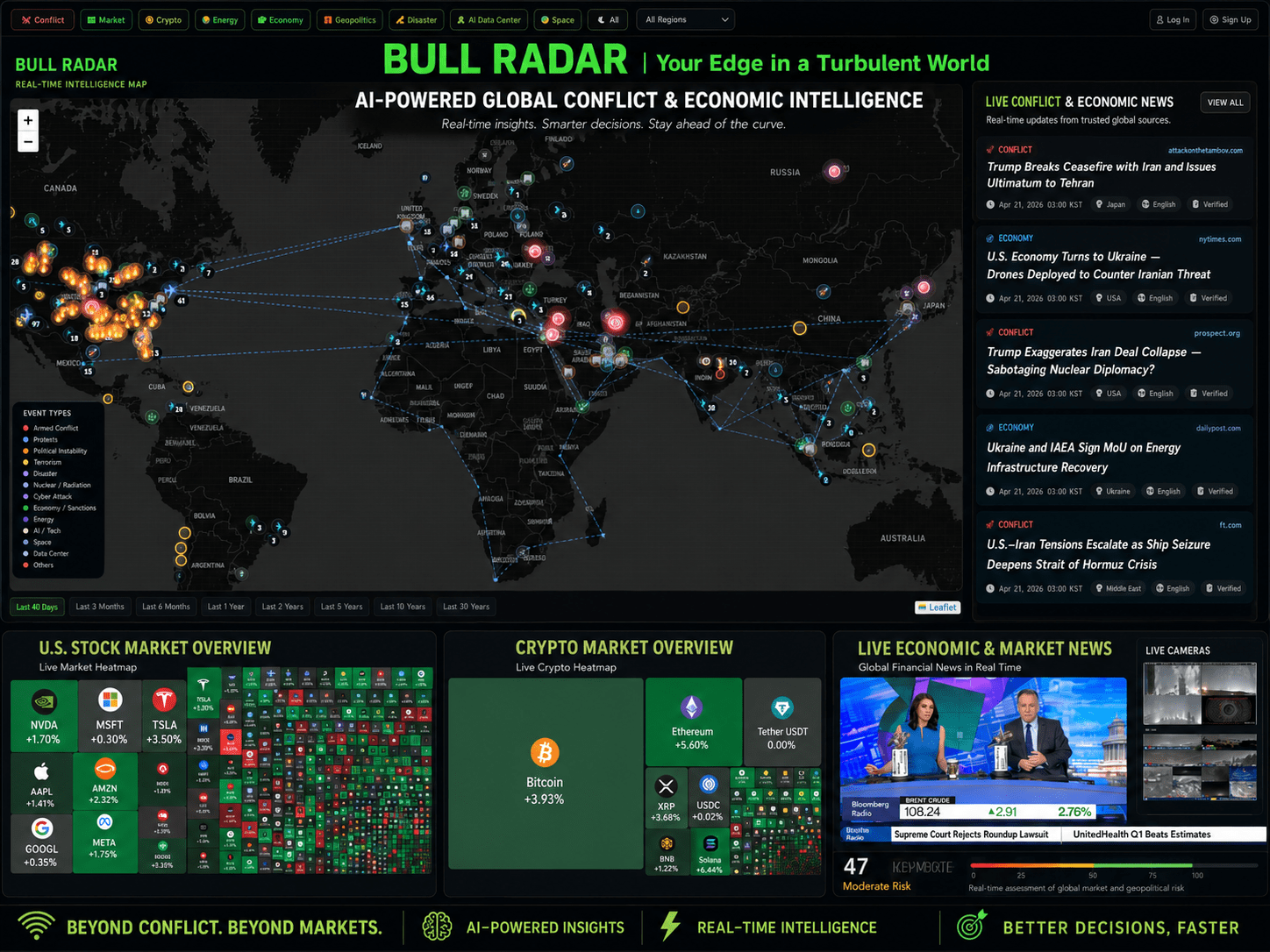
AI Live Economic Dashboard
AI analyzes real-time market data — turning complex, global investment flows into clear insight in seconds.
- Track global stock markets in real time
- See exactly which assets are strong — and which are fading
- Watch how geopolitical events move the markets
About the Author