What Is Margin Trading?
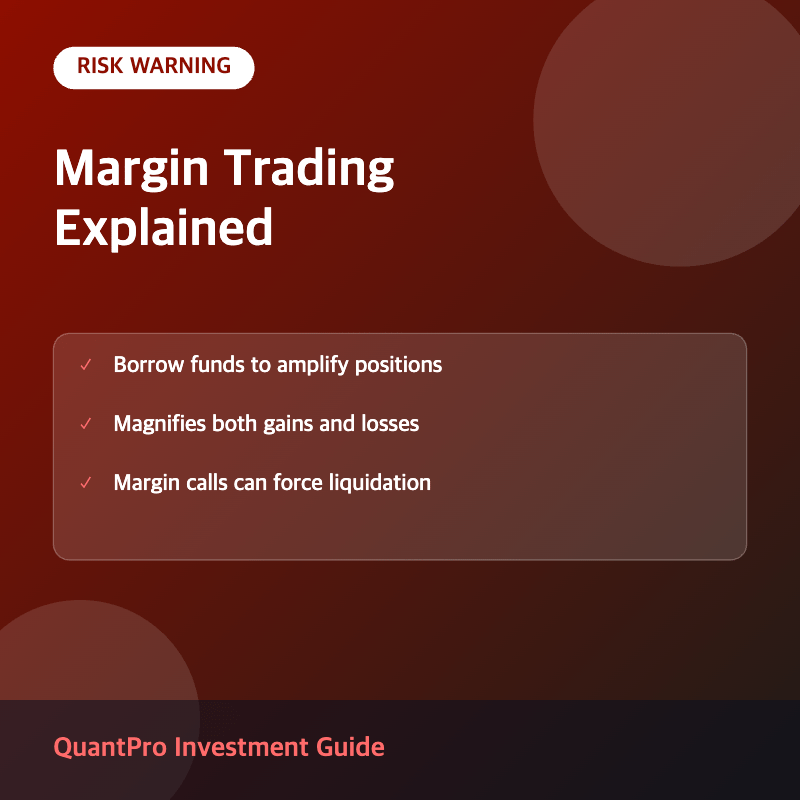
Margin trading is the practice of borrowing money from a brokerage to purchase securities, using existing cash or securities in the account as collateral. It allows investors to control a larger position than their own capital would otherwise permit, amplifying both potential gains and potential losses.
How Margin Accounts Work
To trade on margin, an investor opens a margin account and deposits an initial amount known as the initial margin, often a minimum of 50% of the purchase price under Regulation T in the United States. The brokerage lends the remainder, charging interest on the borrowed amount.
Margin Calls and Maintenance Margin
Brokers require a maintenance margin, typically around 25-30% of the position value, to be maintained at all times. If the account value falls below this threshold, the broker issues a margin call, requiring the investor to deposit additional funds or sell assets to restore the required equity level.
Margin Trading: Benefits vs. Risks
| Aspect | Benefit | Risk |
|---|---|---|
| Buying Power | Increased position size | Larger potential losses |
| Returns | Amplified gains on winning trades | Amplified losses on losing trades |
| Cost | Access to more capital | Interest charges on borrowed funds |
| Account Management | Flexibility to leverage positions | Margin calls can force untimely sales |
| Market Volatility | Can capture larger short-term moves | Higher risk of margin call in downturns |
A Simple Example
If an investor deposits $5,000 and borrows another $5,000 on margin to buy $10,000 of stock, a 20% rise in the stock value produces a $2,000 gain, a 40% return on the investor’s own $5,000. Conversely, a 20% decline produces a $2,000 loss, a 40% loss on the initial capital, illustrating how leverage cuts both ways.
Frequently Asked Questions
Is margin trading suitable for beginners?
Margin trading is generally considered a higher-risk strategy best suited for experienced investors who understand leverage, volatility, and the potential for losses exceeding the initial investment.
What happens if I cannot meet a margin call?
If an investor fails to meet a margin call, the brokerage has the right to sell securities in the account without prior notice to bring the account back to the required maintenance margin level.
Can I lose more than I invested with margin trading?
Yes. Because margin trading involves borrowed money, losses can exceed the initial deposit, unlike investing with cash alone, where losses are limited to the amount invested.
How is interest charged on margin loans?
Brokers charge interest on the borrowed amount, typically calculated daily and charged monthly, with rates varying based on the brokerage and the size of the loan.
Key Takeaways
Margin trading allows investors to borrow funds from a broker to increase their purchasing power, amplifying both potential returns and potential losses. It requires maintaining minimum equity levels and carries the risk of margin calls and forced liquidation during market downturns, making it a strategy best approached with caution and experience. This article is for informational purposes only and does not constitute investment advice.

QuantPro: AI Finds the Trade Before You Do
From AI-powered chart analysis to real-time market intelligence — everything a serious investor needs, in one platform.
- Automated AI chart analysis with precision trend timing
- Bull Radar: real-time visualization of geopolitical & economic shifts
- Live market-moving news and insights, curated for you
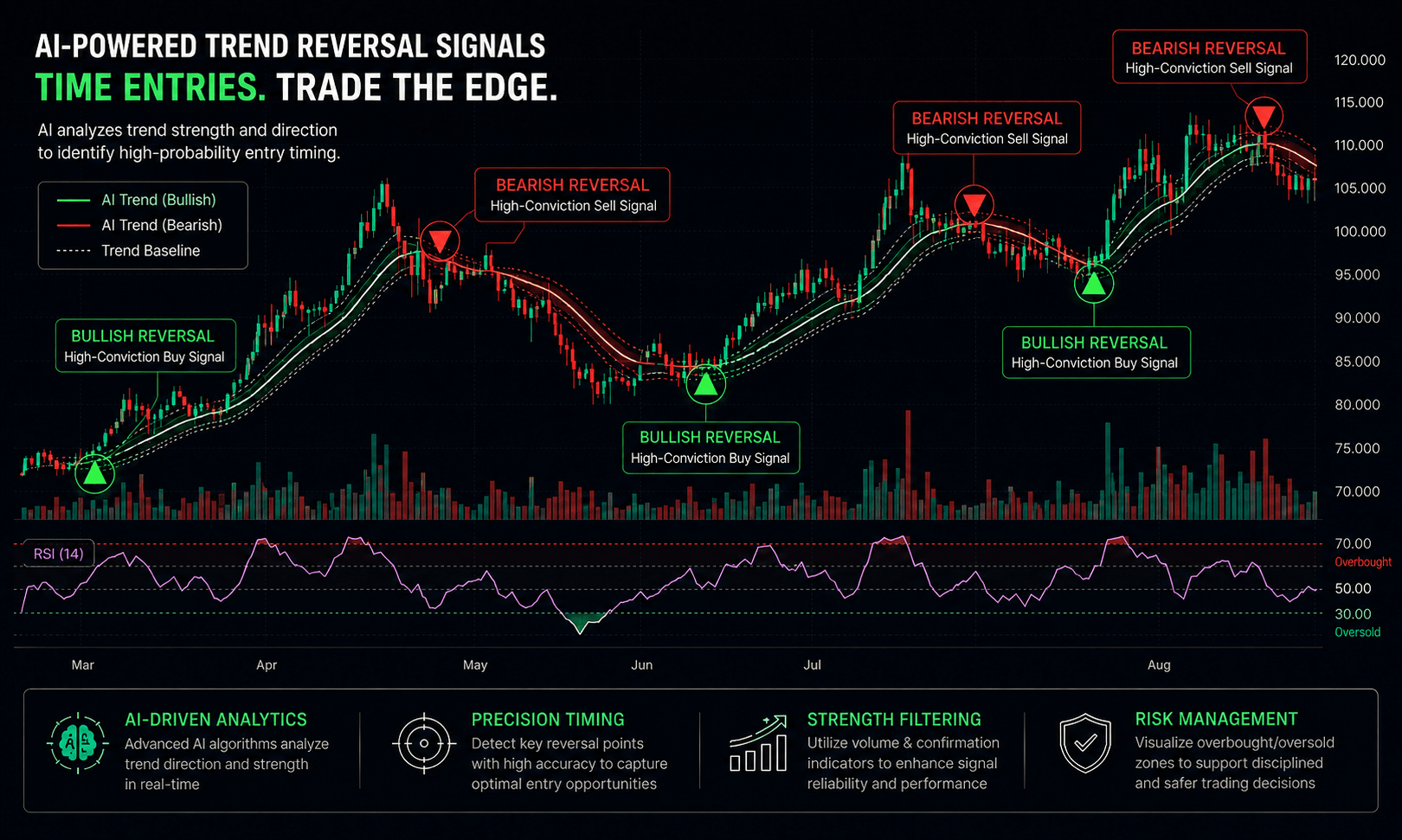
Bull Wave / Bear Wave Forecast Model
Engineered to help you read market direction and momentum faster than the crowd.
- Instantly separate bullish momentum from bearish pressure
- Pinpoint high-probability entry zones with confidence
- Chart signals clear enough for beginners, sharp enough for pros
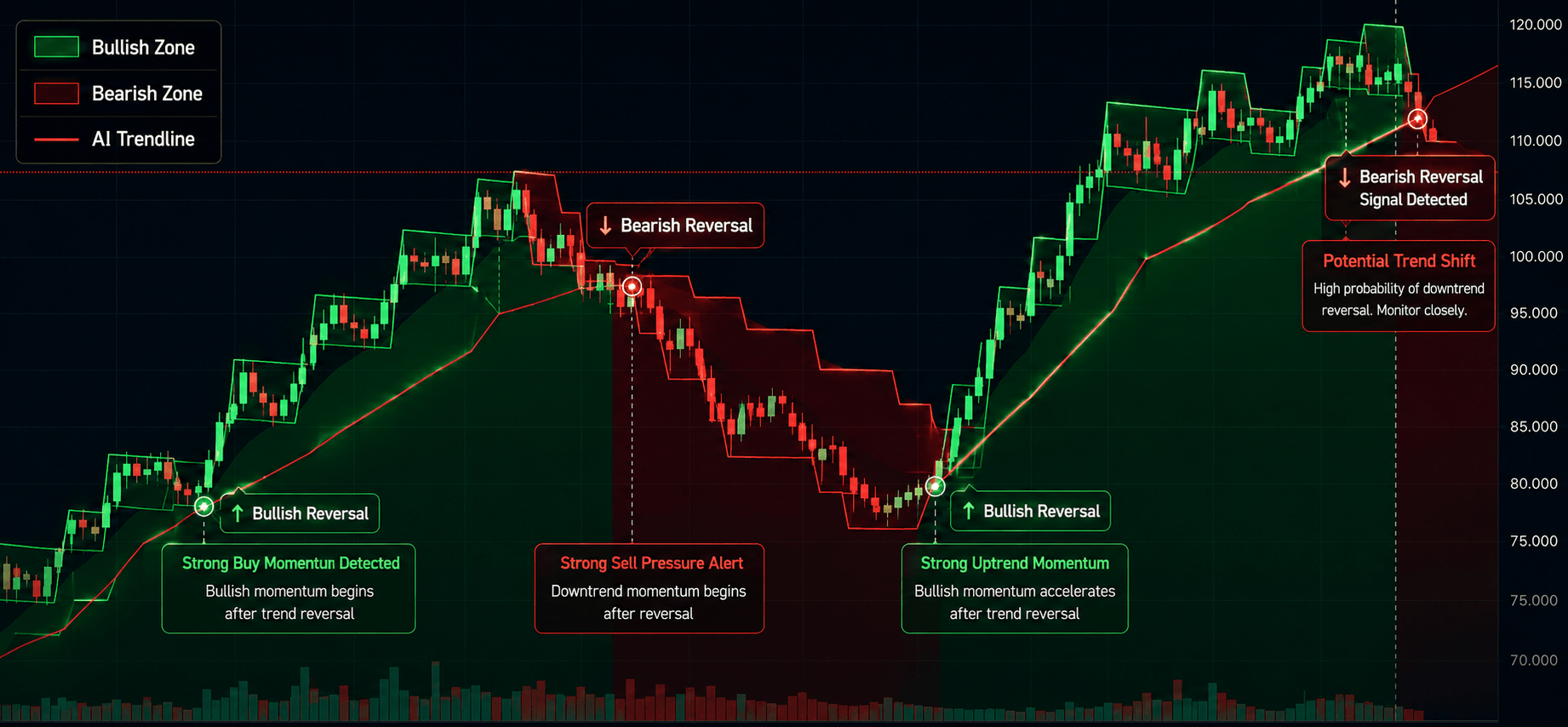
Winning Pattern Detection
Instantly surfaces the high-probability setups that repeat across the charts — a trusted edge for timing your entries and exits.
- Spot momentum building in real time
- Catch trend-reversal points before they break
- Built for active traders who need results, not theory
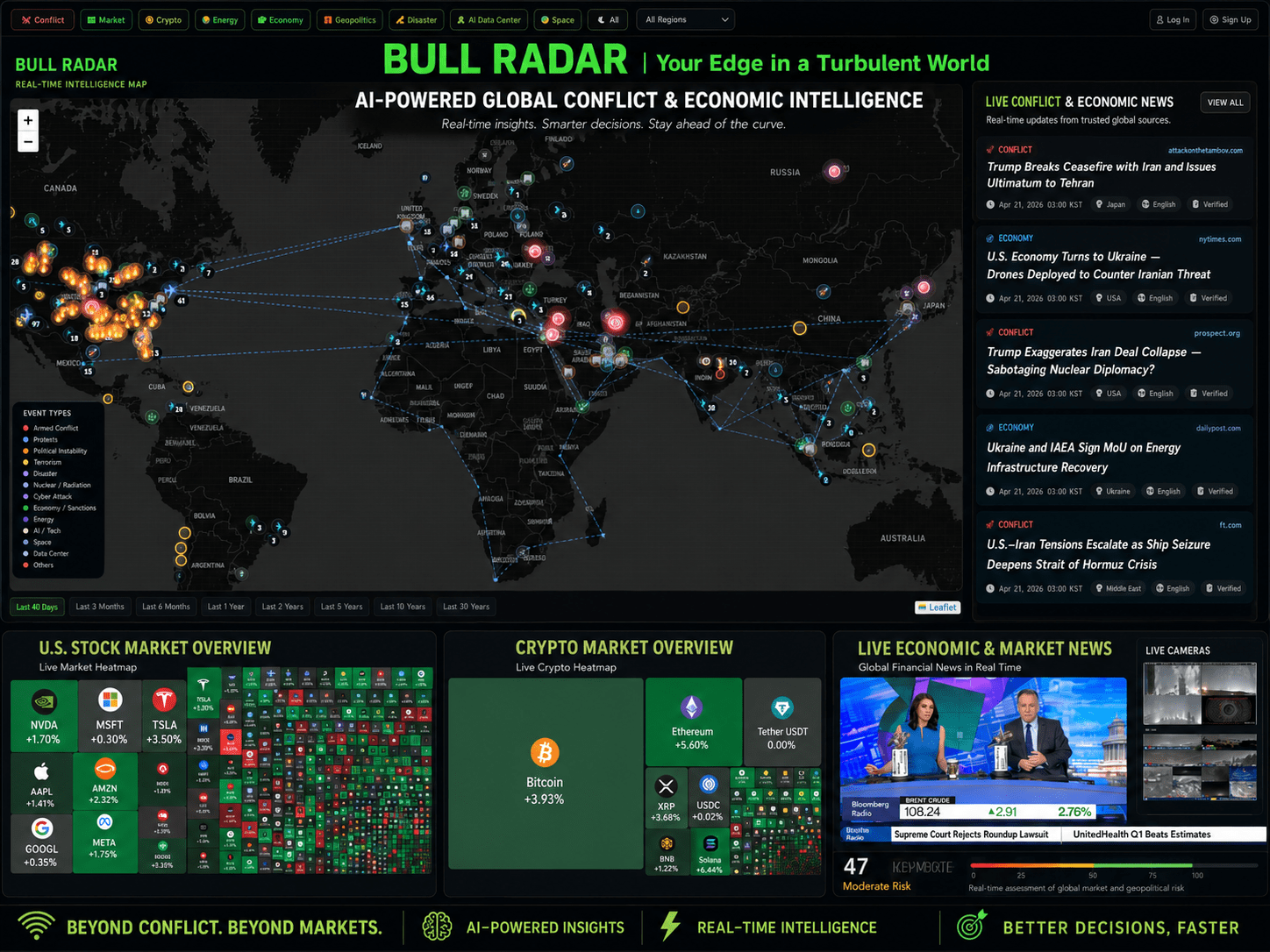
AI Live Economic Dashboard
AI analyzes real-time market data — turning complex, global investment flows into clear insight in seconds.
- Track global stock markets in real time
- See exactly which assets are strong — and which are fading
- Watch how geopolitical events move the markets
About the Author