What Is CAGR (Compound Annual Growth Rate)?
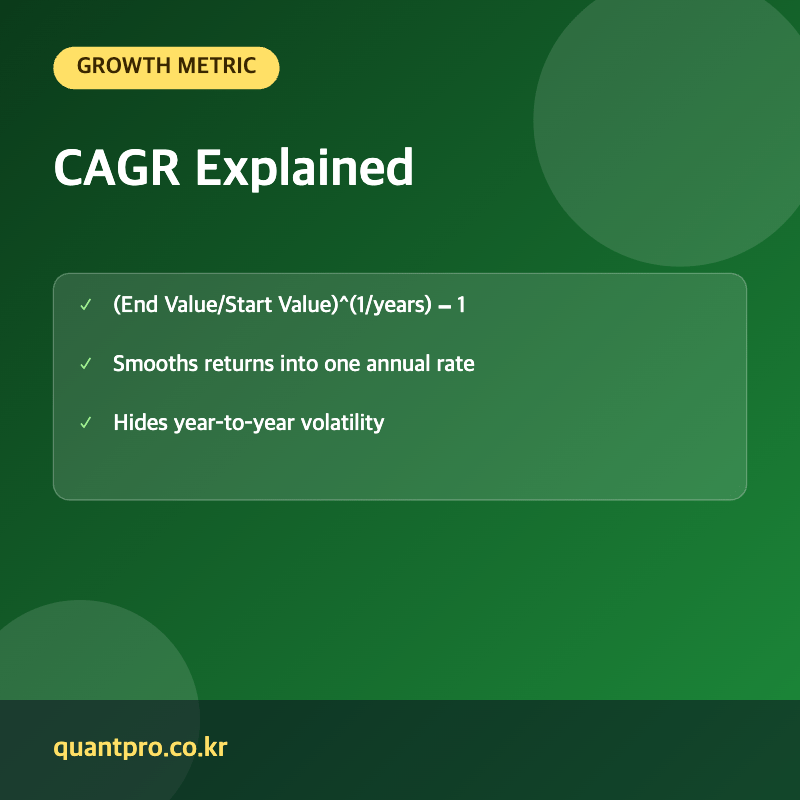
The Compound Annual Growth Rate (CAGR) measures the smoothed annual rate of return an investment would need to grow from its starting value to its ending value over a specified period, assuming profits were reinvested each year. The formula is CAGR = (Ending Value / Beginning Value)^(1 / Number of Years) − 1, expressed as a percentage.
CAGR is widely used because it converts multi-year growth into a single, comparable annual figure, making it easier to compare the performance of different investments, companies, or portfolios over the same time horizon, even when actual year-to-year returns fluctuated significantly.
CAGR vs. Average Annual Return
CAGR differs from a simple average of annual returns because it accounts for compounding — the effect of gains and losses building on top of each other over time. A simple average can overstate actual performance, especially when returns are volatile, since large losses require proportionally larger gains to recover, a distortion CAGR properly captures.
What CAGR Does Not Show
Because CAGR smooths performance into a single steady rate, it hides the actual volatility and risk experienced along the way — two investments with identical CAGR values can have very different risk profiles if one grew steadily while the other swung wildly between large gains and losses.
| Metric | What It Captures | Key Limitation |
|---|---|---|
| CAGR | Smoothed compound annual growth rate | Hides year-to-year volatility |
| Simple Average Annual Return | Arithmetic mean of yearly returns | Can overstate true performance with volatile returns |
| Standard Deviation | Volatility/dispersion of returns | Does not summarize overall growth by itself |
Frequently Asked Questions
Is a higher CAGR always better?
Generally yes for comparing growth, but CAGR alone doesn’t reveal the risk or volatility involved in achieving that growth, so it should be evaluated alongside volatility measures like standard deviation.
Can CAGR be negative?
Yes, a negative CAGR indicates the ending value was lower than the beginning value over the period, reflecting an overall decline even if some individual years within the period showed gains.
Why do two investments with the same CAGR feel so different to hold?
Because CAGR only reflects the beginning and ending values, an investment that grew steadily and one that experienced sharp swings can arrive at the exact same CAGR, even though the volatile path involved much greater risk and a very different investor experience along the way.
How is CAGR used outside of investing?
CAGR is commonly used to measure company revenue growth, user or subscriber growth, and other business metrics over multiple years, providing a standardized way to compare growth trajectories across companies or time periods.
Key Takeaways
CAGR smooths an investment’s or company’s growth over multiple years into a single annual rate, making performance easier to compare, but it should always be paired with a volatility measure since it does not reveal the actual path taken. This article is for informational purposes only and does not constitute investment advice.

QuantPro: AI Finds the Trade Before You Do
From AI-powered chart analysis to real-time market intelligence — everything a serious investor needs, in one platform.
- Automated AI chart analysis with precision trend timing
- Bull Radar: real-time visualization of geopolitical & economic shifts
- Live market-moving news and insights, curated for you
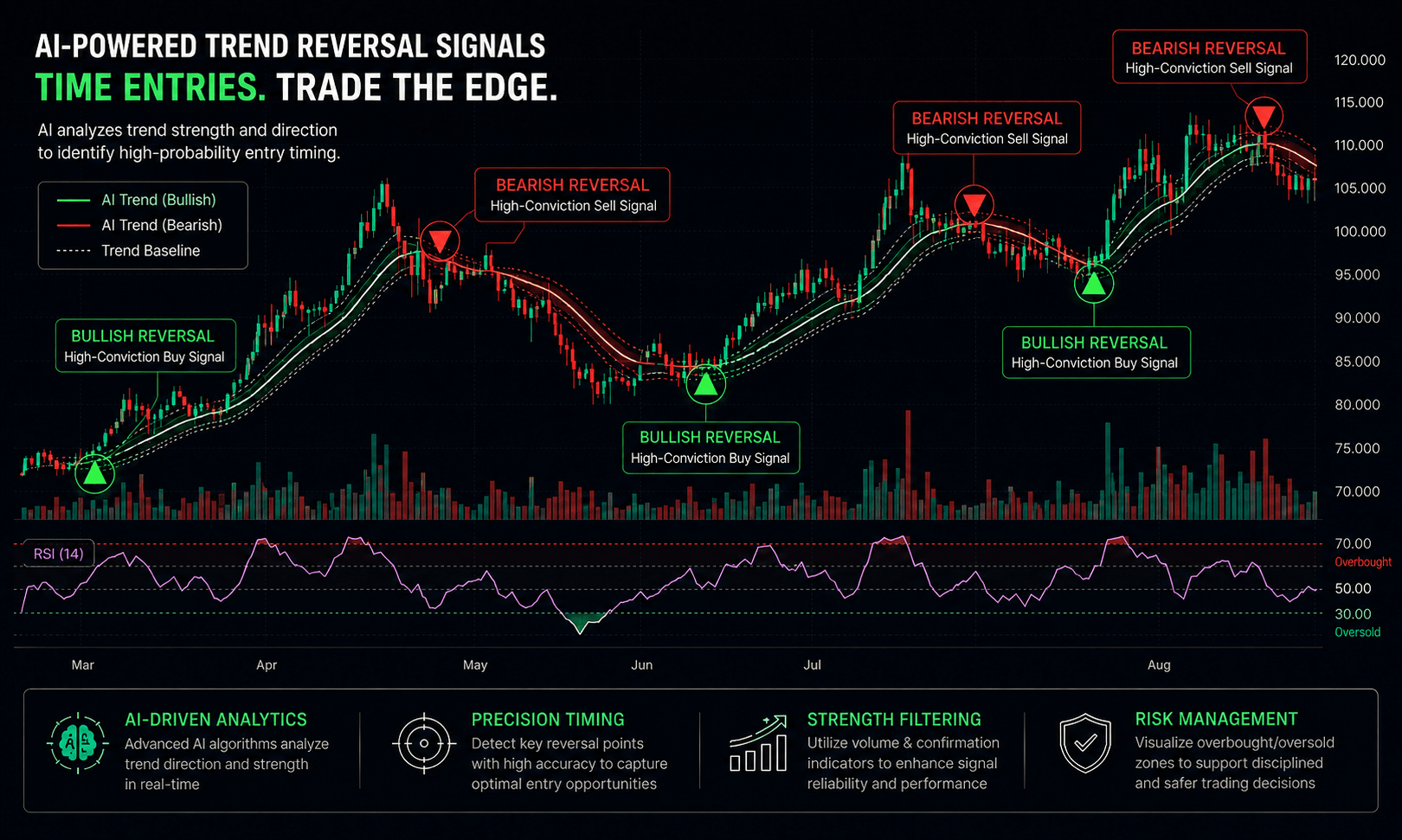
Bull Wave / Bear Wave Forecast Model
Engineered to help you read market direction and momentum faster than the crowd.
- Instantly separate bullish momentum from bearish pressure
- Pinpoint high-probability entry zones with confidence
- Chart signals clear enough for beginners, sharp enough for pros
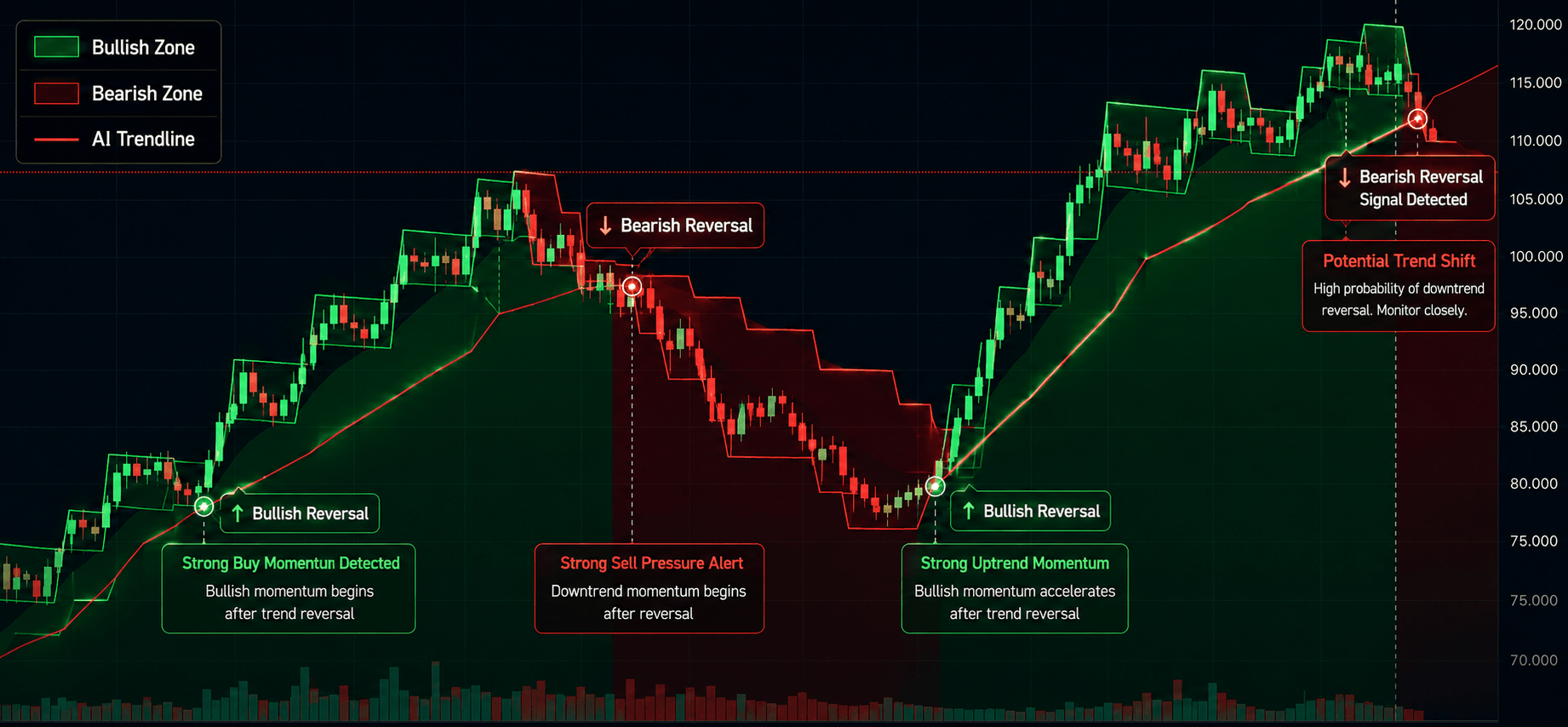
Winning Pattern Detection
Instantly surfaces the high-probability setups that repeat across the charts — a trusted edge for timing your entries and exits.
- Spot momentum building in real time
- Catch trend-reversal points before they break
- Built for active traders who need results, not theory

AI Live Economic Dashboard
AI analyzes real-time market data — turning complex, global investment flows into clear insight in seconds.
- Track global stock markets in real time
- See exactly which assets are strong — and which are fading
- Watch how geopolitical events move the markets
About the Author