What Are Options Contracts?
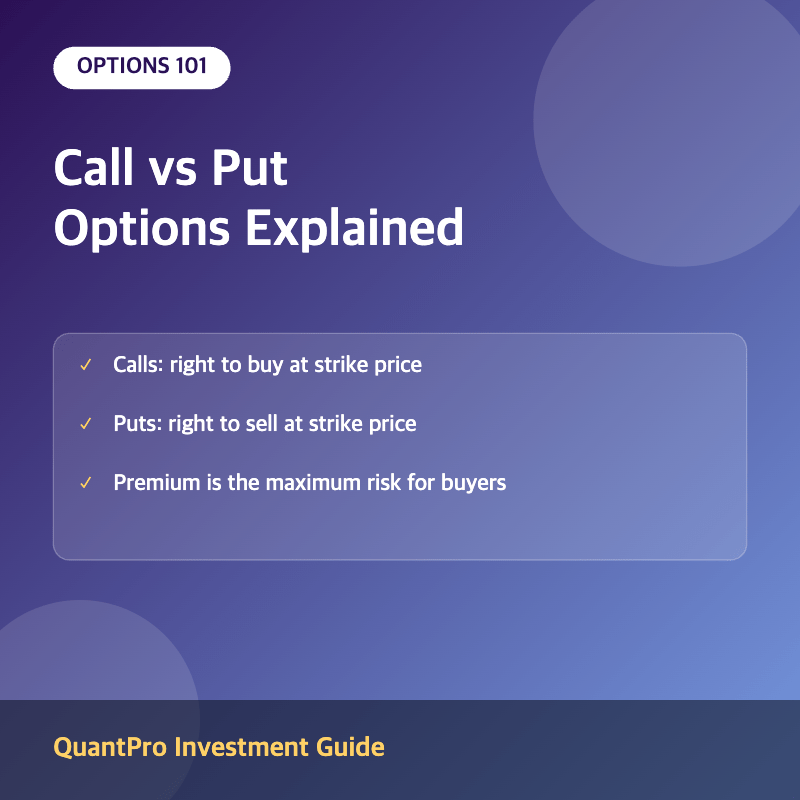
An option is a financial derivative contract that gives the holder the right, but not the obligation, to buy or sell an underlying asset at a predetermined price, known as the strike price, before or on a specific expiration date. The two basic types are call options and put options.
What Is a Call Option?
A call option gives the buyer the right to purchase the underlying asset at the strike price. Traders buy calls when they expect the underlying asset’s price to rise, since the option gains value as the stock price moves above the strike price.
What Is a Put Option?
A put option gives the buyer the right to sell the underlying asset at the strike price. Traders buy puts when they expect the underlying asset’s price to fall, since the option gains value as the stock price moves below the strike price.
Call vs. Put: Key Differences
| Feature | Call Option | Put Option |
|---|---|---|
| Right Granted | Buy underlying asset | Sell underlying asset |
| Bullish or Bearish View | Bullish (expects price rise) | Bearish (expects price fall) |
| Buyer Profits When | Price rises above strike + premium | Price falls below strike – premium |
| Maximum Loss (Buyer) | Premium paid | Premium paid |
| Maximum Gain (Buyer) | Theoretically unlimited | Limited to strike price minus premium |
Premiums and Strike Price
The premium is the price paid to purchase an option, determined by factors including the underlying asset’s price, strike price, time until expiration, volatility, and interest rates, commonly modeled using the Black-Scholes pricing model.
Risk Considerations
Buying options limits risk to the premium paid, but selling (writing) options can expose traders to significant or even unlimited losses if the market moves against the position, making option selling generally riskier than option buying.
Frequently Asked Questions
What happens if an option expires worthless?
If an option expires out-of-the-money, meaning it would not be profitable to exercise, it expires worthless and the buyer loses the entire premium paid, while the seller keeps the premium as profit.
Can I lose more than the premium when buying an option?
No. When buying a call or put option, the maximum loss is limited to the premium paid, regardless of how far the underlying asset moves against the position.
What is the difference between American and European options?
American-style options can be exercised any time before expiration, while European-style options can only be exercised on the expiration date itself. Most U.S. equity options are American-style.
Do options pay dividends?
Options themselves do not pay dividends, though the underlying stock’s dividend can affect option pricing, particularly for call options, since the stock price typically drops by the dividend amount on the ex-dividend date.
Key Takeaways
Call options give the right to buy an underlying asset at a set strike price and are used for bullish strategies, while put options give the right to sell and are used for bearish strategies. Both carry defined risk for buyers, limited to the premium paid, while option sellers face potentially larger risks. This article is for informational purposes only and does not constitute investment advice.

QuantPro: AI Finds the Trade Before You Do
From AI-powered chart analysis to real-time market intelligence — everything a serious investor needs, in one platform.
- Automated AI chart analysis with precision trend timing
- Bull Radar: real-time visualization of geopolitical & economic shifts
- Live market-moving news and insights, curated for you
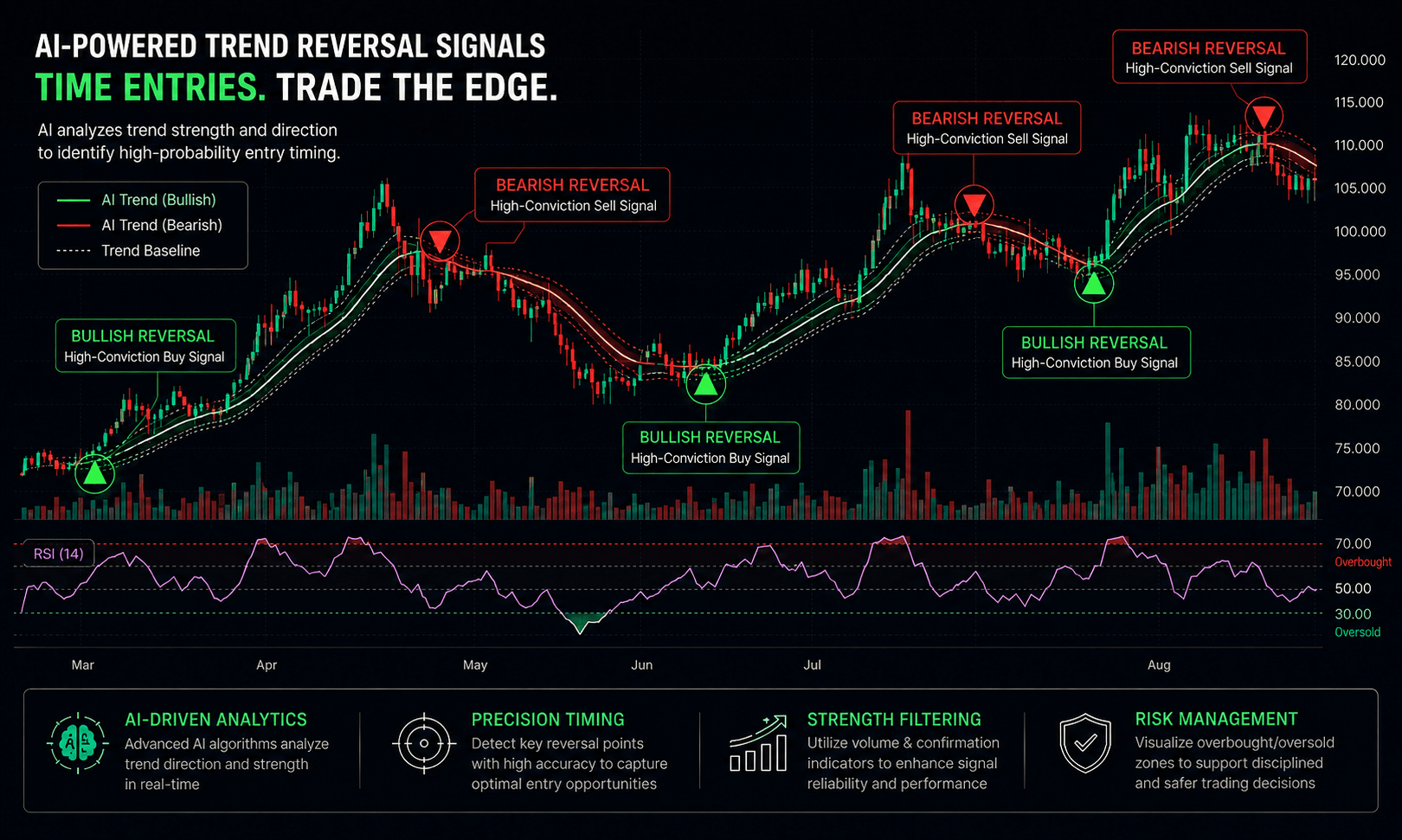
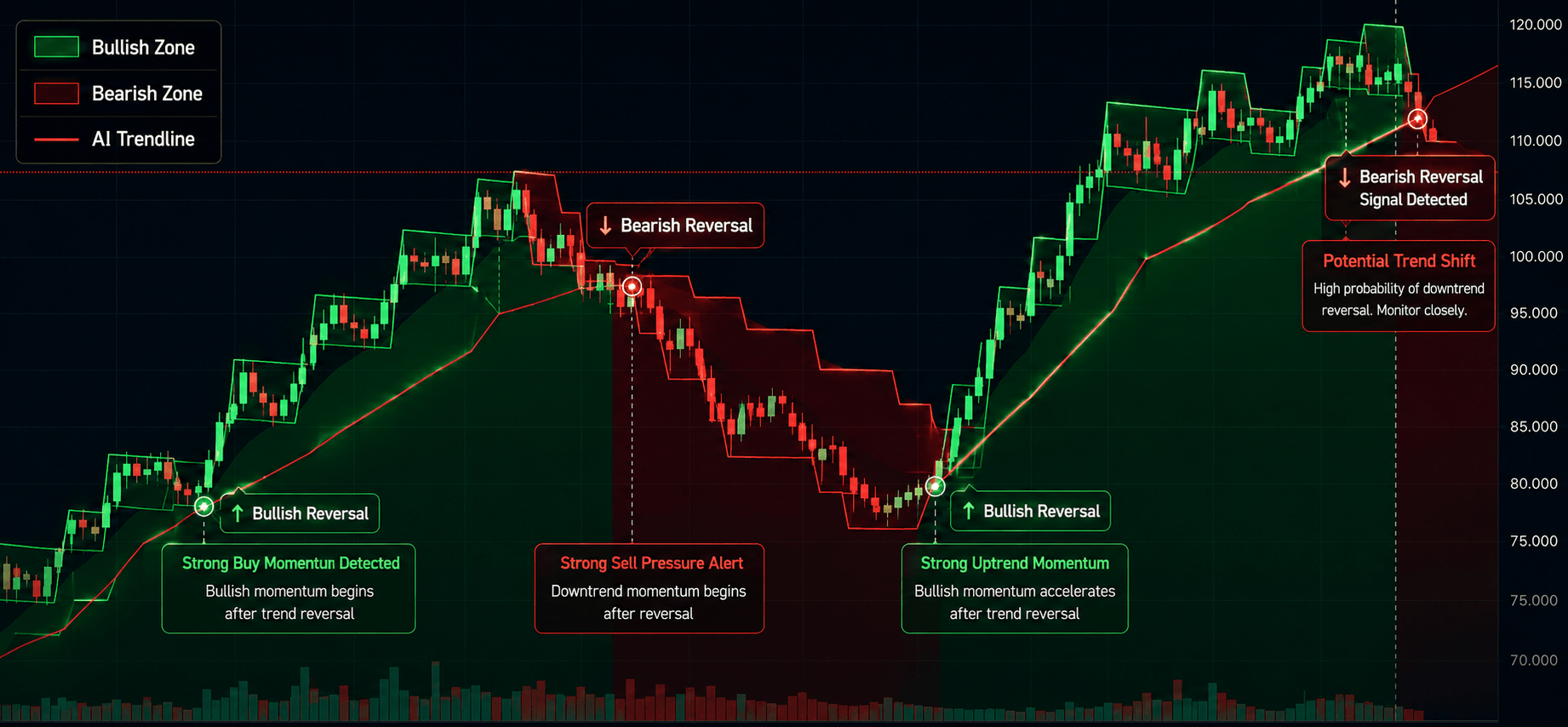
Bull Wave / Bear Wave Forecast Model
Engineered to help you read market direction and momentum faster than the crowd.
- Instantly separate bullish momentum from bearish pressure
- Pinpoint high-probability entry zones with confidence
- Chart signals clear enough for beginners, sharp enough for pros
Winning Pattern Detection
Instantly surfaces the high-probability setups that repeat across the charts — a trusted edge for timing your entries and exits.
- Spot momentum building in real time
- Catch trend-reversal points before they break
- Built for active traders who need results, not theory
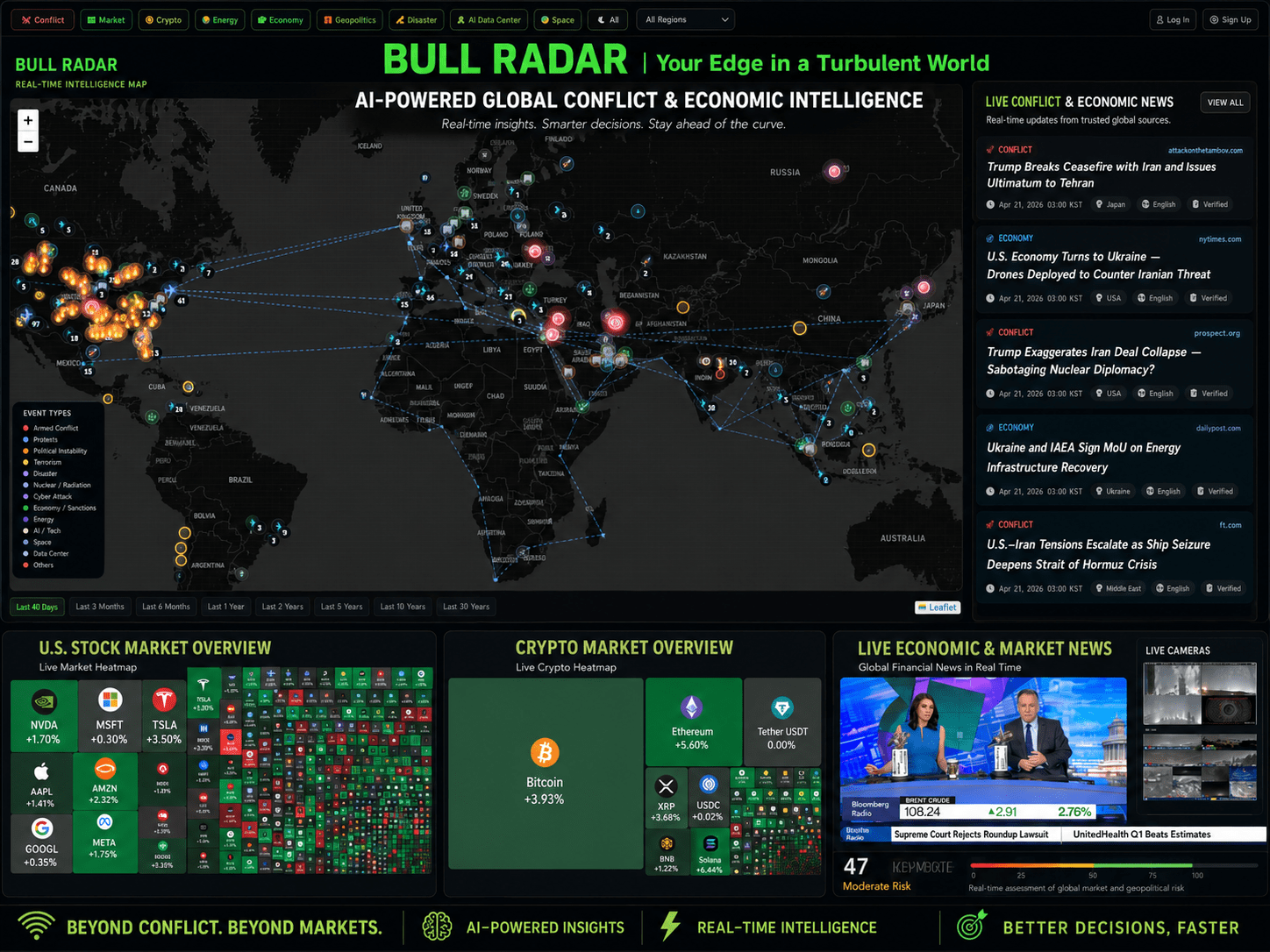
AI Live Economic Dashboard
AI analyzes real-time market data — turning complex, global investment flows into clear insight in seconds.
- Track global stock markets in real time
- See exactly which assets are strong — and which are fading
- Watch how geopolitical events move the markets
About the Author