What Dollar-Cost Averaging Is Meant to Do
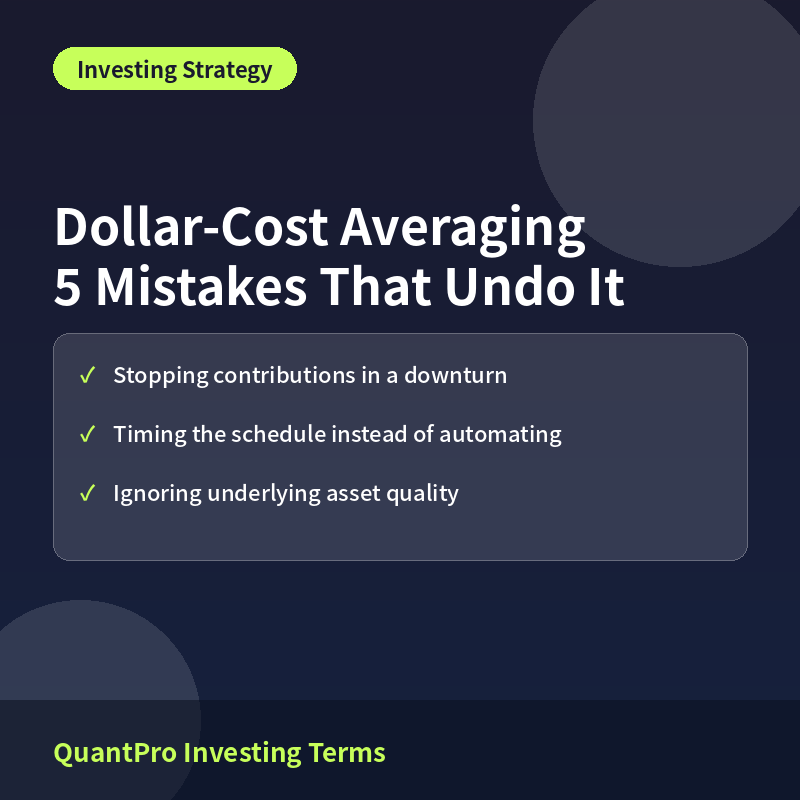
Dollar-cost averaging (DCA) means investing a fixed amount at regular intervals regardless of price, which naturally buys more shares when prices are low and fewer when prices are high. The strategy’s entire value proposition rests on removing the temptation to time the market — which is exactly what several common mistakes end up reintroducing.
Mistake 1: Pausing During a Downturn
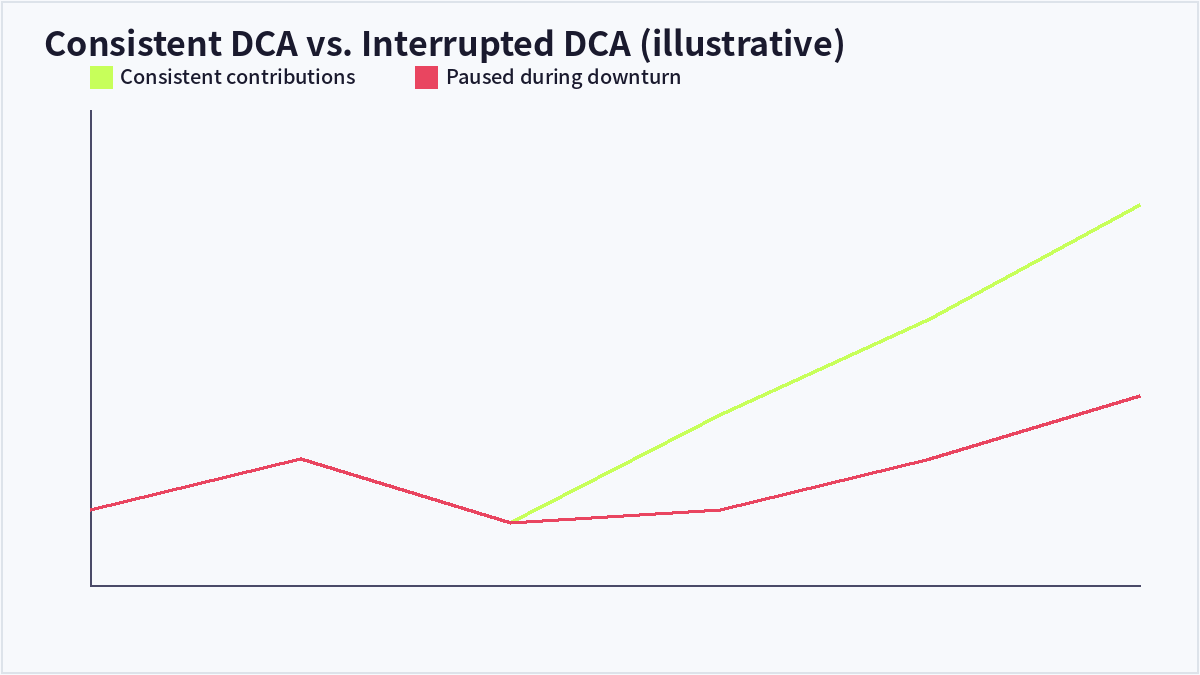
The single most damaging mistake is stopping contributions when the market falls, out of fear that prices will keep dropping. This defeats the entire purpose of DCA, since downturns are precisely when the fixed contribution buys the most shares at the lowest average cost. Investors who pause during drawdowns and only resume after prices recover end up doing the opposite of what DCA is designed to achieve.
Mistake 2: Manually Timing the Schedule
Some investors try to improve on DCA by skipping a scheduled purchase when they personally feel the market is ‘too high,’ then buying extra when they feel it’s ‘cheap.’ This reintroduces market-timing judgment calls into a strategy whose main advantage is removing them. Automating contributions so they happen without requiring a decision each time preserves the discipline that makes DCA effective.
Mistake 3: Applying DCA to a Fundamentally Weak Asset
Dollar-cost averaging smooths out entry price volatility, but it does nothing to protect against buying a fundamentally deteriorating company or fund. Averaging down into a business with structurally declining earnings just accumulates a larger position in a bad investment at a slightly lower average cost — DCA manages timing risk, not business risk.
| Mistake | Why It Hurts | Better Approach |
|---|---|---|
| Pausing in downturns | Misses lowest-cost purchases | Automate and keep contributing |
| Manual timing overrides | Reintroduces market-timing risk | Fixed schedule, no discretion |
| DCA into weak fundamentals | Averages down on a bad asset | Screen quality before committing to DCA |
Frequently Asked Questions
Is dollar-cost averaging always better than investing a lump sum?
Historical studies generally show a lump sum invested immediately outperforms DCA over long horizons in markets that trend upward over time, since more money is exposed to growth sooner. DCA’s main benefit is psychological and risk-management — reducing the regret of a single bad entry point — rather than a guaranteed higher return.
How often should DCA contributions be made?
Monthly is the most common interval since it aligns with typical paychecks, but weekly or quarterly schedules work too. What matters most is consistency, not the specific frequency chosen.
Does DCA work for individual stocks or only diversified funds?
It can technically be applied to any asset, but it’s most defensible for diversified index funds or ETFs, where the underlying basket is unlikely to permanently impair in value. Applying DCA to a single volatile stock still carries full company-specific risk that averaging the entry price alone cannot offset.
Should DCA contributions increase over time?
Many investors gradually increase their contribution amount as income grows, which is a reasonable adjustment. The key mistake to avoid is decreasing or pausing contributions specifically because of short-term price declines.
Key Takeaways
Dollar-cost averaging only delivers its intended benefit — buying more shares when prices are low — if contributions continue on a fixed schedule through downturns and are applied to fundamentally sound assets, rather than being paused or manually timed based on short-term market feelings. This article is for informational purposes only and does not constitute investment advice.

QuantPro: AI Finds the Trade Before You Do
From AI-powered chart analysis to real-time market intelligence — everything a serious investor needs, in one platform.
- Automated AI chart analysis with precision trend timing
- Bull Radar: real-time visualization of geopolitical & economic shifts
- Live market-moving news and insights, curated for you
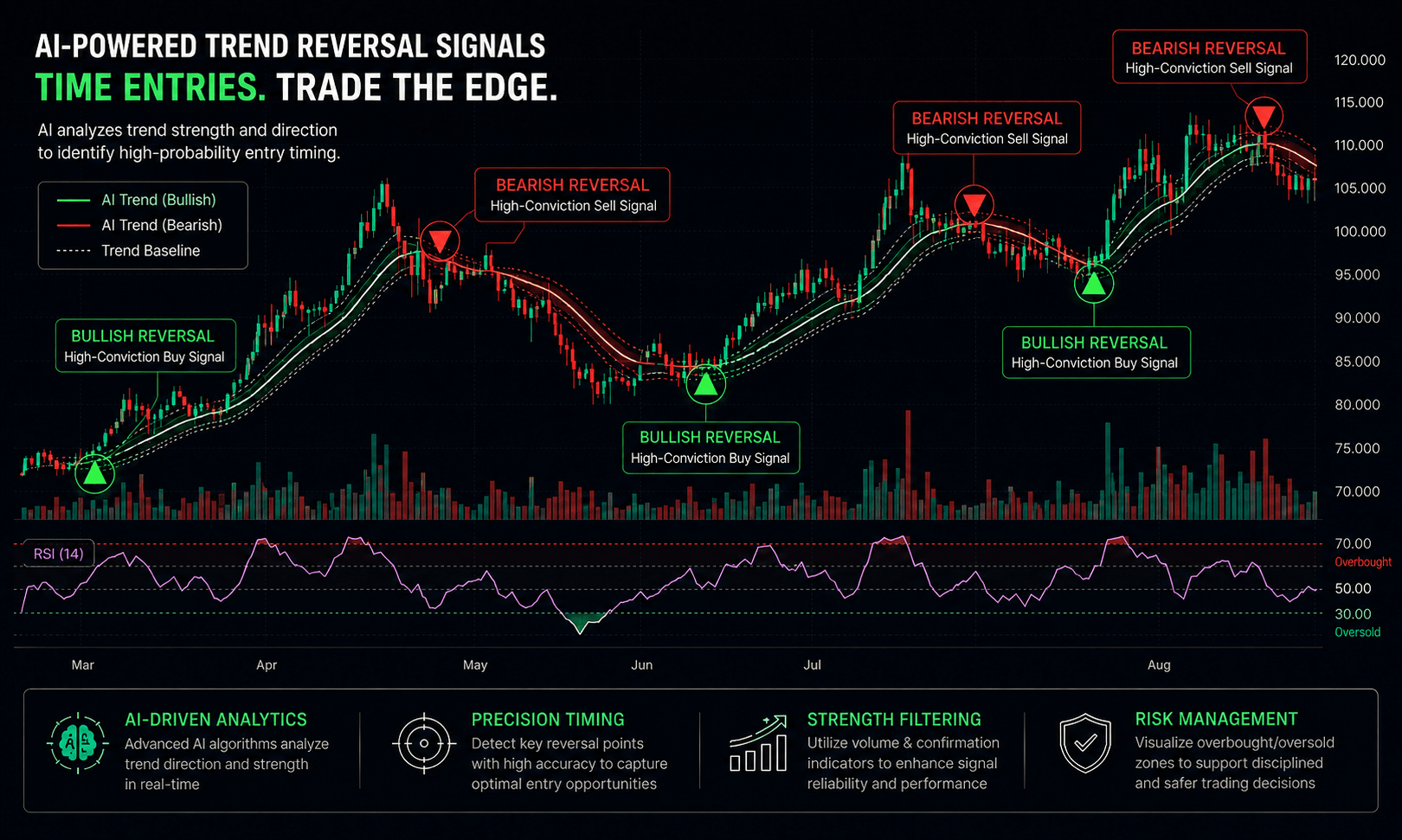
Bull Wave / Bear Wave Forecast Model
Engineered to help you read market direction and momentum faster than the crowd.
- Instantly separate bullish momentum from bearish pressure
- Pinpoint high-probability entry zones with confidence
- Chart signals clear enough for beginners, sharp enough for pros
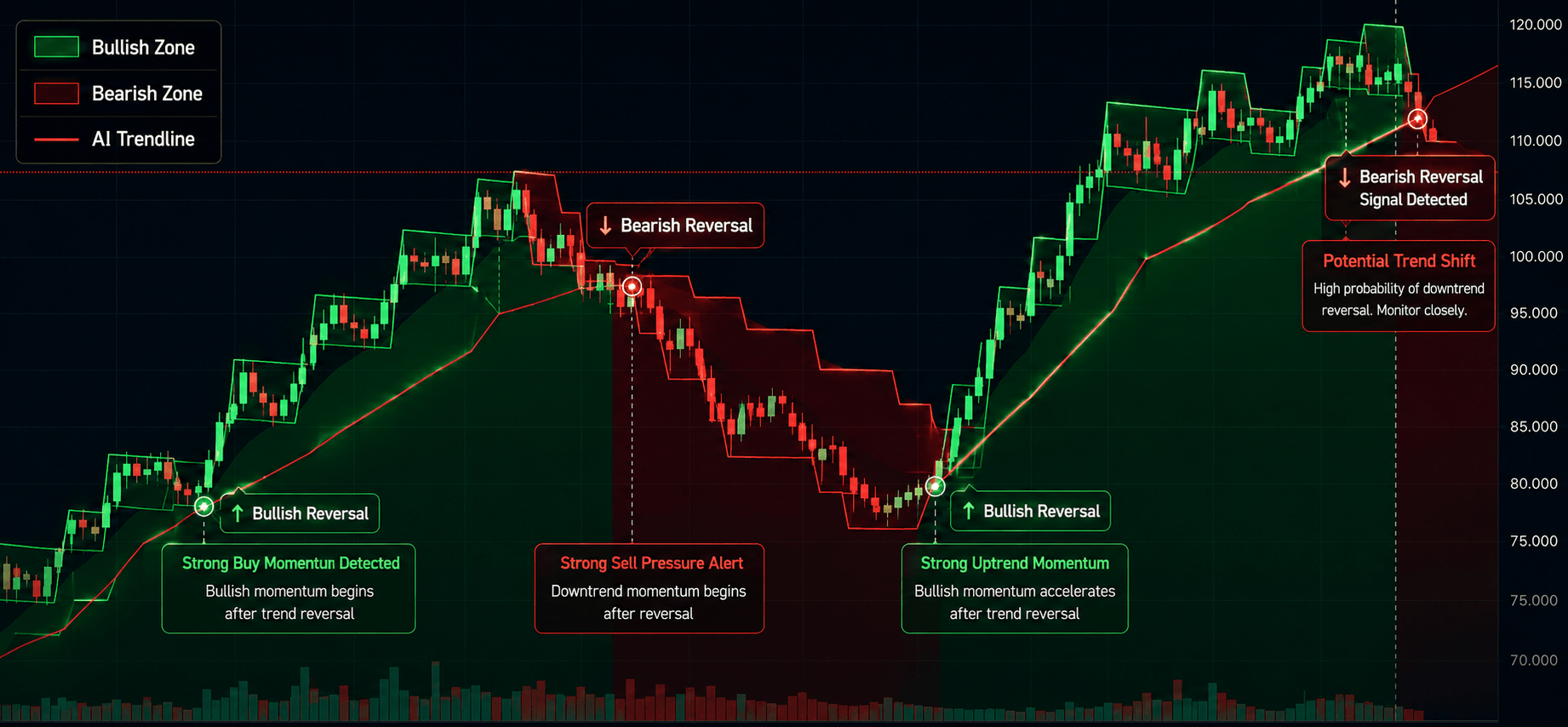
Winning Pattern Detection
Instantly surfaces the high-probability setups that repeat across the charts — a trusted edge for timing your entries and exits.
- Spot momentum building in real time
- Catch trend-reversal points before they break
- Built for active traders who need results, not theory
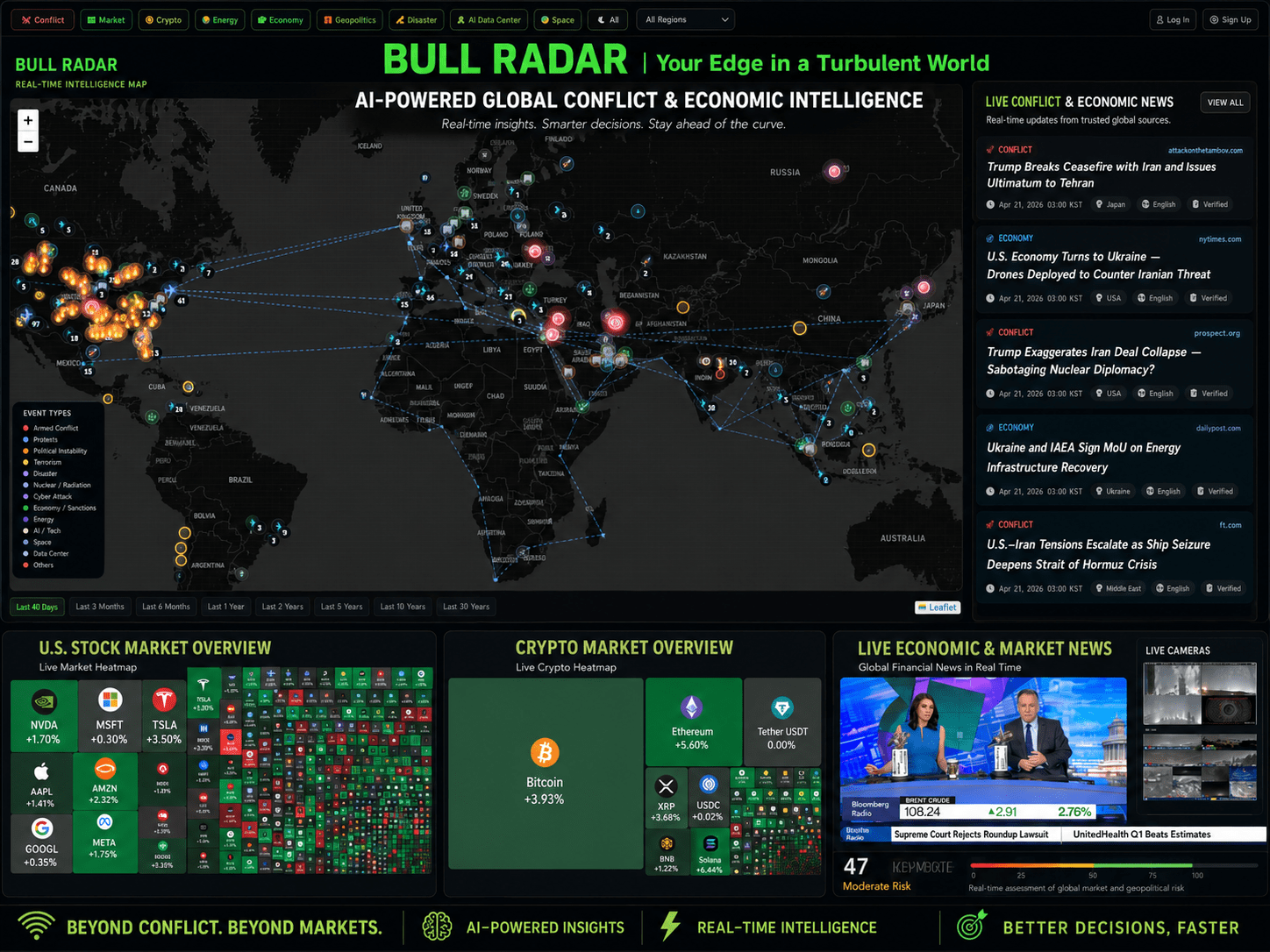
AI Live Economic Dashboard
AI analyzes real-time market data — turning complex, global investment flows into clear insight in seconds.
- Track global stock markets in real time
- See exactly which assets are strong — and which are fading
- Watch how geopolitical events move the markets
About the Author