Definitions
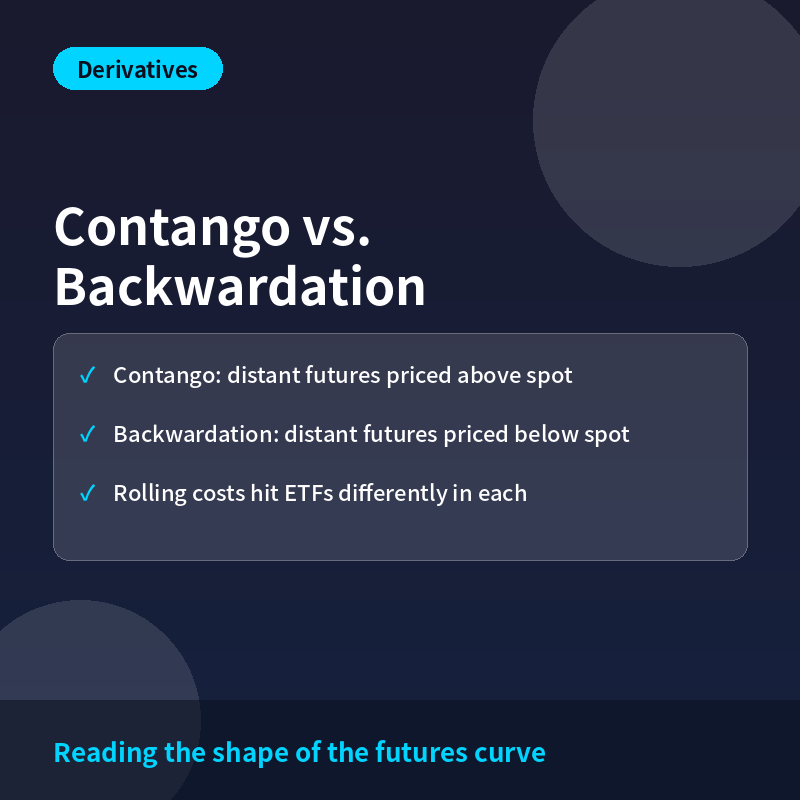
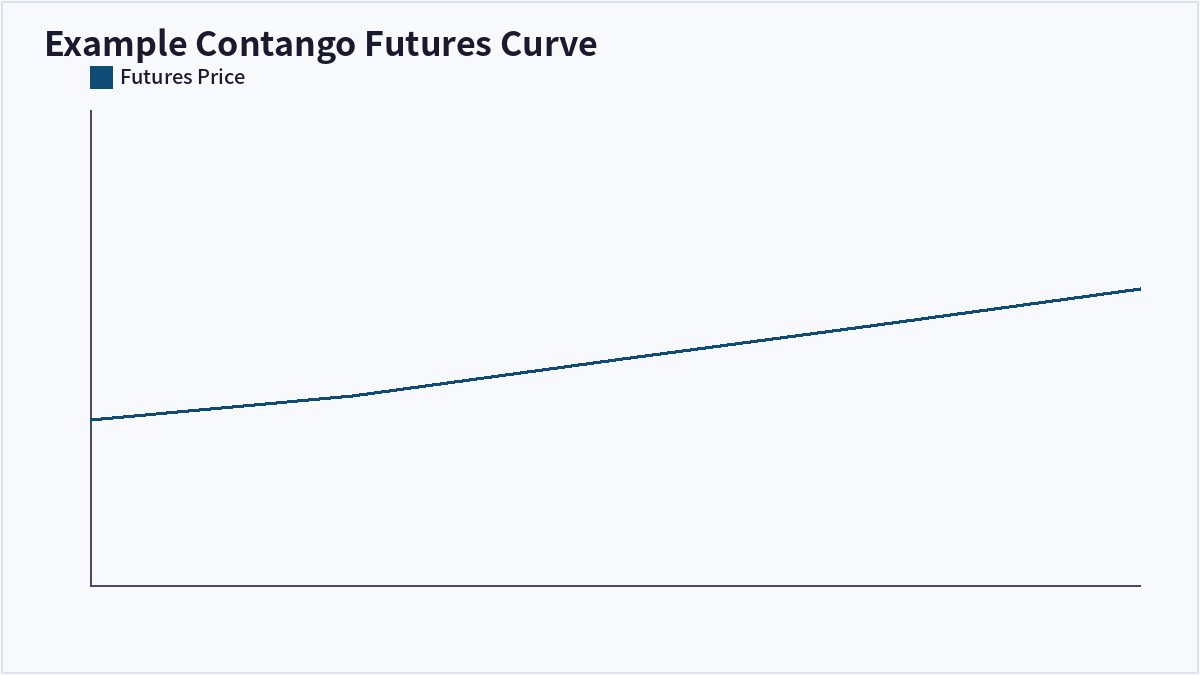
Contango describes a futures market where contracts with later expiration dates trade at higher prices than contracts expiring sooner, or than the current spot price.
Backwardation is the opposite structure, where longer-dated futures contracts trade below near-term contracts or the spot price.
Why Each Structure Emerges
Contango often reflects storage costs, insurance, and financing costs baked into future delivery prices when supply is ample and inventories are comfortable.
Backwardation tends to appear when near-term supply is tight or demand is unusually urgent, pushing buyers to pay a premium for immediate delivery relative to future delivery.
Why It Matters to Investors
Commodity futures ETFs must regularly roll expiring contracts into new ones; in a contango market this roll typically sells low and buys high, creating a drag that can cause the ETF to underperform the spot commodity price over time.
Contango vs. Backwardation Compared
The roll effect on long-term holders runs in opposite directions depending on which structure is in place.
| Aspect | Contango | Backwardation |
|---|---|---|
| Price structure | Distant futures > near-term/spot | Distant futures < near-term/spot |
| Typical conditions | Ample supply, stable inventories | Tight supply, urgent demand |
| Roll effect on long-term ETF holders | Cost drag (return headwind) | Roll yield benefit (return tailwind) |
| Common example | Extended periods in oil ETFs | Certain grain and energy shortage episodes |
Frequently Asked Questions
Should I avoid commodity ETFs during contango?
Not necessarily, but persistent contango can mean an ETF underperforms the spot commodity’s price over time due to the cumulative cost of rolling contracts.
Is a market always in one state permanently?
No, supply and demand conditions shift, so the same commodity can move between contango and backwardation at different points in time.
Do stock index futures show contango too?
Yes, factoring in dividends and interest rates, equity index futures can display contango or backwardation, though usually less pronounced than commodities.
Is backwardation always a good sign?
It can boost roll returns, but it may also reflect supply shortages or geopolitical risk, so the underlying cause is worth examining.
Key Takeaways
Contango and backwardation reflect the supply, demand, and cost dynamics embedded in futures curves, and understanding which structure is in place is essential for anyone holding commodity futures ETFs long term. This article is for informational purposes only and does not constitute investment advice.

QuantPro: AI Finds the Trade Before You Do
From AI-powered chart analysis to real-time market intelligence — everything a serious investor needs, in one platform.
- Automated AI chart analysis with precision trend timing
- Bull Radar: real-time visualization of geopolitical & economic shifts
- Live market-moving news and insights, curated for you
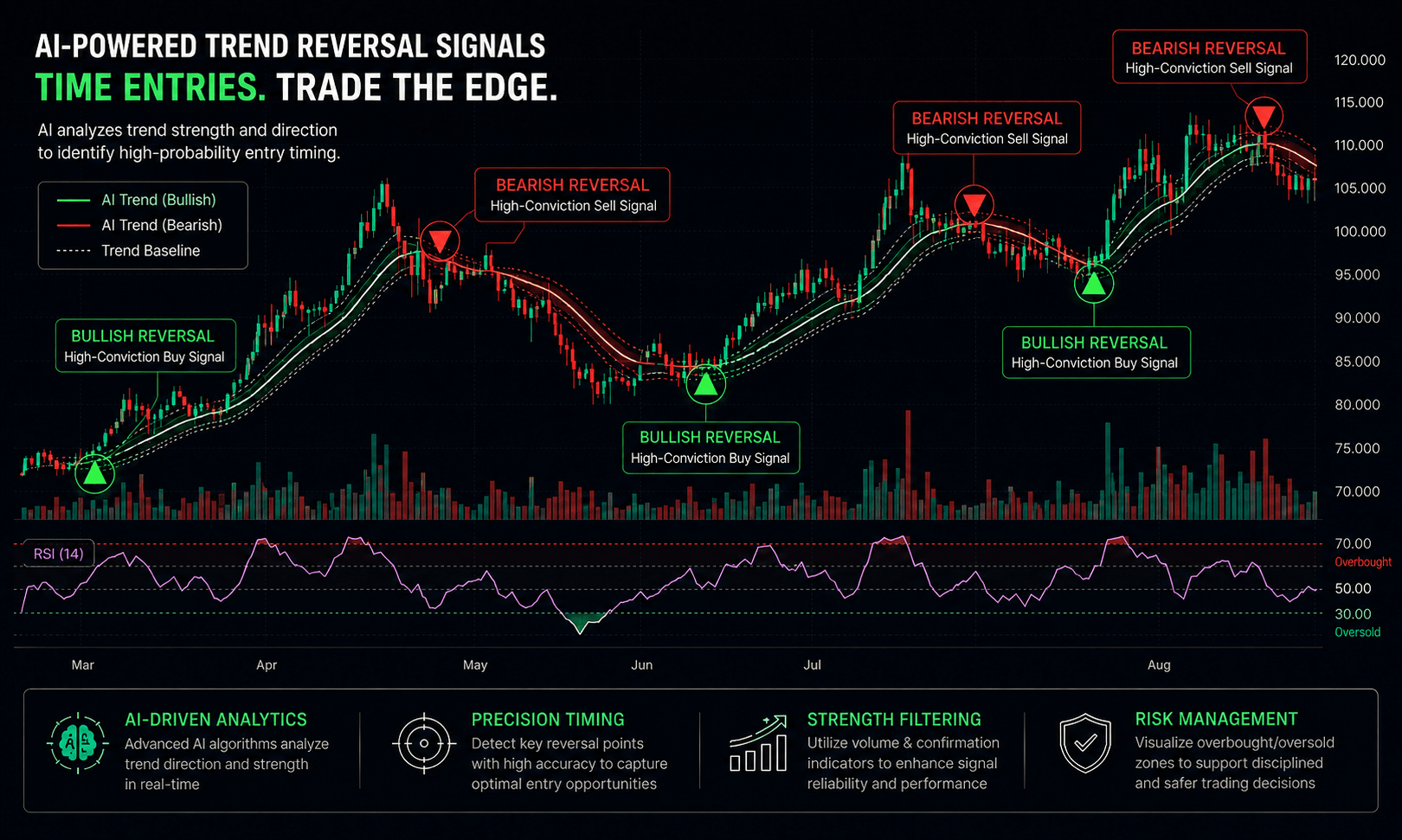
Bull Wave / Bear Wave Forecast Model
Engineered to help you read market direction and momentum faster than the crowd.
- Instantly separate bullish momentum from bearish pressure
- Pinpoint high-probability entry zones with confidence
- Chart signals clear enough for beginners, sharp enough for pros
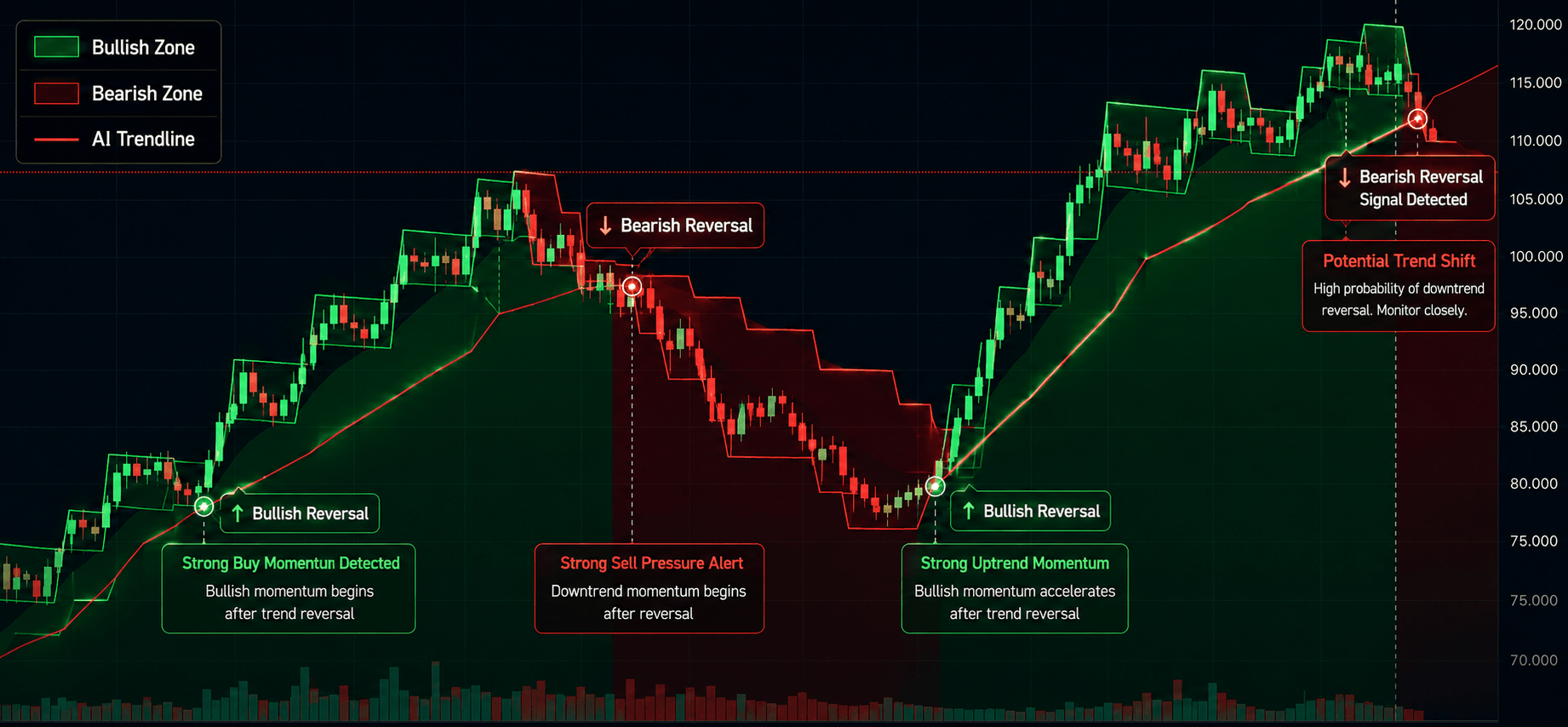
Winning Pattern Detection
Instantly surfaces the high-probability setups that repeat across the charts — a trusted edge for timing your entries and exits.
- Spot momentum building in real time
- Catch trend-reversal points before they break
- Built for active traders who need results, not theory
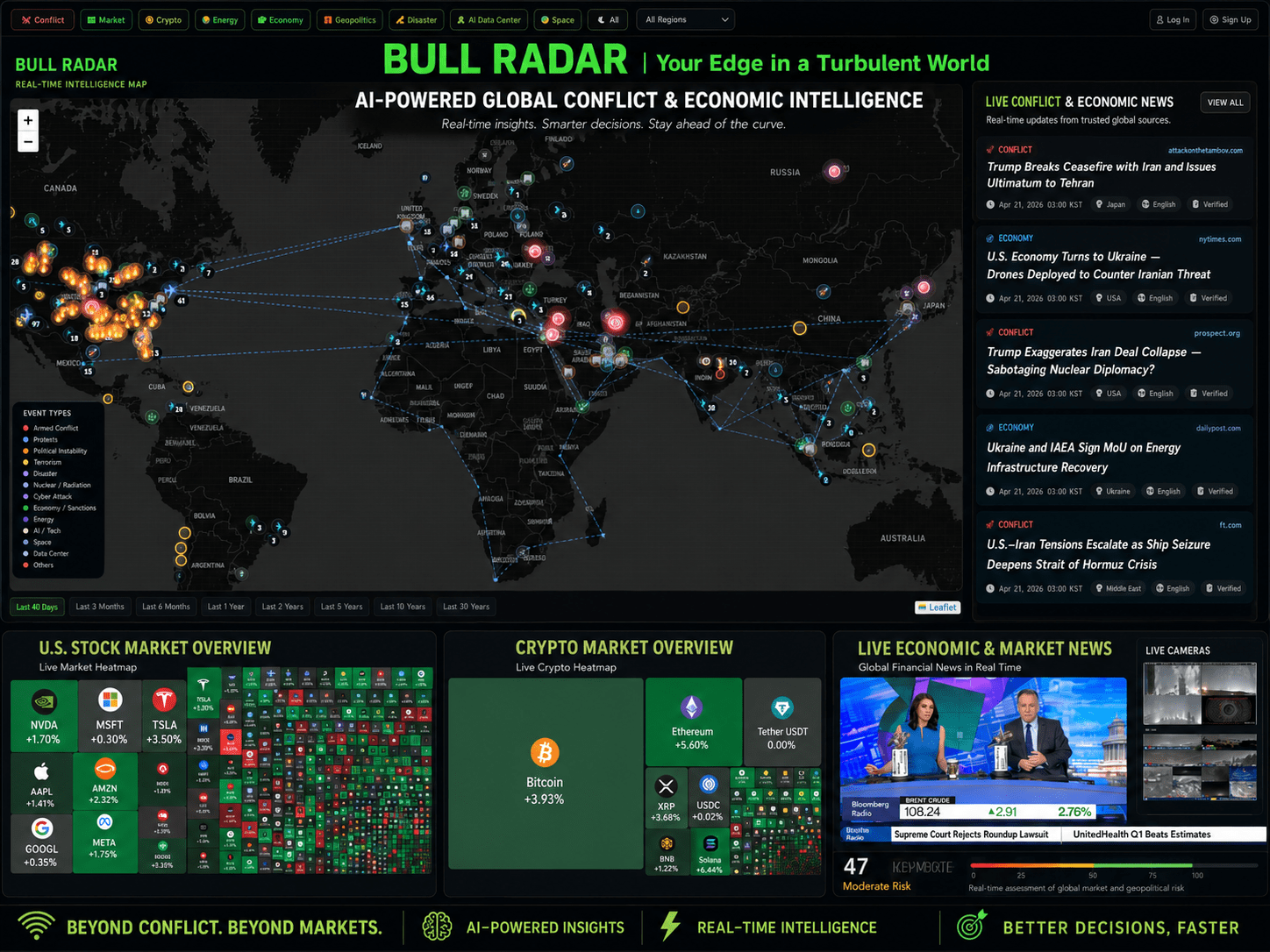
AI Live Economic Dashboard
AI analyzes real-time market data — turning complex, global investment flows into clear insight in seconds.
- Track global stock markets in real time
- See exactly which assets are strong — and which are fading
- Watch how geopolitical events move the markets
About the Author