What Is the Inventory Turnover Ratio?
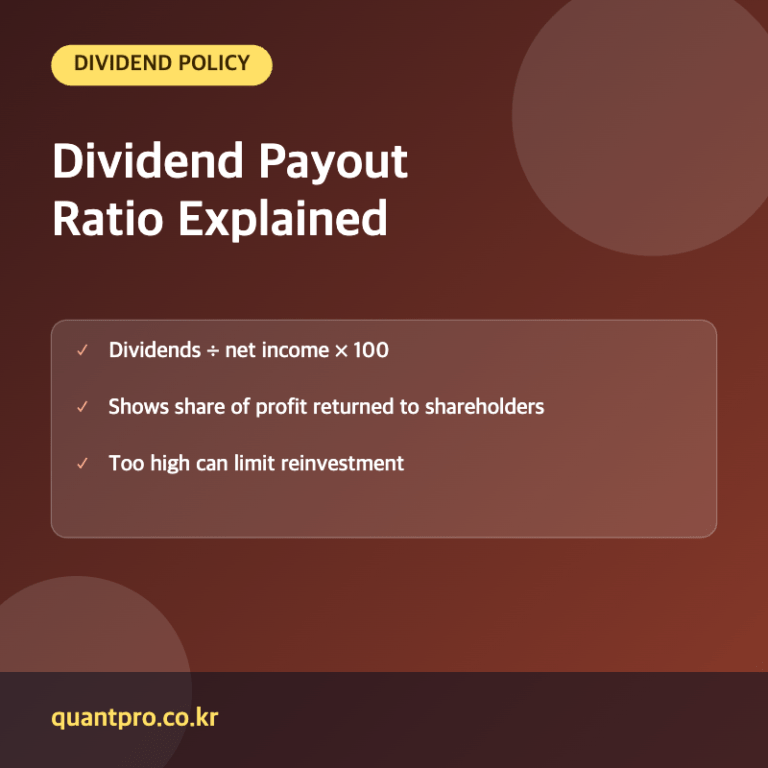
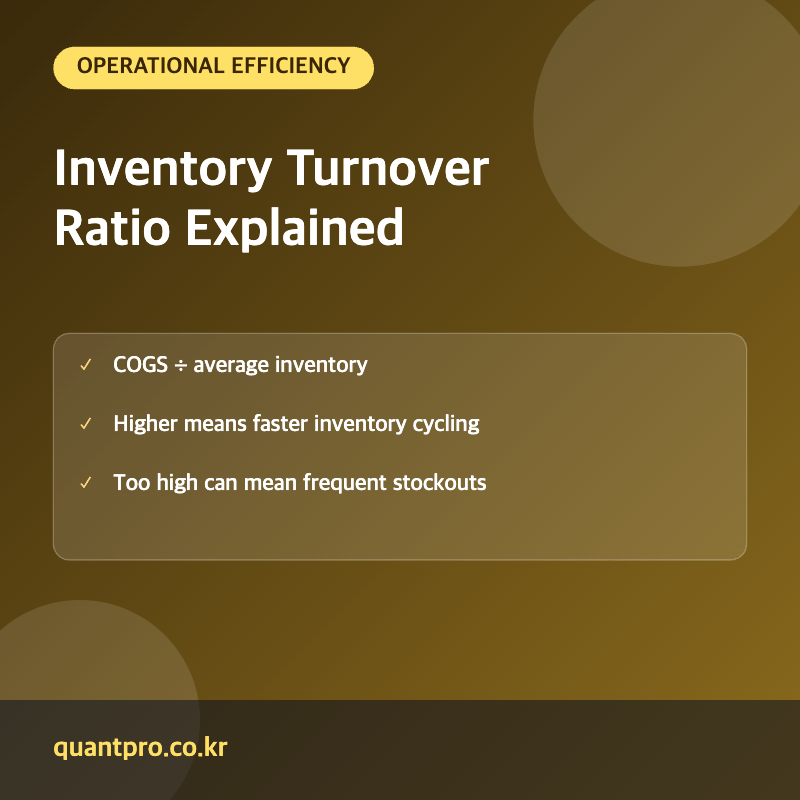
The inventory turnover ratio measures how many times a company sells and replaces its inventory over a given period. The formula is Cost of Goods Sold ÷ Average Inventory, and a higher ratio indicates inventory is moving quickly, reflecting efficient inventory management.
Dividing 365 by the inventory turnover ratio yields “days inventory outstanding,” which shows how many days on average inventory sits before being sold — a metric commonly used alongside turnover in practice.
Why Inventory Turnover Matters
A low inventory turnover ratio suggests inventory is sitting in warehouses for extended periods, which can increase storage costs, raise the risk of obsolescence, and tie up capital that could otherwise be deployed elsewhere. On the other hand, an excessively high ratio may indicate the company is running too lean, risking stockouts and lost sales during demand spikes.
Inventory Turnover Across Industries
Industries with fast-moving goods, like grocery and fast fashion, typically show very high inventory turnover, while heavy industry and luxury goods manufacturers — which deal with long production cycles and high unit costs — tend to have much lower turnover ratios.
| Industry | Typical Inventory Turnover | Key Characteristic |
|---|---|---|
| Grocery/Retail | Very high (10x or more) | Freshness requirements demand fast cycling |
| General Manufacturing | Moderate (4x–8x) | Inventory levels tied to production planning |
| Heavy Industry/Luxury | Low (1x–3x) | Long production cycles, high-value units |
Frequently Asked Questions
What problems arise from a low inventory turnover ratio?
Inventory sitting idle for long periods increases storage costs, raises the risk of product obsolescence or value decline, and ties up cash that reduces a company’s financial flexibility.
Is a very high inventory turnover ratio always good?
Not necessarily. An excessively high ratio can signal that inventory levels are kept too lean, leading to frequent stockouts and missed sales opportunities, so maintaining an appropriate inventory level matters.
How does inventory turnover differ from asset turnover?
Asset turnover measures revenue efficiency across a company’s entire asset base, while inventory turnover focuses specifically on inventory, offering a more detailed view of operational efficiency, particularly for retail and manufacturing businesses.
Where can I find the data to calculate inventory turnover?
Cost of goods sold is found on the income statement, and inventory figures are found on the balance sheet, both of which are needed to calculate this ratio directly, or it can be found via research platforms.
Key Takeaways
The inventory turnover ratio shows how quickly inventory is sold and replenished, and maintaining an appropriate level relative to industry norms is important for both inventory management efficiency and cash flow management. This article is for informational purposes only and does not constitute investment advice.

QuantPro: AI Finds the Trade Before You Do
From AI-powered chart analysis to real-time market intelligence — everything a serious investor needs, in one platform.
- Automated AI chart analysis with precision trend timing
- Bull Radar: real-time visualization of geopolitical & economic shifts
- Live market-moving news and insights, curated for you
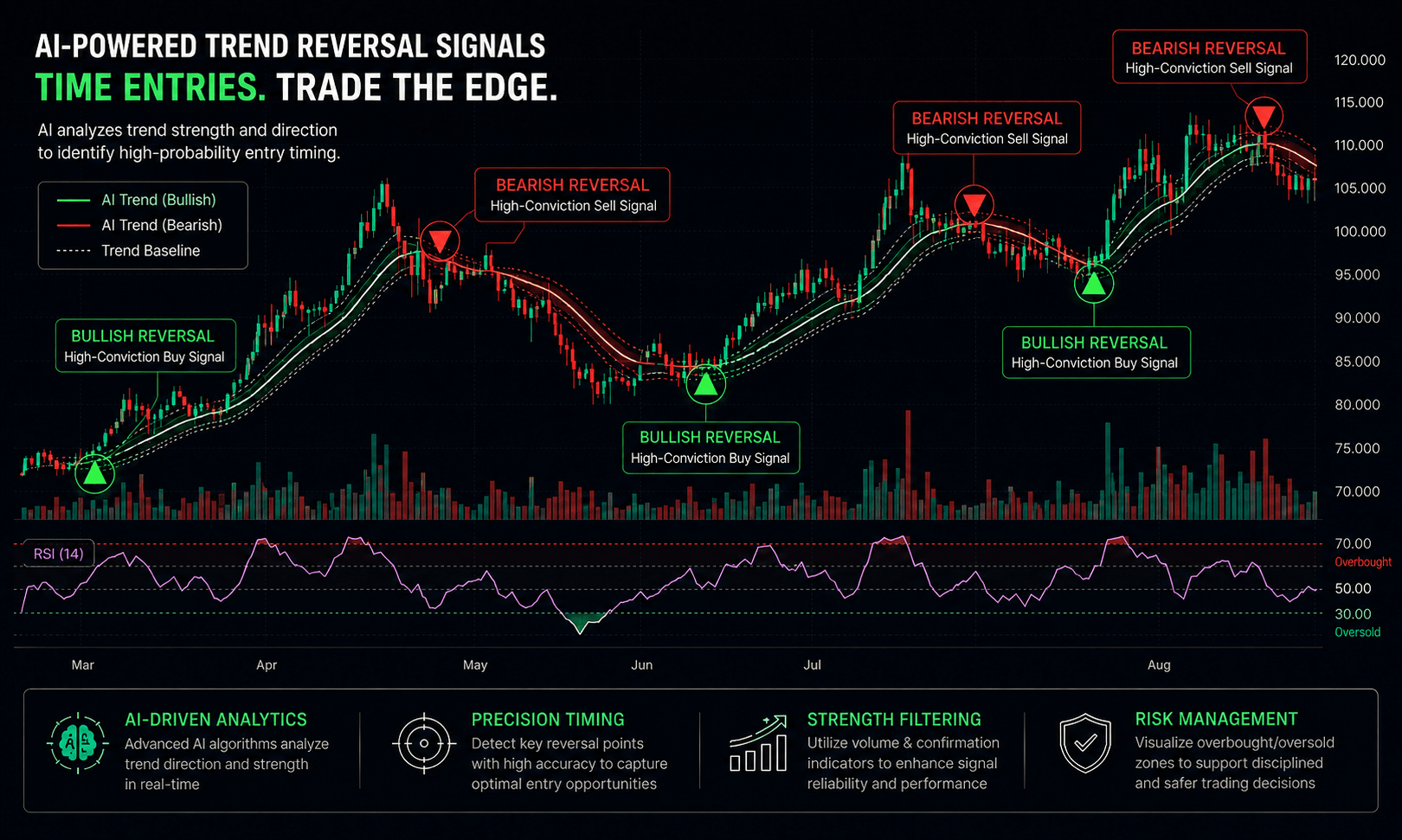
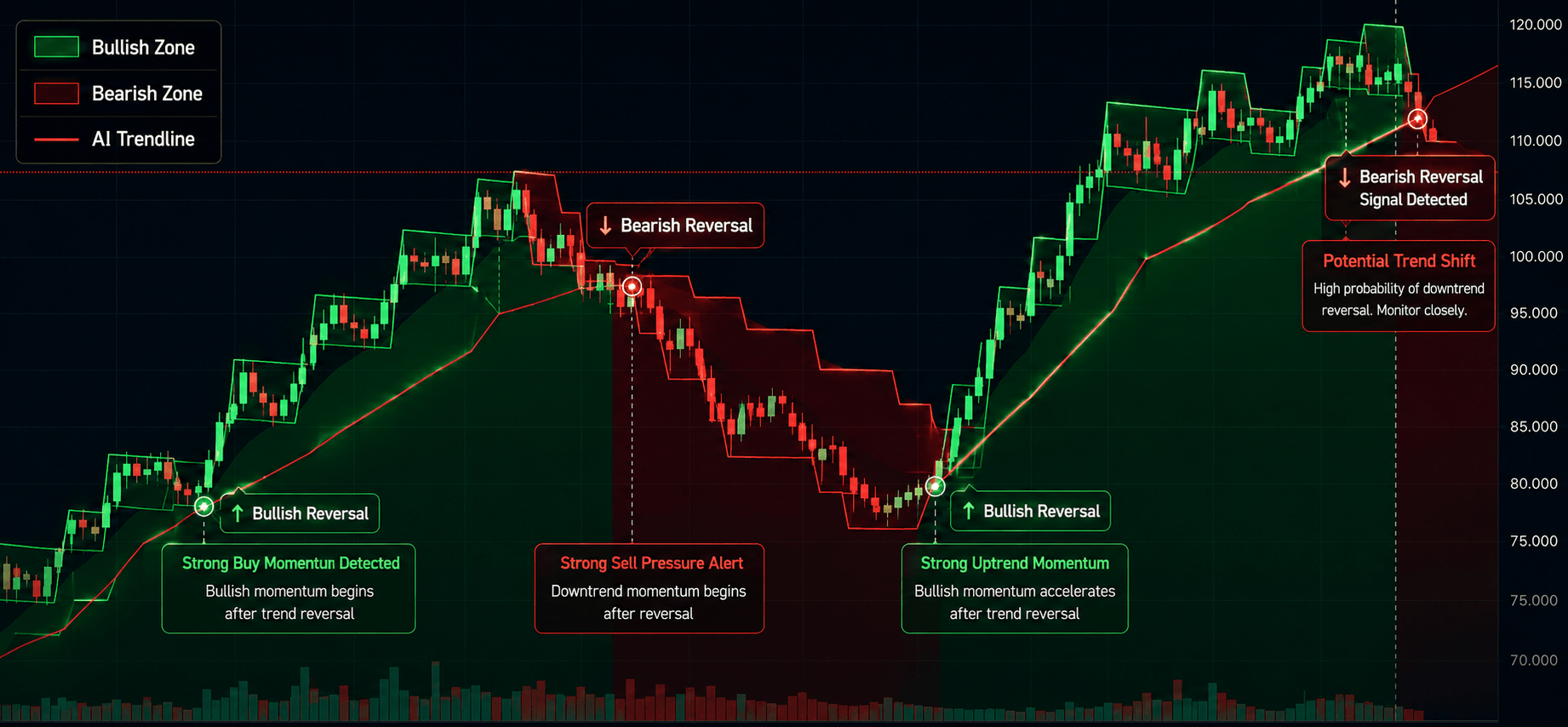
Bull Wave / Bear Wave Forecast Model
Engineered to help you read market direction and momentum faster than the crowd.
- Instantly separate bullish momentum from bearish pressure
- Pinpoint high-probability entry zones with confidence
- Chart signals clear enough for beginners, sharp enough for pros
Winning Pattern Detection
Instantly surfaces the high-probability setups that repeat across the charts — a trusted edge for timing your entries and exits.
- Spot momentum building in real time
- Catch trend-reversal points before they break
- Built for active traders who need results, not theory

AI Live Economic Dashboard
AI analyzes real-time market data — turning complex, global investment flows into clear insight in seconds.
- Track global stock markets in real time
- See exactly which assets are strong — and which are fading
- Watch how geopolitical events move the markets
About the Author