What Is Portfolio Diversification?
Portfolio diversification is an investment strategy that spreads capital across a variety of assets — different companies, sectors, geographies, or asset classes — to reduce the impact any single investment’s poor performance has on the overall portfolio. The core principle rests on combining assets that don’t move in perfect sync with each other, so losses in one holding can be offset by stability or gains in others.
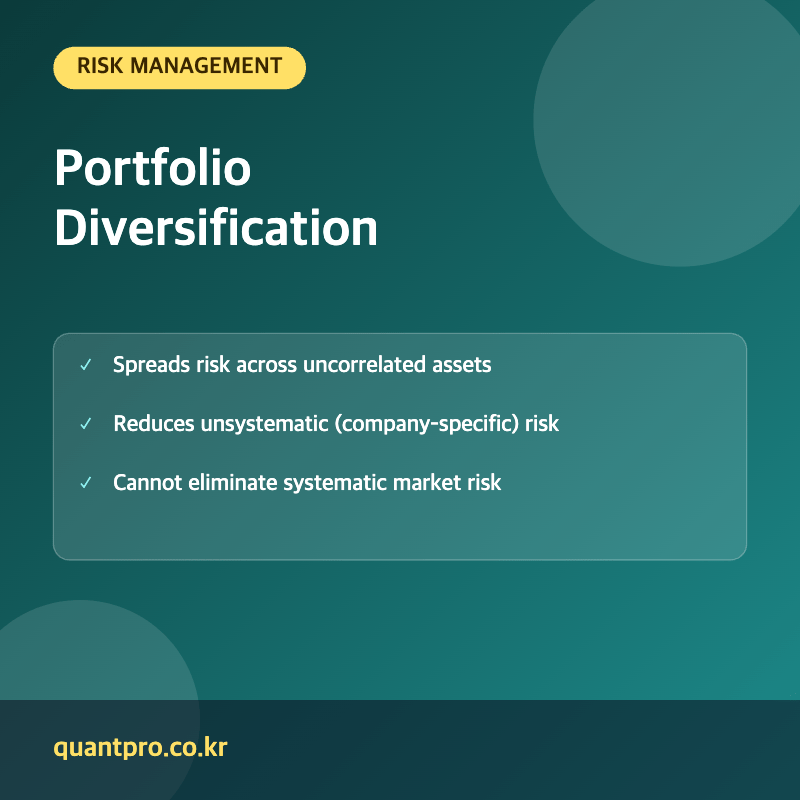
Diversification works because it reduces unsystematic risk — the risk specific to an individual company or industry, such as a product recall or a management scandal — which can largely be eliminated by holding a sufficiently broad mix of investments.
Systematic vs. Unsystematic Risk
Unsystematic risk, also called diversifiable risk, stems from factors specific to a single company or sector and can be reduced by spreading investments across many different holdings. Systematic risk, also called market risk, comes from broad economic factors like interest rates, inflation, or recessions that affect nearly all investments simultaneously, and diversification cannot eliminate this type of risk.
How Much Diversification Is Enough?
Research suggests that holding a relatively modest number of stocks across different sectors can eliminate most unsystematic risk, with diminishing benefits from adding many more individual holdings beyond that point. True diversification also extends beyond just owning many stocks — it includes spreading investments across asset classes like bonds, real estate, and international markets that don’t move in lockstep with domestic equities.
| Risk Type | Source | Reducible Through Diversification? |
|---|---|---|
| Unsystematic Risk | Company or industry-specific factors | Yes, largely eliminated with sufficient diversification |
| Systematic Risk | Broad economic or market-wide factors | No, affects nearly all assets simultaneously |
| Currency Risk | Exchange rate fluctuations on foreign holdings | Partially, through hedging or balanced currency exposure |
Frequently Asked Questions
Can diversification eliminate all investment risk?
No, diversification can significantly reduce company-specific (unsystematic) risk, but it cannot eliminate systematic market risk that affects the broader economy and most asset classes at the same time.
Is owning many stocks in the same industry considered diversified?
Not effectively — stocks within the same industry tend to be highly correlated and react similarly to industry-specific events, so true diversification requires spreading investments across different sectors and asset classes, not just a large number of holdings.
How does diversification affect expected returns?
Diversification primarily reduces risk rather than boosting returns — a well-diversified portfolio typically produces more stable, predictable outcomes rather than dramatically higher returns than a concentrated portfolio of top performers.
What is the easiest way to diversify a portfolio?
Broad-based index funds or exchange-traded funds (ETFs) that track a wide market index offer instant diversification across many companies and sectors in a single investment, making them a common and cost-effective diversification tool.
Key Takeaways
Portfolio diversification spreads investments across different assets to reduce company-specific risk, though it cannot eliminate broader systematic market risk, and true diversification requires spreading across sectors and asset classes rather than simply holding many similar stocks. This article is for informational purposes only and does not constitute investment advice.

QuantPro: AI Finds the Trade Before You Do
From AI-powered chart analysis to real-time market intelligence — everything a serious investor needs, in one platform.
- Automated AI chart analysis with precision trend timing
- Bull Radar: real-time visualization of geopolitical & economic shifts
- Live market-moving news and insights, curated for you
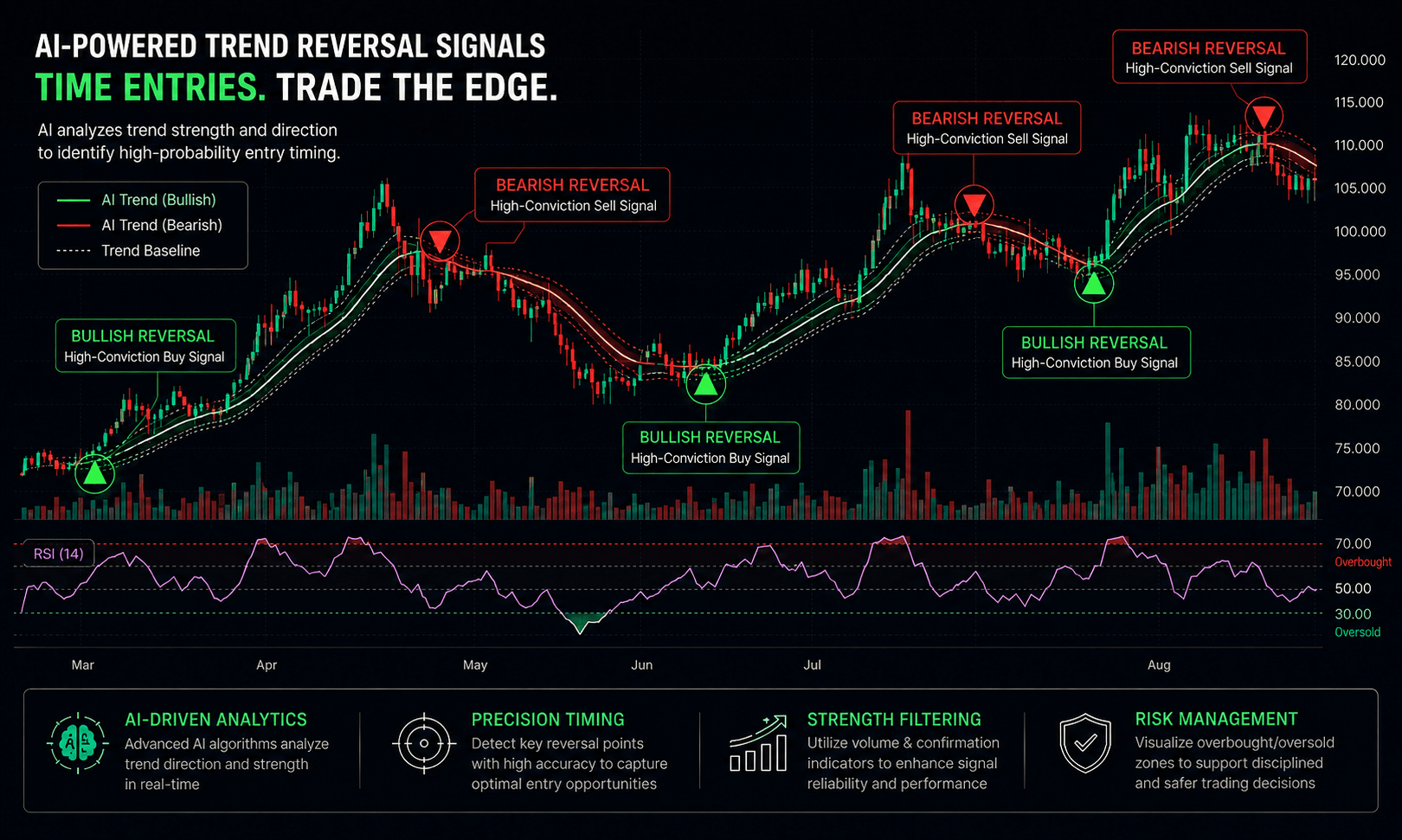
Bull Wave / Bear Wave Forecast Model
Engineered to help you read market direction and momentum faster than the crowd.
- Instantly separate bullish momentum from bearish pressure
- Pinpoint high-probability entry zones with confidence
- Chart signals clear enough for beginners, sharp enough for pros
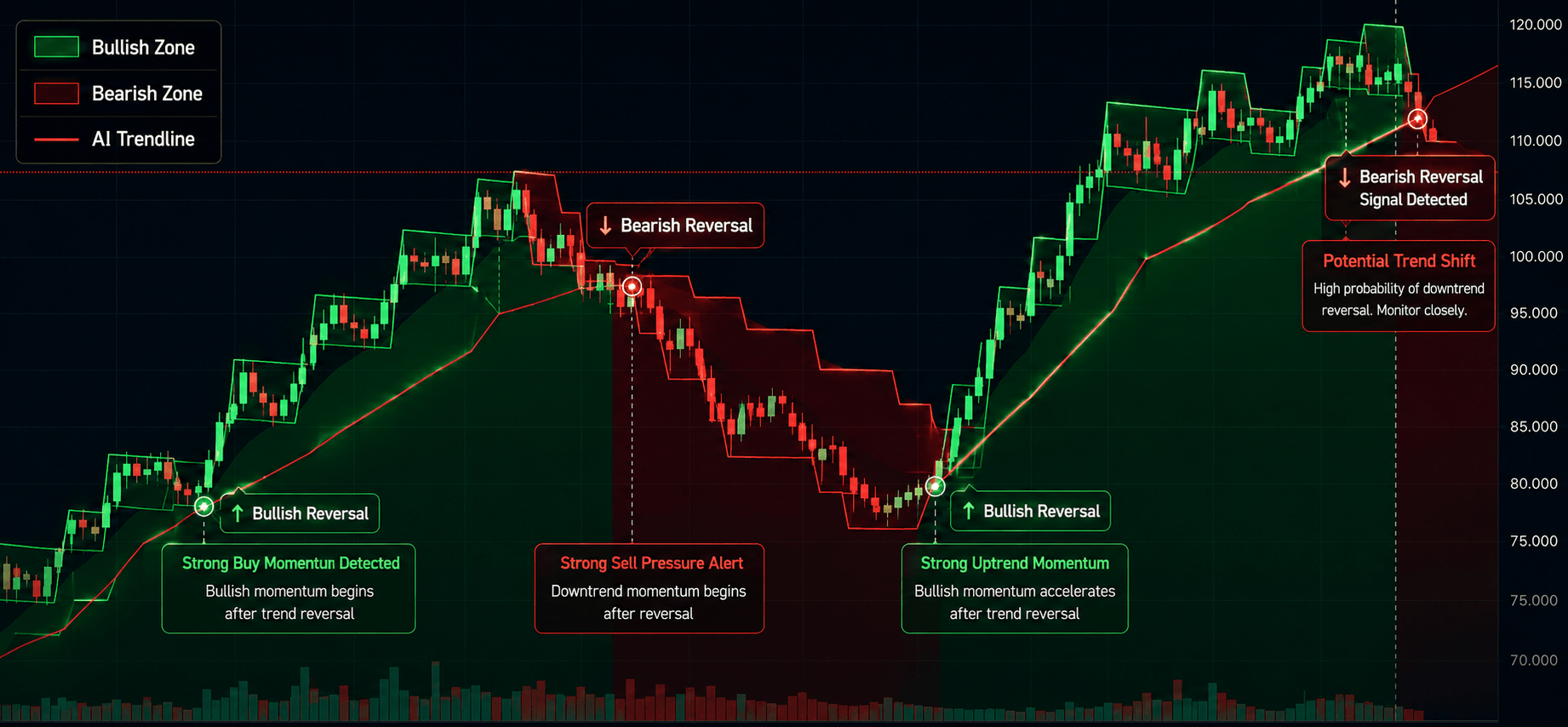
Winning Pattern Detection
Instantly surfaces the high-probability setups that repeat across the charts — a trusted edge for timing your entries and exits.
- Spot momentum building in real time
- Catch trend-reversal points before they break
- Built for active traders who need results, not theory

AI Live Economic Dashboard
AI analyzes real-time market data — turning complex, global investment flows into clear insight in seconds.
- Track global stock markets in real time
- See exactly which assets are strong — and which are fading
- Watch how geopolitical events move the markets
About the Author