What Is the Price-to-Sales (P/S) Ratio?
Definition and Core Concept
The Price-to-Sales (P/S) ratio is a key stock valuation metric that measures a company’s total market capitalization relative to its total annual revenue. Unlike earnings-based valuation tools, the P/S ratio evaluates how much investors are willing to pay for every dollar of sales generated by the business.
Why Revenue Is Used Instead of Net Income
Many fast-growing technology startups and expanding companies reinvest heavily in research and expansion, leaving them with negative net earnings. Because the traditional Price-to-Earnings (P/E) ratio cannot evaluate unprofitable companies, the P/S ratio serves as an effective alternative benchmark by focusing on top-line revenue performance.
How the Price-to-Sales Ratio Is Calculated
The Price-to-Sales Formula
The P/S ratio can be calculated in two ways: by dividing a company’s total market capitalization by its total revenues over the trailing twelve months, or by dividing the current stock price by revenue per share. Both approaches yield identical results for evaluating company valuation.
Practical Calculation Example
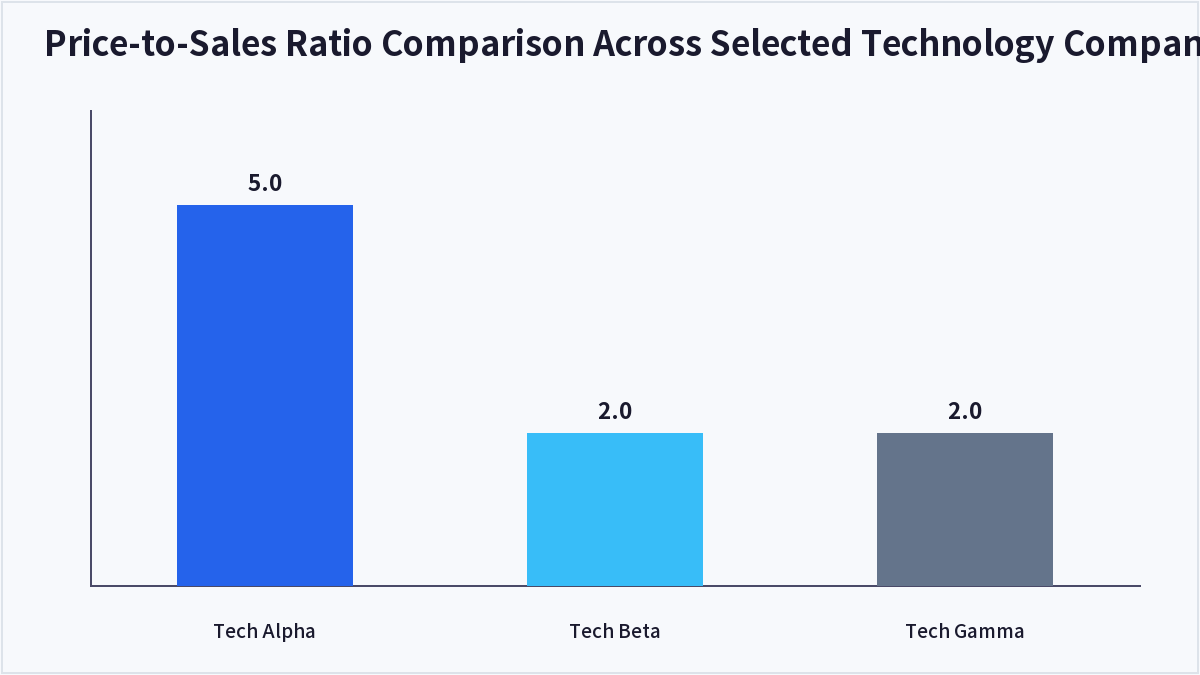
Consider three hypothetical technology firms evaluating their market valuation. Tech Alpha trades at a market capitalization of $100 billion with annual revenue of $20 billion, yielding a P/S ratio of 5.0. Tech Beta holds a market capitalization of $80 billion with annual revenue of $40 billion, resulting in a P/S ratio of 2.0. Tech Gamma maintains a market capitalization of $30 billion with annual revenue of $15 billion, generating a P/S ratio of 2.0.
Why the Price-to-Sales Ratio Matters for Stock Analysis
Valuing Unprofitable High-Growth Stocks
In early-stage and high-growth sectors such as software-as-a-service and biotechnology, net income is frequently negative due to aggressive customer acquisition and research expenditure. The P/S ratio provides a consistent standard for comparing young disruptors against established industry peers.
Resistance to Accounting Adjustments
Net income can be influenced by one-time write-offs, non-cash items, tax credits, and changing depreciation policies. Top-line revenue is significantly harder to manipulate, making the P/S ratio a reliable metric during periods of accounting volatility.
Price-to-Sales Ratio Comparisons with Other Valuation Metrics
P/S Ratio vs P/E Ratio vs P/B Ratio
Each fundamental valuation metric analyzes a distinct financial statement component. While P/E measures bottom-line profitability and P/B measures balance sheet equity, P/S isolates top-line sales strength.
Key Metric Comparison Matrix
The table below illustrates how the Price-to-Sales ratio compares with other traditional equity valuation metrics across accounting focus, primary applicability, and key analytical limitations.
| Metric | Formula | Primary Focus | Best Used For |
|---|---|---|---|
| Price-to-Sales (P/S) | Market Cap / Annual Revenue | Top-Line Revenue | Unprofitable or high-growth firms |
| Price-to-Earnings (P/E) | Market Cap / Net Income | Bottom-Line Profitability | Mature firms with predictable profits |
| Price-to-Book (P/B) | Market Cap / Total Net Assets | Balance Sheet Equity | Asset-heavy firms and financial institutions |
| EV-to-Sales (EV/Sales) | Enterprise Value / Annual Revenue | Total Firm Value vs Revenue | Companies with high debt or cash reserves |
Frequently Asked Questions
What is considered a good Price-to-Sales ratio?
A good P/S ratio varies significantly by industry. Historically, a P/S ratio below 1.0 or 2.0 may indicate value in traditional sectors, while fast-growing software companies often trade at P/S ratios above 10.0 due to high profit margins.
Can a company have a negative P/S ratio?
No, a company cannot have a negative P/S ratio because revenue cannot be less than zero. Even if a business suffers a net loss, its top-line sales remain positive or zero.
What is the main limitation of the Price-to-Sales ratio?
The primary limitation of the P/S ratio is that it completely ignores profit margins and debt levels. A company with high revenue but low margins or excessive debt may look cheap on a P/S basis despite being financially fragile.
How does the Price-to-Sales ratio differ from EV-to-Sales?
The P/S ratio uses market capitalization, which reflects only equity value. EV-to-Sales uses Enterprise Value, accounting for net debt and cash to reflect the total acquisition cost of the business.
Key Takeaways
The Price-to-Sales (P/S) ratio is an essential valuation metric for evaluating high-growth, early-stage, or currently unprofitable companies by focusing on top-line revenue generation. While it provides a clean look at business volume unimpeded by non-operating accounting adjustments, investors should always combine the P/S ratio with profit margin analysis and balance sheet evaluations to build a complete investment thesis. This article is for informational purposes only and does not constitute investment advice.

QuantPro: AI Finds the Trade Before You Do
From AI-powered chart analysis to real-time market intelligence — everything a serious investor needs, in one platform.
- Automated AI chart analysis with precision trend timing
- Bull Radar: real-time visualization of geopolitical & economic shifts
- Live market-moving news and insights, curated for you
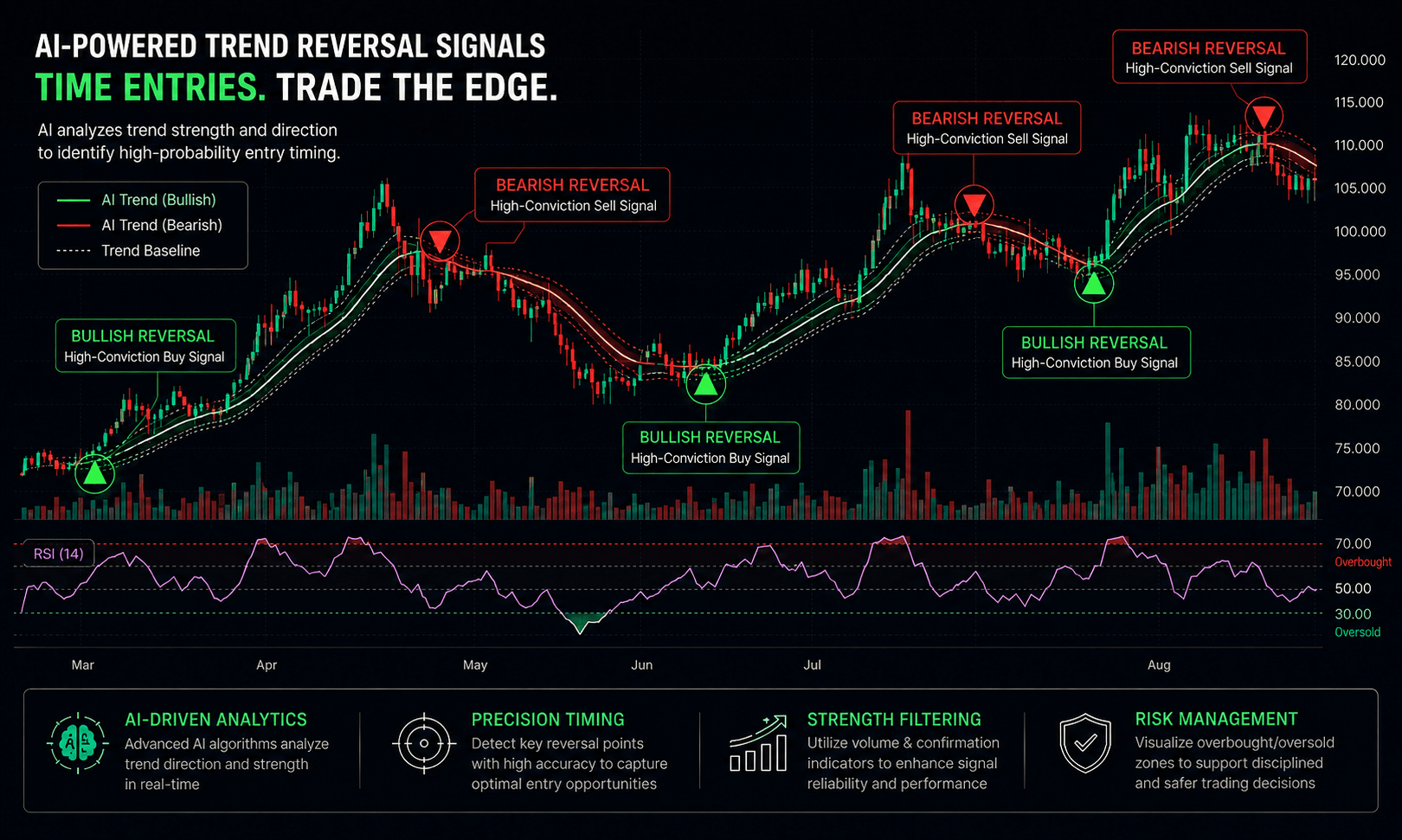
Bull Wave / Bear Wave Forecast Model
Engineered to help you read market direction and momentum faster than the crowd.
- Instantly separate bullish momentum from bearish pressure
- Pinpoint high-probability entry zones with confidence
- Chart signals clear enough for beginners, sharp enough for pros
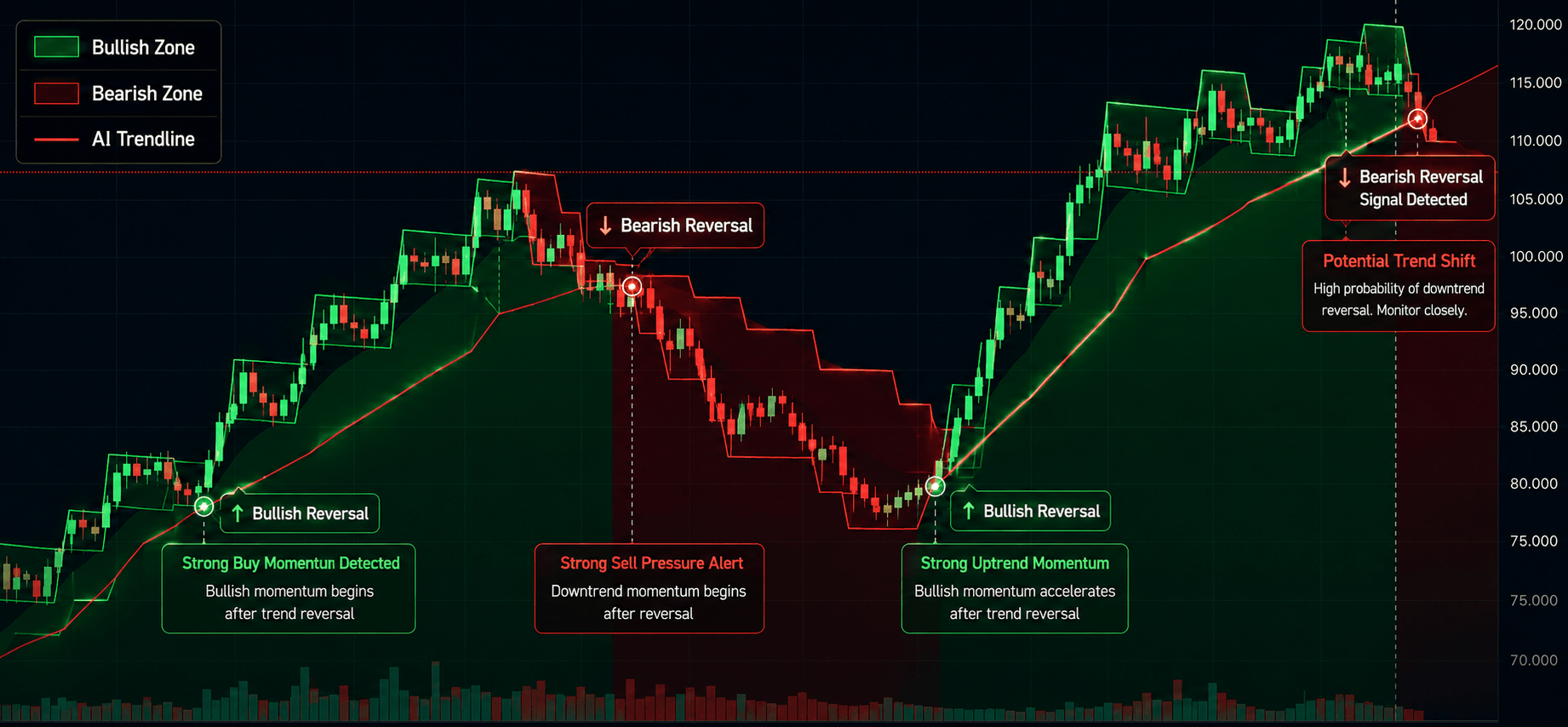
Winning Pattern Detection
Instantly surfaces the high-probability setups that repeat across the charts — a trusted edge for timing your entries and exits.
- Spot momentum building in real time
- Catch trend-reversal points before they break
- Built for active traders who need results, not theory

AI Live Economic Dashboard
AI analyzes real-time market data — turning complex, global investment flows into clear insight in seconds.
- Track global stock markets in real time
- See exactly which assets are strong — and which are fading
- Watch how geopolitical events move the markets
About the Author