What Is Short Selling?
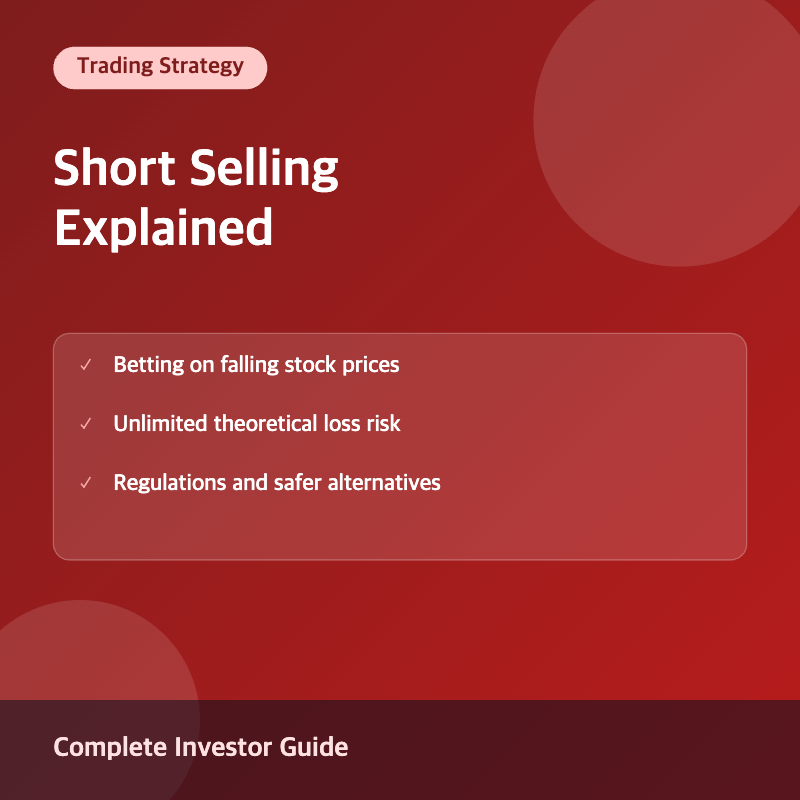
Short selling is a trading strategy in which an investor borrows shares of a stock and sells them immediately, hoping to buy them back later at a lower price to return to the lender and pocket the difference. Unlike traditional investing, which profits from rising prices, short selling is a bet that a stock’s price will fall.
How Short Selling Works Step by Step
An investor borrows shares (typically through a broker) and sells them at the current market price, say $100 per share. If the price later drops to $70, the investor buys the shares back at that lower price to return them to the lender, pocketing the $30 per share difference as profit, minus any borrowing fees.
Covered vs Naked Short Selling
Covered short selling, where shares are actually borrowed before being sold, is the legal standard method used by investors. Naked short selling, where shares are sold without first being borrowed, is illegal in most markets, including the United States, due to its potential to distort prices and create settlement failures.
Short Selling vs Buying Long Comparison
| Feature | Buying Long | Short Selling |
|---|---|---|
| Profit condition | Price rises | Price falls |
| Maximum loss | Limited to invested capital | Theoretically unlimited |
| Maximum profit | Theoretically unlimited | Limited (price can only fall to zero) |
| Required process | Buy and hold shares | Borrow shares, then sell |
| Additional costs | Trading commissions | Commissions plus stock borrowing fees |
The Risks of Short Selling
Unlimited Loss Potential
While a long stock position can lose at most 100% of the invested amount if the price falls to zero, a short position has no upper limit on losses because a stock’s price can theoretically rise indefinitely, exposing short sellers to potentially unlimited losses.
Short Squeezes
A short squeeze occurs when a heavily shorted stock’s price rises sharply, forcing short sellers to buy back shares quickly to limit losses, which in turn drives the price up even further in a self-reinforcing cycle that can produce dramatic, rapid price spikes.
The Role of Short Selling in Markets
Price Discovery and Liquidity
Short sellers can help correct overvalued stock prices by betting against them, contributing to more efficient price discovery in the market, while also adding trading liquidity that benefits all market participants.
Alternatives for Retail Investors
Rather than shorting stocks directly, many retail investors use inverse ETFs or buy put options to achieve a similar bearish exposure with a defined, limited maximum loss equal to the amount invested, making risk management considerably more straightforward.
Frequently Asked Questions
Is short selling legal?
Yes, covered short selling is a legal and regulated trading strategy in most major markets. Naked short selling, however, is illegal in the United States and most other jurisdictions because shares are sold without first being borrowed.
Can retail investors short stocks?
Yes, most brokers allow eligible retail investors to short stocks through a margin account, though it typically requires meeting certain account requirements and approval, and carries significantly higher risk than standard long positions.
What is a short squeeze?
A short squeeze happens when a stock with heavy short interest rises sharply, forcing short sellers to buy back shares to cover their positions and limit losses, which pushes the price up further and can trigger a rapid, self-reinforcing price spike.
How can I see how heavily shorted a stock is?
Short interest data, showing the percentage of a stock’s float that is currently sold short, is typically published by stock exchanges and available through most brokerage platforms and financial data providers.
Key Takeaways
Short selling allows investors to profit from falling stock prices by borrowing and selling shares before buying them back at a lower price, but it carries theoretically unlimited loss potential unlike traditional long investing. Investors should understand the mechanics, costs, and risks — including short squeezes — before considering this strategy, and may find inverse ETFs or put options offer a more risk-defined alternative. This article is for informational purposes only and does not constitute investment advice.

QuantPro: AI Finds the Trade Before You Do
From AI-powered chart analysis to real-time market intelligence — everything a serious investor needs, in one platform.
- Automated AI chart analysis with precision trend timing
- Bull Radar: real-time visualization of geopolitical & economic shifts
- Live market-moving news and insights, curated for you
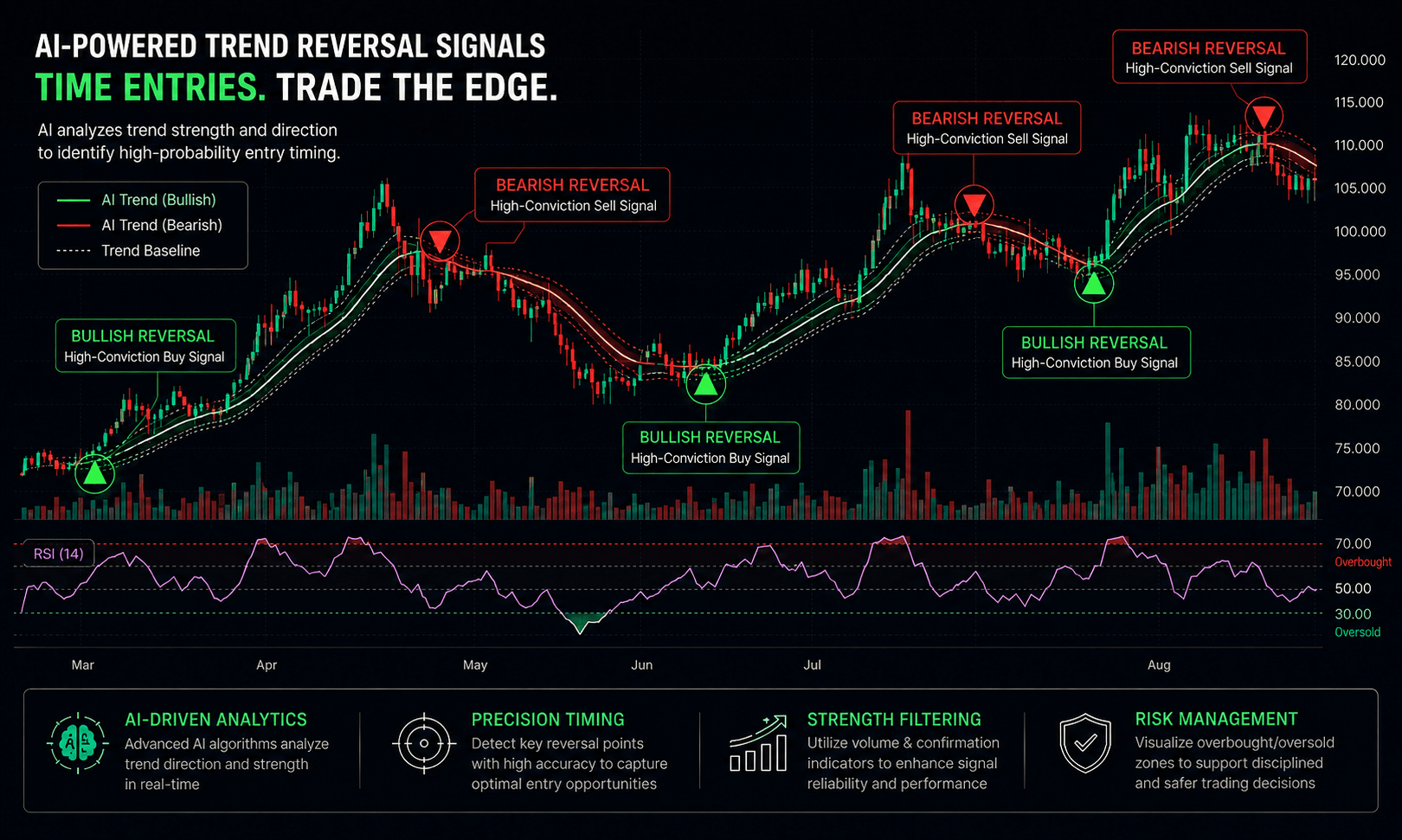
Bull Wave / Bear Wave Forecast Model
Engineered to help you read market direction and momentum faster than the crowd.
- Instantly separate bullish momentum from bearish pressure
- Pinpoint high-probability entry zones with confidence
- Chart signals clear enough for beginners, sharp enough for pros
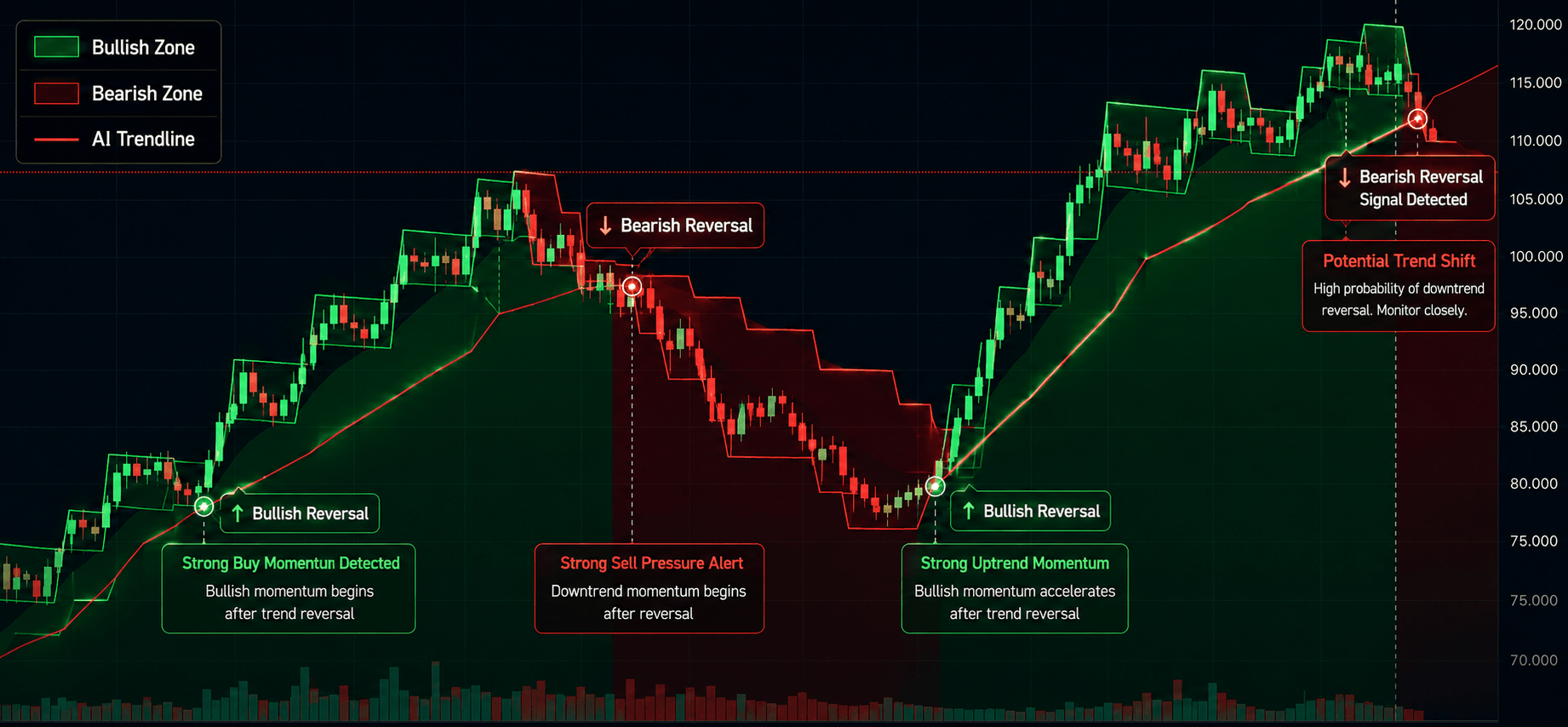
Winning Pattern Detection
Instantly surfaces the high-probability setups that repeat across the charts — a trusted edge for timing your entries and exits.
- Spot momentum building in real time
- Catch trend-reversal points before they break
- Built for active traders who need results, not theory

AI Live Economic Dashboard
AI analyzes real-time market data — turning complex, global investment flows into clear insight in seconds.
- Track global stock markets in real time
- See exactly which assets are strong — and which are fading
- Watch how geopolitical events move the markets
About the Author