What Are Stock Buybacks?
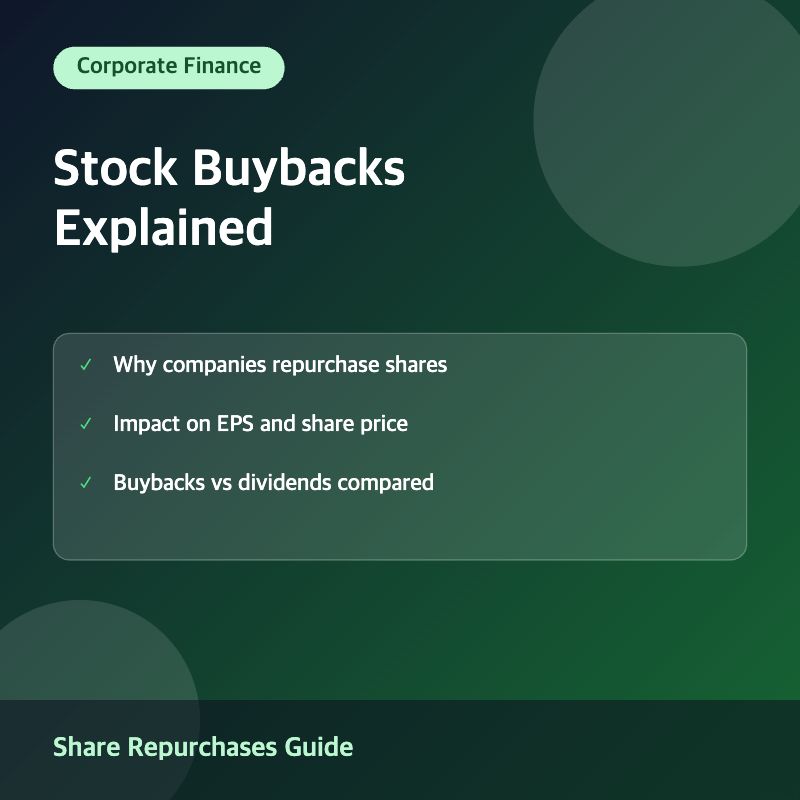
A stock buyback, also called a share repurchase, occurs when a company uses its own cash to buy back its outstanding shares from the market, reducing the total number of shares available to investors. Buybacks are one of two primary ways companies return capital to shareholders, the other being dividends.
How Stock Buybacks Work
A company typically announces a buyback program authorizing it to repurchase up to a certain dollar amount or number of shares over a set period. Shares can be bought back through open market purchases, tender offers, or privately negotiated transactions, and the repurchased shares are usually retired or held as treasury stock.
Why Companies Repurchase Their Own Shares
Companies buy back stock for several reasons: to return excess cash to shareholders in a tax-efficient way, to signal management’s belief that shares are undervalued, to offset dilution from employee stock compensation, or to improve financial ratios like earnings per share by reducing the share count.
Stock Buybacks vs Dividends Comparison
| Feature | Stock Buybacks | Dividends |
|---|---|---|
| How shareholders benefit | Higher share price, EPS increase | Direct cash payment |
| Tax treatment | No immediate tax unless shares sold | Taxed as dividend income when received |
| Flexibility | Can be paused or adjusted easily | Cuts often seen as a negative signal |
| Effect on share count | Reduces shares outstanding | No effect on share count |
| Shareholder choice | Sell or hold — investor decides | Payment is automatic to all holders |
How Buybacks Affect Financial Metrics
Impact on Earnings Per Share (EPS)
Since EPS is calculated as net income divided by shares outstanding, reducing the share count through buybacks mechanically increases EPS even if net income stays flat. For example, if a company with $100 million in net income and 100 million shares buys back 10 million shares, EPS rises from $1.00 to about $1.11.
Impact on Share Price
Buybacks reduce the supply of shares in the market, which can support or increase the share price, all else being equal. However, the actual price impact depends on market perception of why the buyback is happening and whether investors view it as a genuine sign of undervaluation or a sign management lacks better investment opportunities.
Risks and Criticisms of Buybacks
Potential Downsides for Investors
Critics argue that buybacks can be poorly timed, with companies repurchasing shares at high valuations rather than investing in growth or paying down debt. Buybacks funded by debt during economic downturns can also leave companies financially vulnerable if conditions worsen.
Evaluating Whether a Buyback Is a Good Sign
Investors should examine whether a company is repurchasing shares from a position of financial strength with genuinely excess cash, or if it is using debt to fund buybacks while underinvesting in the business. Comparing the repurchase price to historical valuation metrics can also indicate whether management is buying back stock at attractive levels.
Frequently Asked Questions
Do stock buybacks always increase the share price?
Not necessarily. While buybacks reduce share supply, broader market conditions, company fundamentals, and investor sentiment all influence share price, so a buyback announcement does not guarantee a price increase.
Are buybacks better than dividends for investors?
Neither is universally better — it depends on investor circumstances. Buybacks offer tax deferral flexibility since shareholders only pay tax if they sell, while dividends provide predictable, immediate cash income that some investors prefer.
How can investors find out about a company’s buyback program?
Companies disclose buyback authorizations and execution details in quarterly earnings reports, press releases, and SEC filings such as the 10-Q and 10-K, which typically include the amount repurchased and remaining authorization.
Can a company cancel a buyback program?
Yes. Buyback authorizations are typically not binding commitments, so companies can pause, reduce, or cancel repurchases at any time, often in response to changing cash needs or market conditions.
Key Takeaways
Stock buybacks reduce a company’s outstanding share count, which can boost earnings per share and support the stock price, making them a popular tool for returning capital to shareholders alongside dividends. Investors should evaluate the funding source and timing of a buyback program to judge whether it reflects genuine financial strength or a less favorable use of capital. This article is for informational purposes only and does not constitute investment advice.

QuantPro: AI Finds the Trade Before You Do
From AI-powered chart analysis to real-time market intelligence — everything a serious investor needs, in one platform.
- Automated AI chart analysis with precision trend timing
- Bull Radar: real-time visualization of geopolitical & economic shifts
- Live market-moving news and insights, curated for you
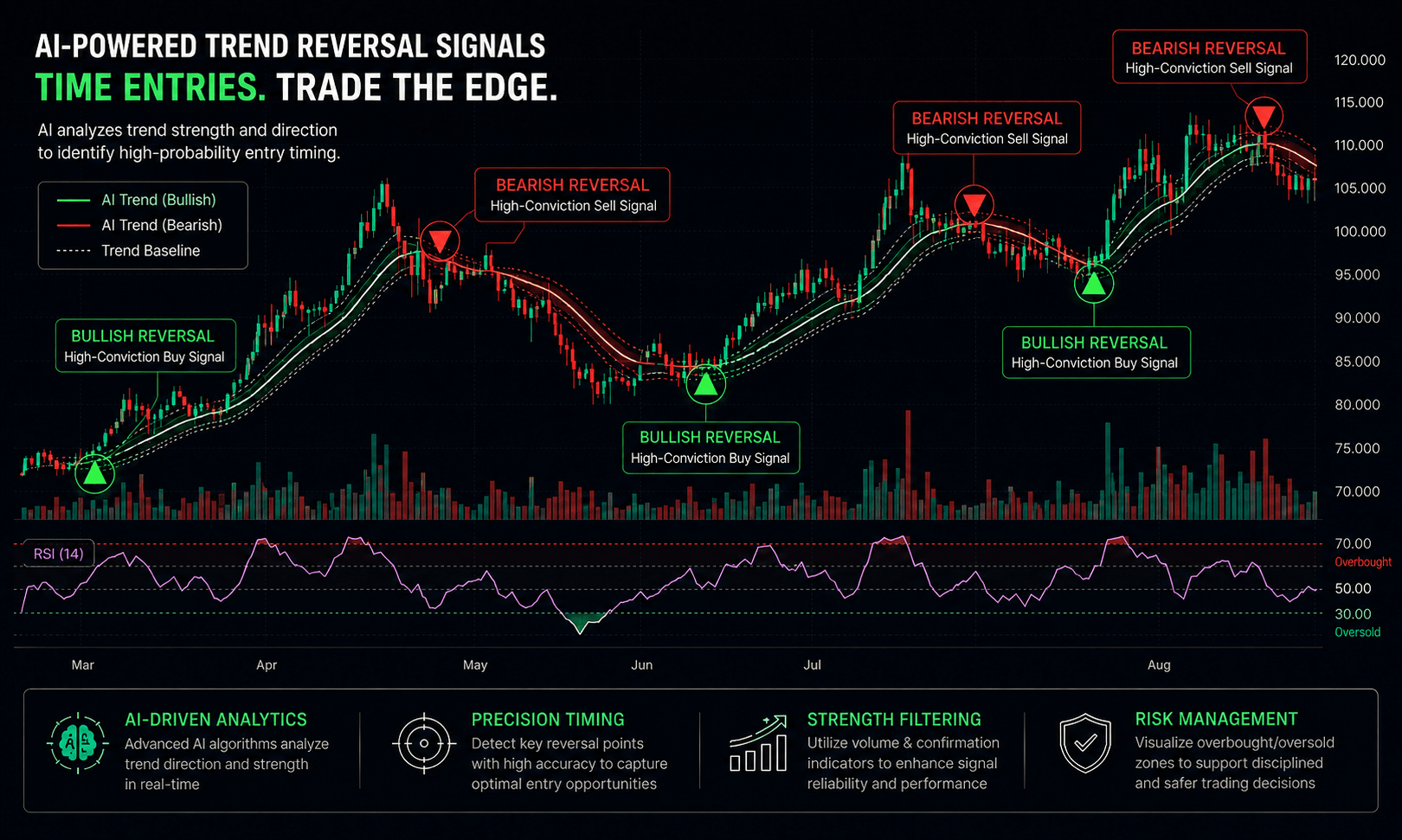
Bull Wave / Bear Wave Forecast Model
Engineered to help you read market direction and momentum faster than the crowd.
- Instantly separate bullish momentum from bearish pressure
- Pinpoint high-probability entry zones with confidence
- Chart signals clear enough for beginners, sharp enough for pros
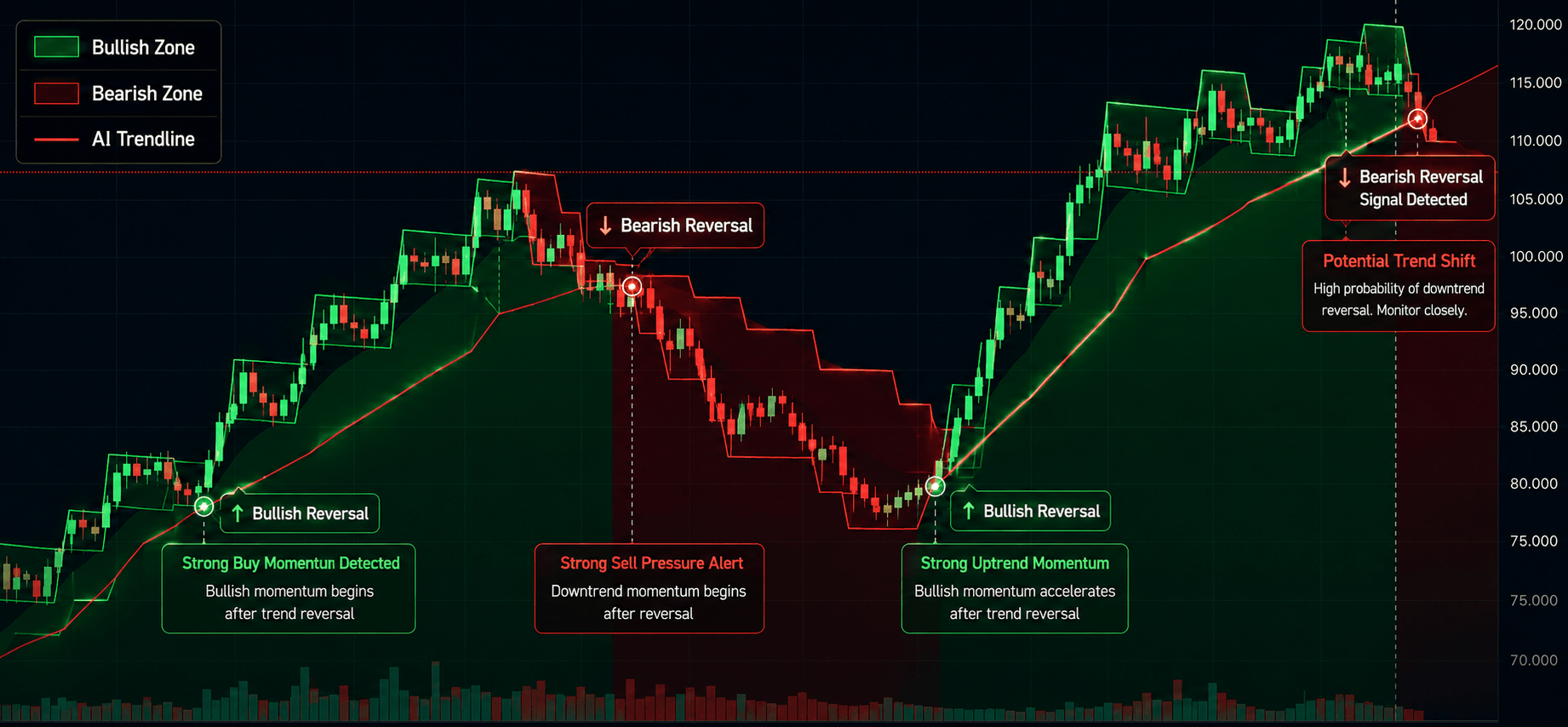
Winning Pattern Detection
Instantly surfaces the high-probability setups that repeat across the charts — a trusted edge for timing your entries and exits.
- Spot momentum building in real time
- Catch trend-reversal points before they break
- Built for active traders who need results, not theory

AI Live Economic Dashboard
AI analyzes real-time market data — turning complex, global investment flows into clear insight in seconds.
- Track global stock markets in real time
- See exactly which assets are strong — and which are fading
- Watch how geopolitical events move the markets
About the Author