What Is Tracking Error?
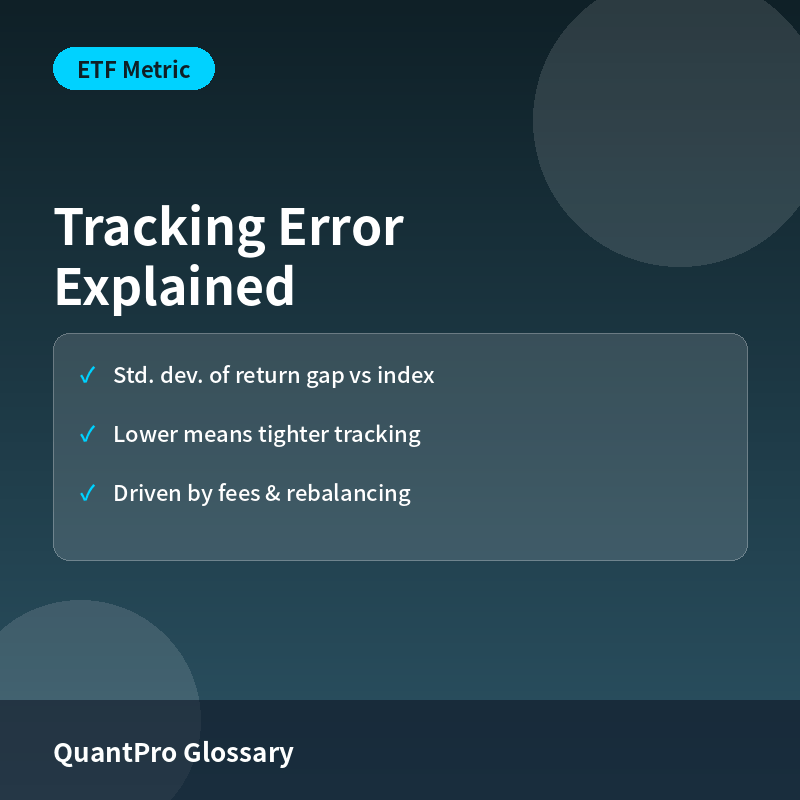
Tracking error measures how much an ETF’s or index fund’s actual returns deviate from its benchmark index’s returns. It’s calculated as the standard deviation of the daily return difference between the fund and its index, so a lower tracking error means the fund is replicating its benchmark more precisely.
The Tracking Error Formula
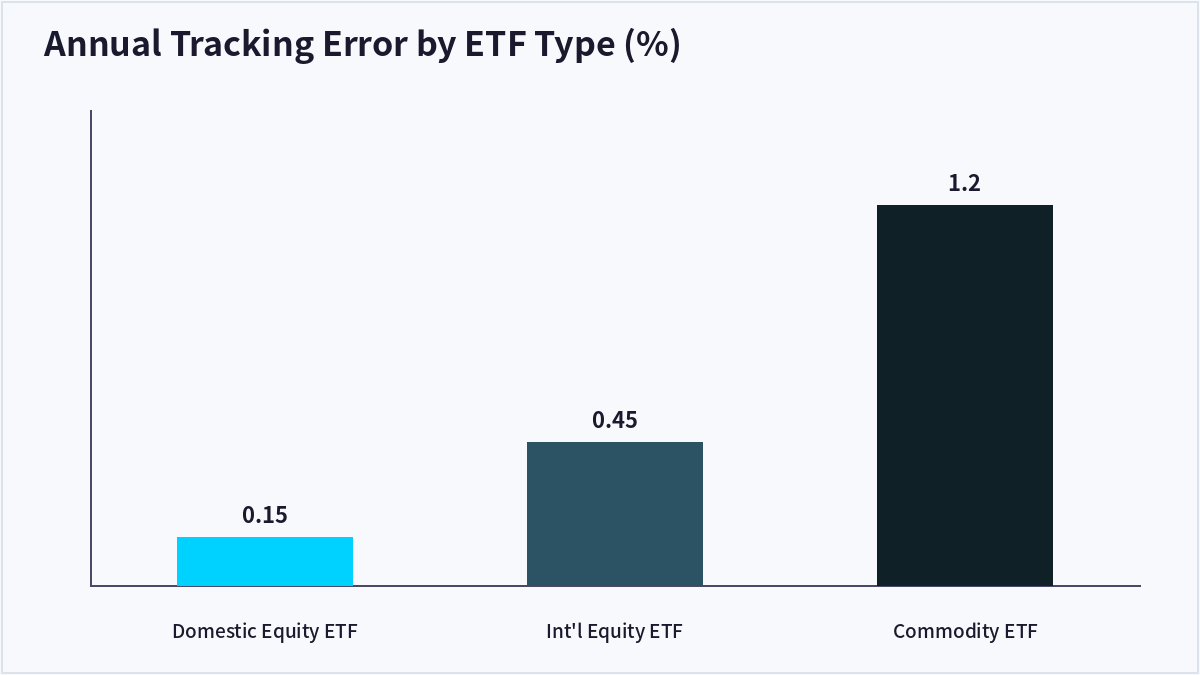
Tracking error is calculated as: Standard Deviation of (Daily Fund Return − Daily Index Return) × √250, annualized. If an international equity ETF’s daily excess-return standard deviation works out to an annualized 0.45%, its tracking error is 0.45%.
Tracking Error vs Tracking Difference
Tracking difference is the simple cumulative return gap over a period, while tracking error measures the volatility of that gap. A fund can have a small tracking difference but a large tracking error if the day-to-day deviation is erratic, so checking both together gives a fuller picture of tracking quality.
What Causes Tracking Error
Tracking error stems from management fees, trading costs and slippage incurred during rebalancing, timing differences in dividend reinvestment, currency-hedging costs, and — for commodity ETFs — the cost of rolling futures contracts. Leveraged and inverse ETFs tend to show structurally higher tracking error due to their daily rebalancing mechanics.
Using Tracking Error to Compare ETFs
When choosing between multiple ETFs tracking the same index, it’s worth comparing recent one-year tracking error alongside the expense ratio. A fund with a lower headline fee but poor tracking discipline can still underperform a slightly pricier fund with tighter tracking over time.
| ETF Type | Tracking Error | Main Driver |
|---|---|---|
| Domestic Equity ETF | 0.15% | Low fees, physical replication |
| International Equity ETF | 0.45% | Currency hedging, timing |
| Commodity ETF | 1.2% | Futures roll costs |
Frequently Asked Questions
Is a lower tracking error always better?
Generally yes for pure index-replication purposes, but liquidity, bid-ask spreads, and the premium/discount to NAV should also factor into the overall comparison between funds.
Are tracking error and NAV premium/discount the same thing?
No — NAV premium/discount measures the gap between an ETF’s market price and its net asset value, while tracking error measures the volatility of the return gap between the fund and its benchmark index.
Why do leveraged ETFs show high tracking error?
Their daily rebalancing structure means compounding effects can cause significant divergence from the simple multiple of the index return over longer holding periods, especially in volatile markets.
Where can I find an ETF’s tracking error?
Most fund providers publish tracking error figures in fact sheets, and third-party ETF research platforms often report trailing one- or three-year tracking error alongside expense ratios.
Key Takeaways
Tracking error measures the volatility of the return gap between an ETF and its benchmark index, and a lower figure indicates tighter, more reliable tracking. Fees, trading costs, and futures roll costs are common drivers, and it’s worth comparing tracking error alongside tracking difference when choosing between similar funds. This article is for informational purposes only and does not constitute investment advice.

QuantPro: AI Finds the Trade Before You Do
From AI-powered chart analysis to real-time market intelligence — everything a serious investor needs, in one platform.
- Automated AI chart analysis with precision trend timing
- Bull Radar: real-time visualization of geopolitical & economic shifts
- Live market-moving news and insights, curated for you
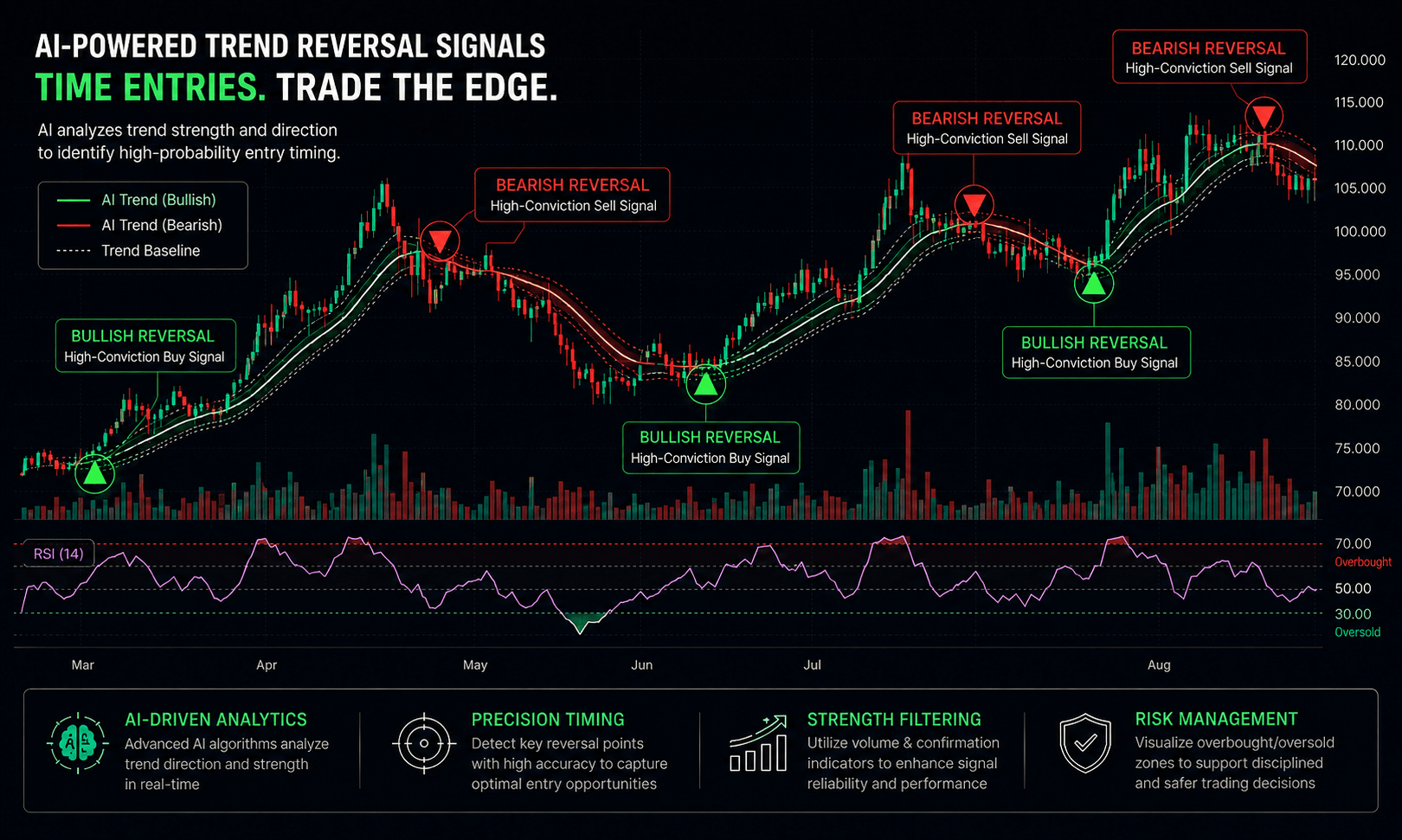
Bull Wave / Bear Wave Forecast Model
Engineered to help you read market direction and momentum faster than the crowd.
- Instantly separate bullish momentum from bearish pressure
- Pinpoint high-probability entry zones with confidence
- Chart signals clear enough for beginners, sharp enough for pros
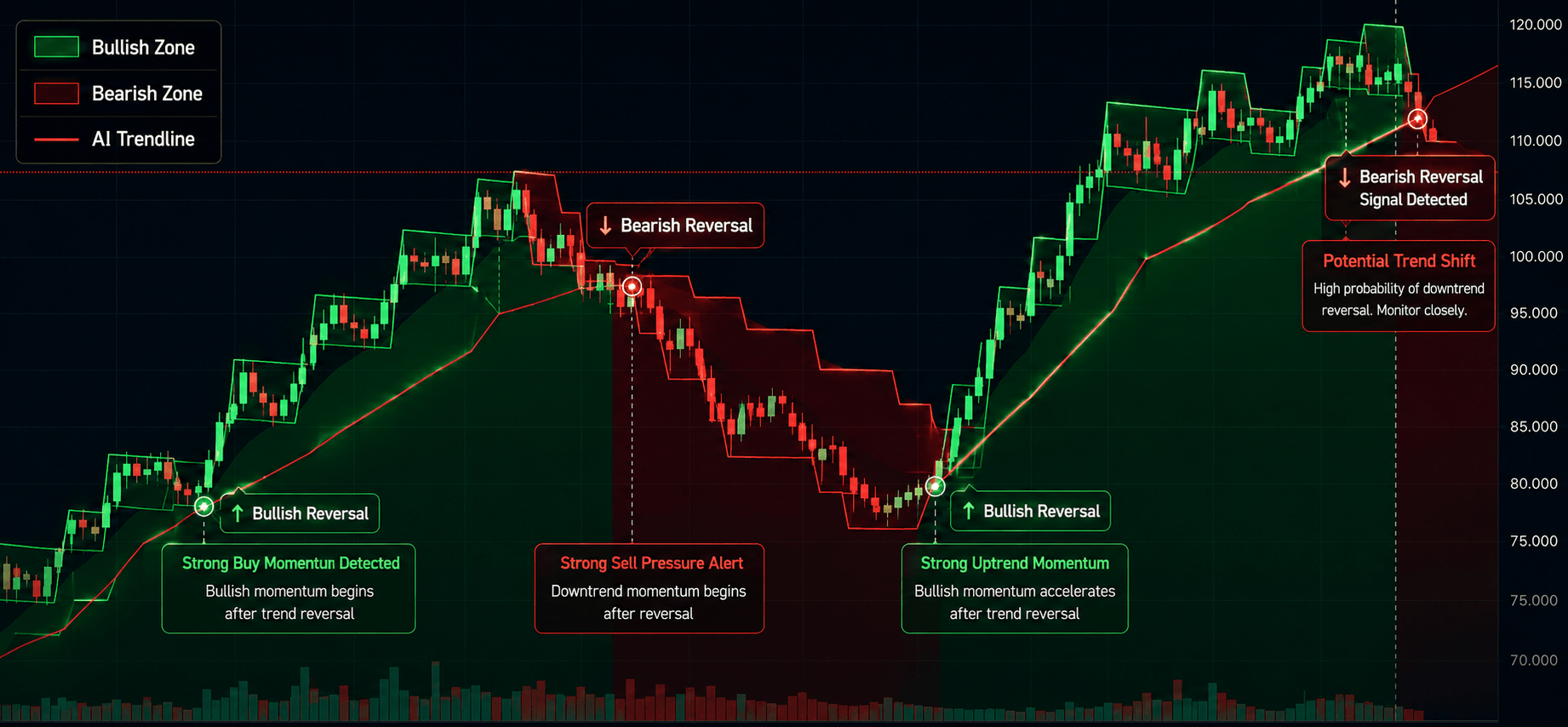
Winning Pattern Detection
Instantly surfaces the high-probability setups that repeat across the charts — a trusted edge for timing your entries and exits.
- Spot momentum building in real time
- Catch trend-reversal points before they break
- Built for active traders who need results, not theory
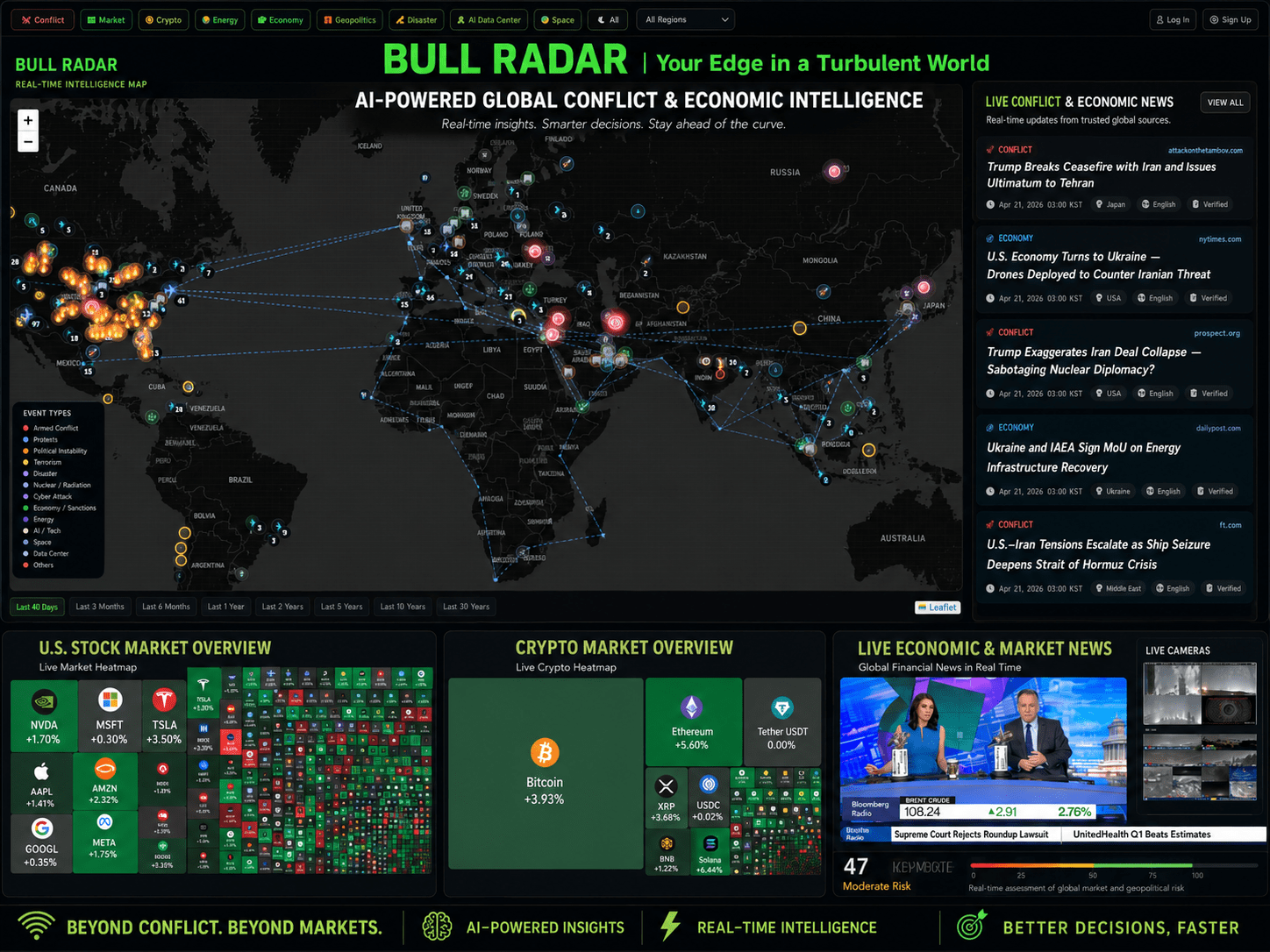
AI Live Economic Dashboard
AI analyzes real-time market data — turning complex, global investment flows into clear insight in seconds.
- Track global stock markets in real time
- See exactly which assets are strong — and which are fading
- Watch how geopolitical events move the markets
About the Author