What the Sharpe Ratio Measures
Definition of the Sharpe Ratio
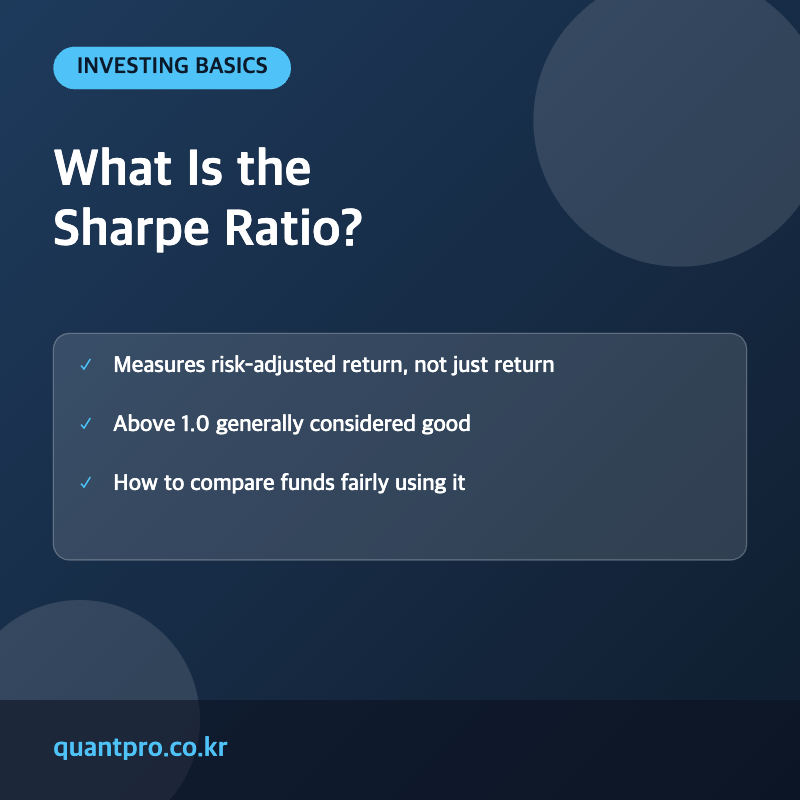
The Sharpe Ratio is a risk-adjusted performance measure that shows how much excess return an investment generates for each unit of risk (volatility) it takes on. It is calculated as (portfolio return minus risk-free rate) divided by the standard deviation of portfolio returns. For example, if a portfolio returns 12% annually while the risk-free rate is 3% and the portfolio’s standard deviation is 15%, the Sharpe Ratio would be (12-3)/15, or 0.6. Developed by Nobel laureate William Sharpe in 1966, it remains one of the most widely used tools for comparing investments on a risk-adjusted basis rather than by raw return alone.
Why Raw Returns Alone Can Mislead
A fund that returns 20% annually might look more attractive than one returning 12%, but if the 20% fund achieves that through extreme volatility while the 12% fund does so with much smaller swings, the risk-adjusted picture can flip entirely. The Sharpe Ratio corrects for this by putting return and risk into a single comparable number, which is why professional investors rarely evaluate performance without considering it alongside raw returns.
Sharpe Ratio Interpretation Guide
| Sharpe Ratio | General Interpretation | Typical Context |
|---|---|---|
| Below 0 | Underperforming risk-free rate | Poor risk-adjusted performance |
| 0 to 1.0 | Acceptable but unremarkable | Average risk-adjusted return |
| 1.0 to 2.0 | Good risk-adjusted performance | Solid, well-managed strategy |
| Above 2.0 | Excellent risk-adjusted performance | Rare, warrants closer scrutiny |
Using the Sharpe Ratio in Practice
Comparing Funds With Different Strategies
The Sharpe Ratio is especially useful when comparing two funds or strategies that pursue similar objectives but achieve returns through different risk profiles. A hedge fund and an index fund with identical five-year returns could have very different Sharpe Ratios, and the one with the higher ratio delivered its return more efficiently per unit of risk taken. This makes the metric a standard screening tool when narrowing down a shortlist of investment options.
Limitations Worth Knowing
The Sharpe Ratio assumes returns are normally distributed and treats upside and downside volatility identically, which can understate risk for strategies with frequent small gains punctuated by rare large losses. It also depends heavily on the time period and risk-free rate used in the calculation, so ratios computed over different windows are not always directly comparable. Investors typically pair it with other measures such as the Sortino Ratio, which focuses only on downside volatility, for a fuller picture.
Frequently Asked Questions
What counts as a good Sharpe Ratio?
A Sharpe Ratio above 1.0 is generally considered good, above 2.0 is considered very good, and above 3.0 is considered excellent, though what counts as reasonable can vary by asset class and market environment.
How is the risk-free rate chosen?
The risk-free rate is typically based on short-term government bond yields, such as U.S. Treasury bills, since these are considered to carry minimal default risk over the relevant time horizon.
Can the Sharpe Ratio be negative?
Yes. A negative Sharpe Ratio means the investment underperformed the risk-free rate over the measured period, which signals that the risk taken was not compensated by the return achieved.
Is a higher Sharpe Ratio always better?
Generally yes for comparing similar strategies, but the ratio should not be used in isolation. It is best combined with other metrics and a qualitative understanding of the strategy before making investment decisions.
Key Takeaways
The Sharpe Ratio measures how much excess return an investment delivers per unit of risk, making it one of the most widely used tools for comparing investments on a risk-adjusted basis rather than by return alone. While useful for screening and comparison, it has limitations around distribution assumptions and time-period sensitivity, so it works best alongside other risk metrics. This article is for informational purposes only and does not constitute investment advice.

QuantPro: AI Finds the Trade Before You Do
From AI-powered chart analysis to real-time market intelligence — everything a serious investor needs, in one platform.
- Automated AI chart analysis with precision trend timing
- Bull Radar: real-time visualization of geopolitical & economic shifts
- Live market-moving news and insights, curated for you
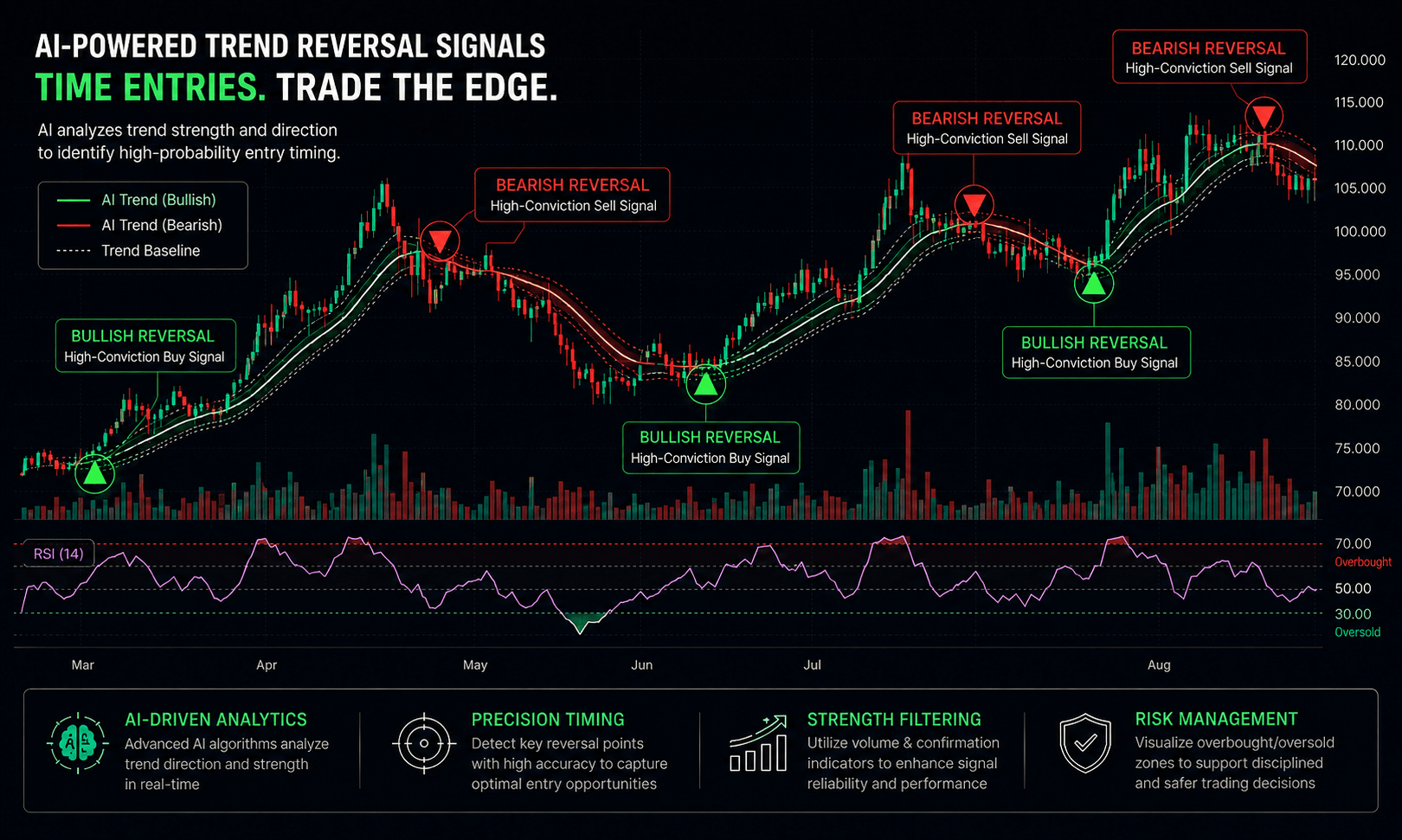
Bull Wave / Bear Wave Forecast Model
Engineered to help you read market direction and momentum faster than the crowd.
- Instantly separate bullish momentum from bearish pressure
- Pinpoint high-probability entry zones with confidence
- Chart signals clear enough for beginners, sharp enough for pros
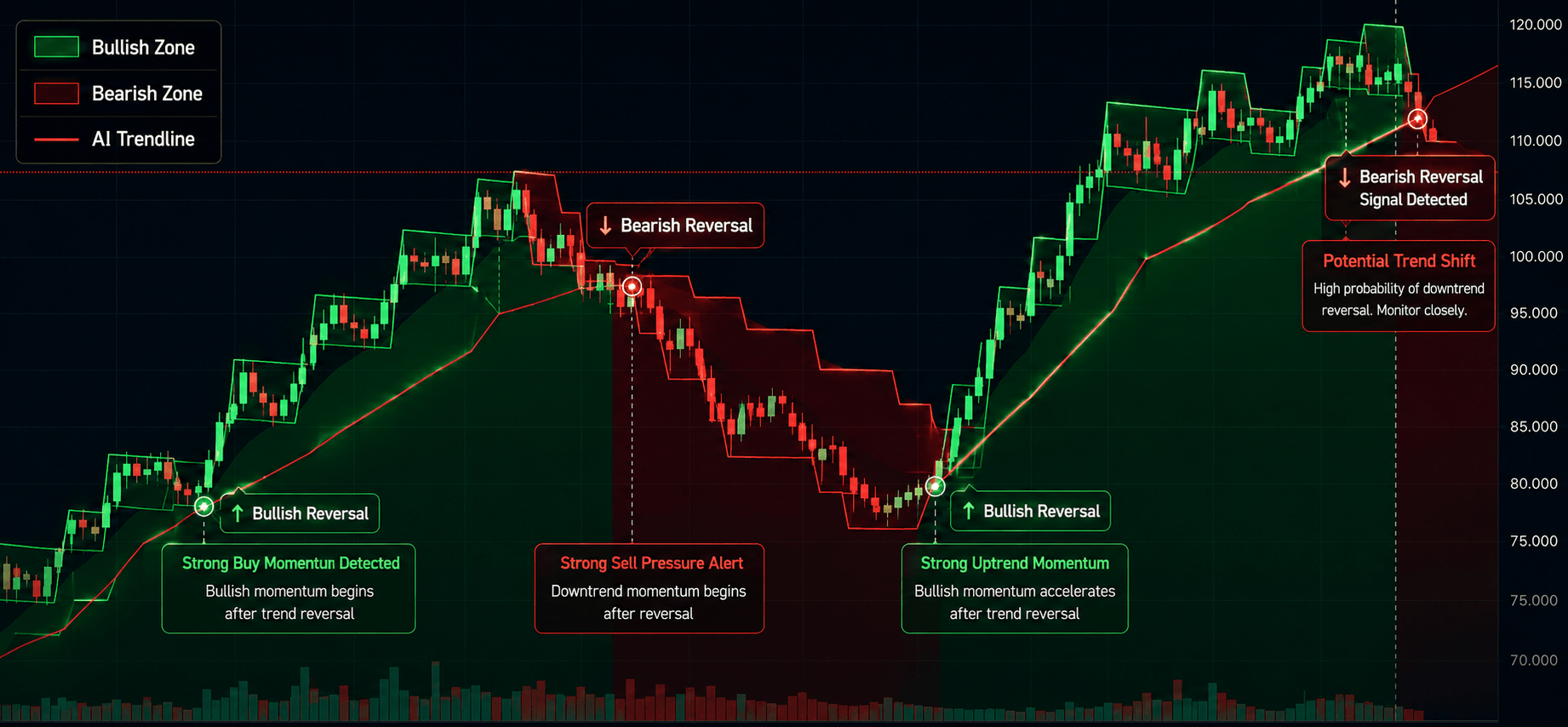
Winning Pattern Detection
Instantly surfaces the high-probability setups that repeat across the charts — a trusted edge for timing your entries and exits.
- Spot momentum building in real time
- Catch trend-reversal points before they break
- Built for active traders who need results, not theory

AI Live Economic Dashboard
AI analyzes real-time market data — turning complex, global investment flows into clear insight in seconds.
- Track global stock markets in real time
- See exactly which assets are strong — and which are fading
- Watch how geopolitical events move the markets
About the Author