What Is the Asset Turnover Ratio?
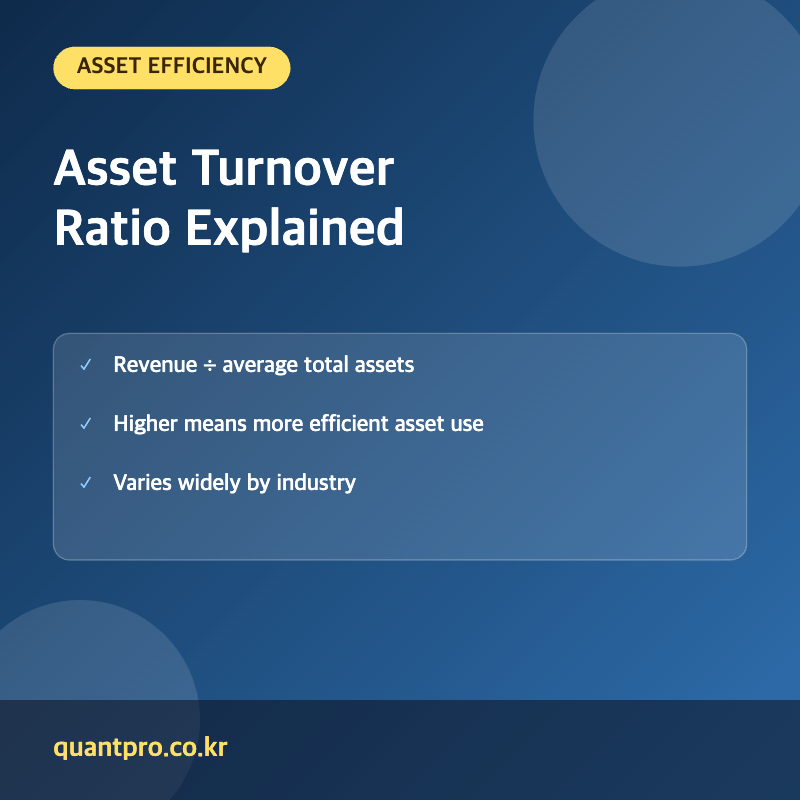
The asset turnover ratio measures how efficiently a company uses its total assets to generate revenue. The formula is Revenue ÷ Average Total Assets, and a higher ratio indicates a company generates more sales per dollar of assets, reflecting stronger operational efficiency.
For example, an asset turnover ratio of 1.5 means the company generated 1.5 times its asset base in revenue over the period, offering a direct measure of how productively assets are being deployed.
Why Asset Turnover Matters
Two companies with identical profit margins can have very different capital efficiency if their asset turnover differs. A company with higher asset turnover can achieve the same revenue with less capital invested, which often translates into a more favorable return on invested capital (ROIC).
Role in DuPont Analysis
DuPont analysis decomposes ROE into net profit margin × asset turnover × financial leverage. This breakdown helps investors determine whether a company’s high ROE stems from strong profitability, efficient asset use, or aggressive use of debt leverage.
| Industry | Typical Asset Turnover Level | Key Characteristic |
|---|---|---|
| Retail | High (2.0 or above) | Fast inventory cycles, high revenue relative to assets |
| Manufacturing | Moderate (0.7–1.5) | Significant fixed asset investment moderates turnover |
| Telecom/Utilities | Low (0.5 or below) | Heavy fixed-asset base keeps turnover low |
Frequently Asked Questions
Is a higher asset turnover ratio always better?
Generally, higher indicates better asset efficiency, but if a high turnover comes with very thin profit margins, it may reflect a low-margin, high-volume business model rather than genuine efficiency, so it should be viewed alongside net profit margin.
Can asset turnover be compared across industries?
No. Asset structures and business models vary too widely across industries, so asset turnover is most meaningful when compared within the same sector rather than across unrelated industries.
How does asset turnover differ from inventory turnover?
Asset turnover measures revenue efficiency across a company’s entire asset base, while inventory turnover focuses specifically on how quickly inventory is sold, offering a more granular view of operational efficiency.
Why would asset turnover decline?
A sharp increase in assets from major capital expenditures or acquisitions without a corresponding rise in revenue, or a period of declining sales, can both cause the asset turnover ratio to fall.
Key Takeaways
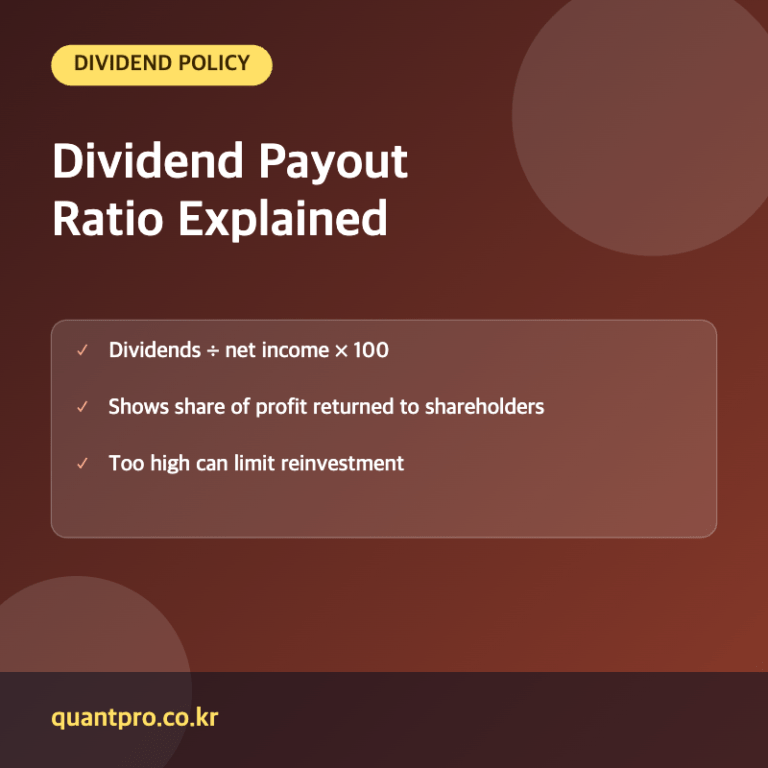
The asset turnover ratio shows how efficiently a company converts its assets into revenue, serves as a key component of DuPont ROE analysis, and should always be interpreted against industry peers rather than in isolation. This article is for informational purposes only and does not constitute investment advice.

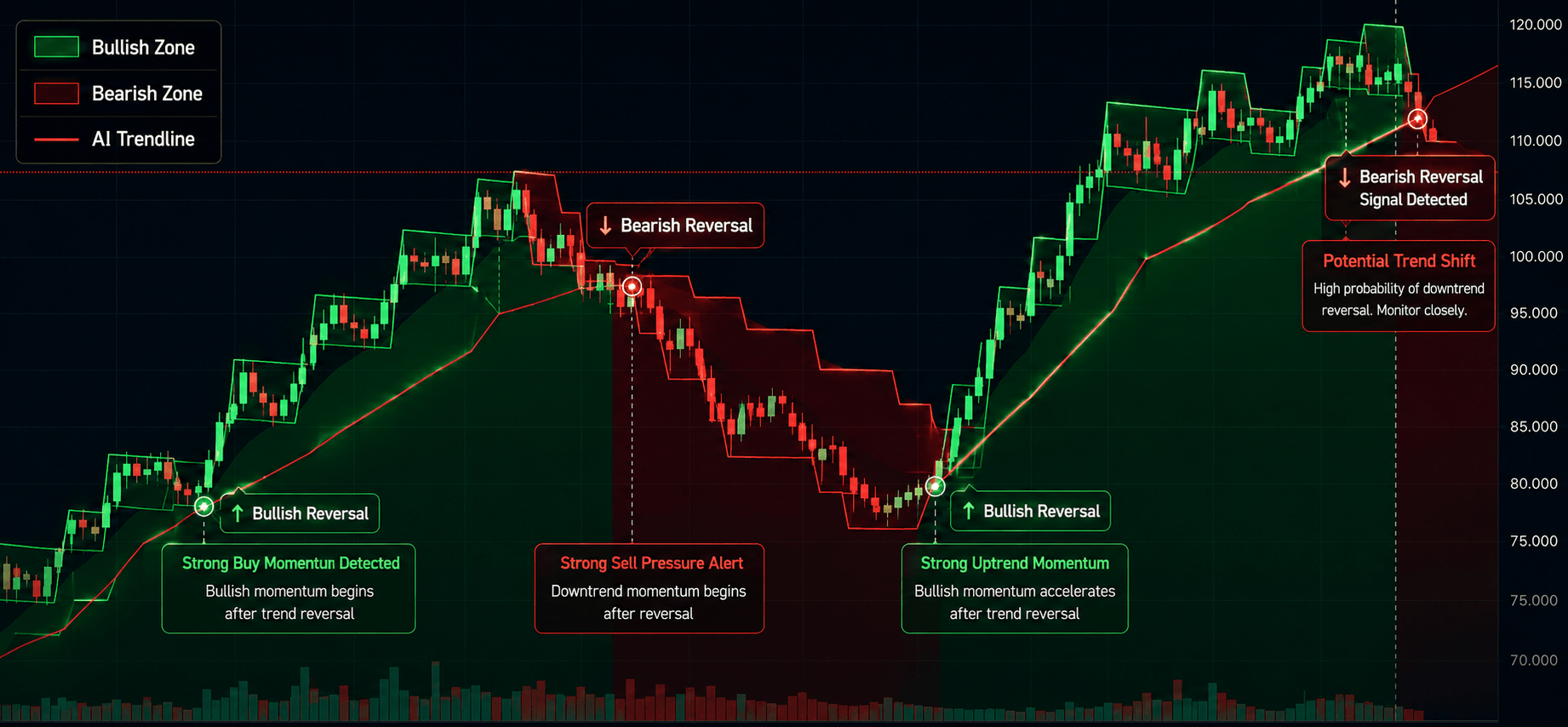
QuantPro: AI Finds the Trade Before You Do
From AI-powered chart analysis to real-time market intelligence — everything a serious investor needs, in one platform.
- Automated AI chart analysis with precision trend timing
- Bull Radar: real-time visualization of geopolitical & economic shifts
- Live market-moving news and insights, curated for you
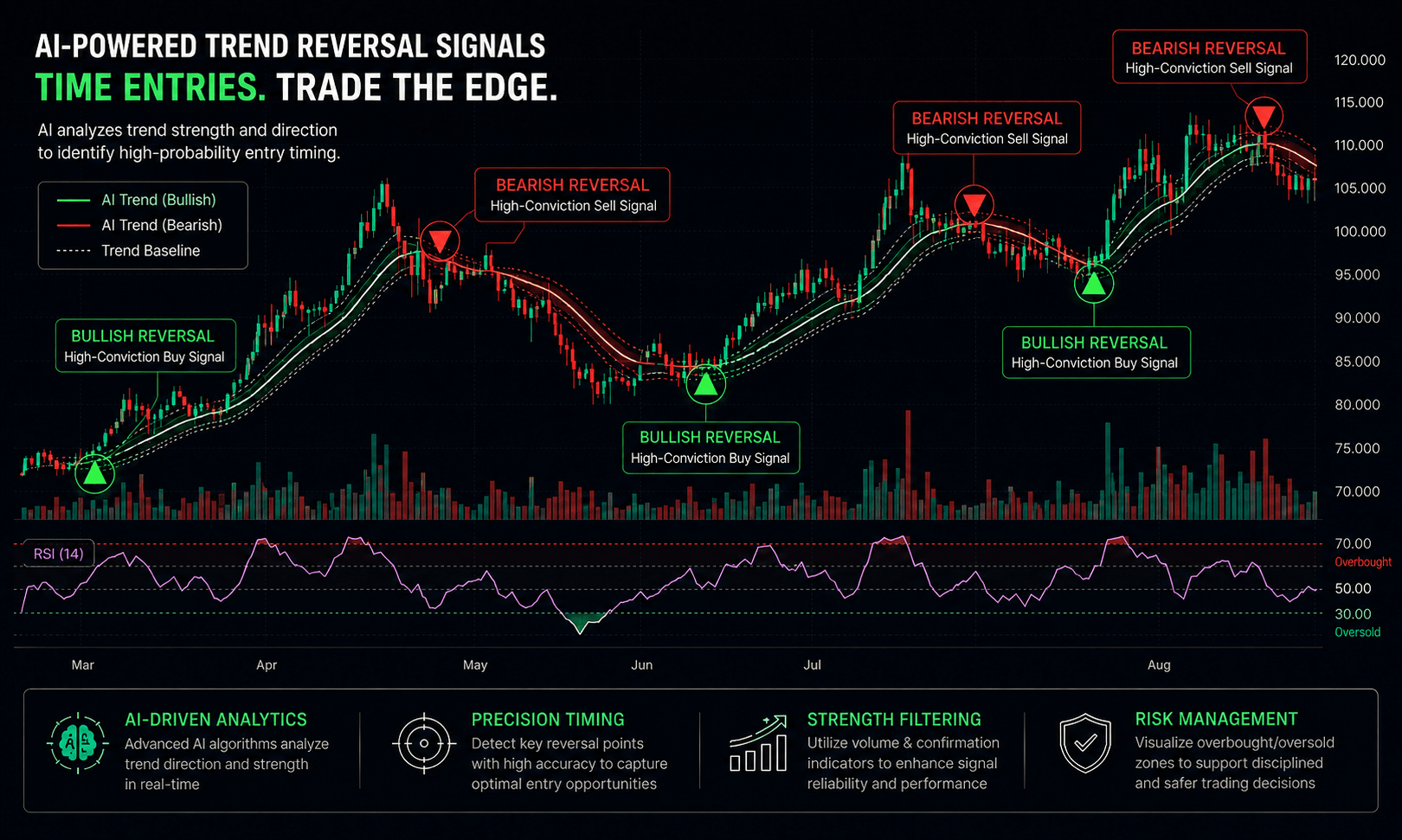
Bull Wave / Bear Wave Forecast Model
Engineered to help you read market direction and momentum faster than the crowd.
- Instantly separate bullish momentum from bearish pressure
- Pinpoint high-probability entry zones with confidence
- Chart signals clear enough for beginners, sharp enough for pros
Winning Pattern Detection
Instantly surfaces the high-probability setups that repeat across the charts — a trusted edge for timing your entries and exits.
- Spot momentum building in real time
- Catch trend-reversal points before they break
- Built for active traders who need results, not theory

AI Live Economic Dashboard
AI analyzes real-time market data — turning complex, global investment flows into clear insight in seconds.
- Track global stock markets in real time
- See exactly which assets are strong — and which are fading
- Watch how geopolitical events move the markets
About the Author