What Is Gross Margin?
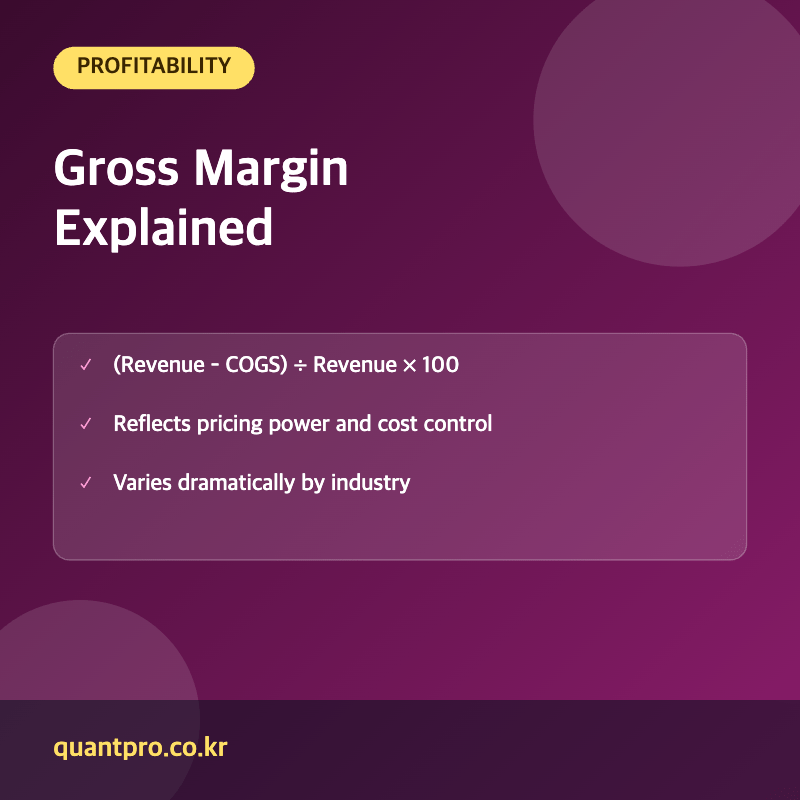
Gross margin (gross profit margin) measures the percentage of revenue remaining after subtracting the cost of goods sold (COGS). The formula is (Revenue − COGS) ÷ Revenue × 100, and a higher gross margin means a company retains more profit per dollar of sales before other operating expenses are considered.
Because gross margin is calculated before selling, general, and administrative expenses or research and development costs are deducted, it is considered one of the purest indicators of a company’s pricing power and cost efficiency in production.
Why Gross Margin Matters
A high gross margin can signal strong brand power or technological differentiation that allows a company to charge premium prices, or it may reflect a highly efficient cost structure. A low gross margin often points to intense price competition or heavy raw material cost burdens.
Gross Margin Across Industries
Companies in software or luxury goods, where brand value and intangible assets matter most, tend to post very high gross margins, while retailers and commodity-based manufacturers typically show much lower gross margins.
| Industry | Typical Gross Margin | Key Characteristic |
|---|---|---|
| Software/Platforms | 70% or higher | Low marginal cost drives very high margins |
| Manufacturing (electronics/machinery) | 20–40% | Significant raw material and production costs |
| Retail/Wholesale | 10–25% | High-volume, low-margin business model |
Frequently Asked Questions
How does gross margin differ from operating margin?
Gross margin only deducts the cost of goods sold, while operating margin further deducts selling, general, and administrative expenses, making operating margin a broader measure of a company’s core profitability.
Why would gross margin decline?
Rising raw material costs, higher labor expenses, or price cuts driven by increased competition are common causes of declining gross margin, and currency fluctuations can also significantly affect companies that import raw materials.
Is a high gross margin always a good investment sign?
Not necessarily. Even with a high gross margin, excessive spending on SG&A or R&D can result in low operating or net profit, so it is important to check downstream profitability metrics as well.
Where can I find gross margin data?
Gross margin can be calculated directly from the revenue and cost of goods sold figures disclosed on a company’s income statement, and is also commonly available through financial data platforms.
Key Takeaways
Gross margin shows the percentage of revenue left after covering production costs, offering insight into a company’s pricing power and cost efficiency, though it should always be compared against industry peers. This article is for informational purposes only and does not constitute investment advice.

QuantPro: AI Finds the Trade Before You Do
From AI-powered chart analysis to real-time market intelligence — everything a serious investor needs, in one platform.
- Automated AI chart analysis with precision trend timing
- Bull Radar: real-time visualization of geopolitical & economic shifts
- Live market-moving news and insights, curated for you
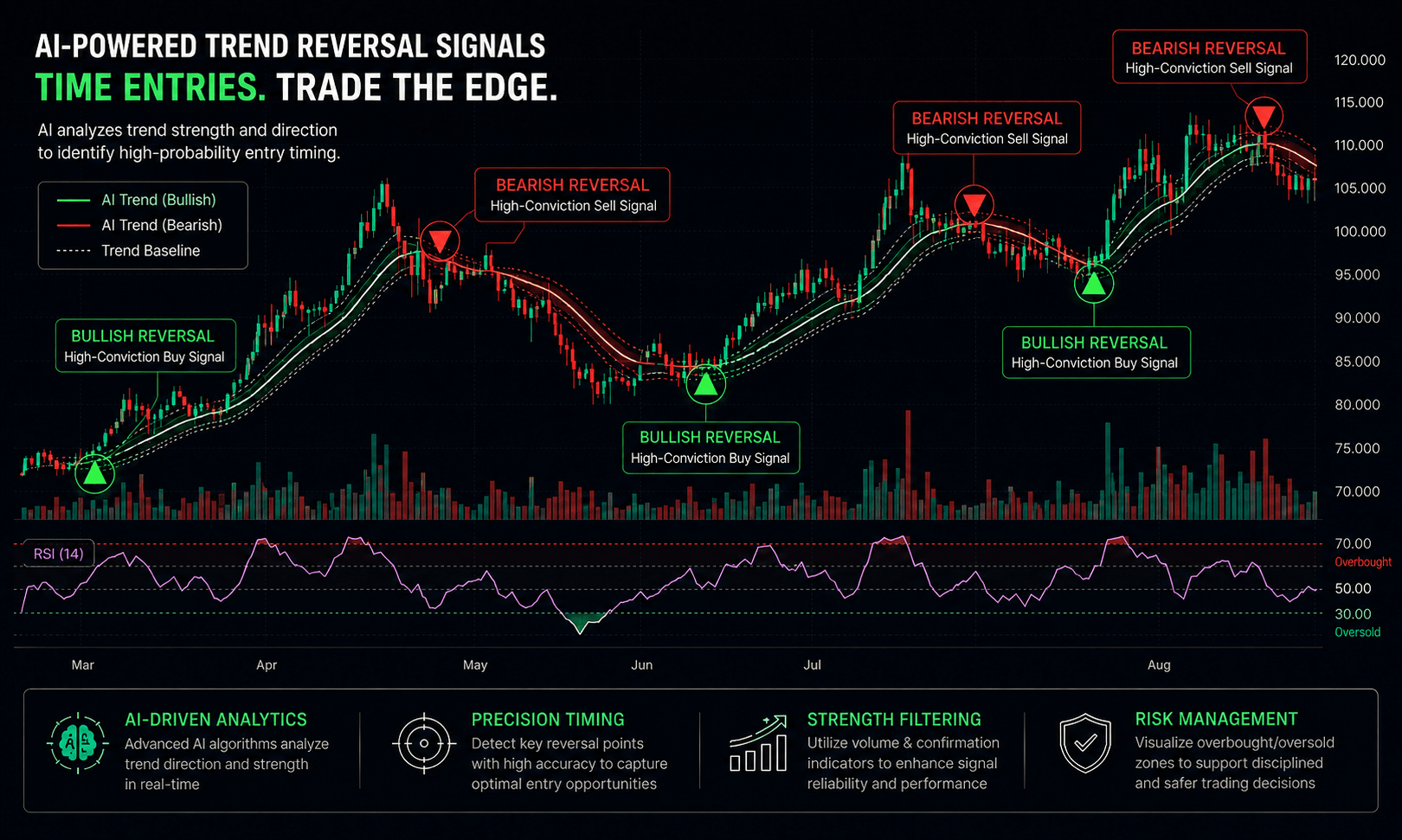
Bull Wave / Bear Wave Forecast Model
Engineered to help you read market direction and momentum faster than the crowd.
- Instantly separate bullish momentum from bearish pressure
- Pinpoint high-probability entry zones with confidence
- Chart signals clear enough for beginners, sharp enough for pros
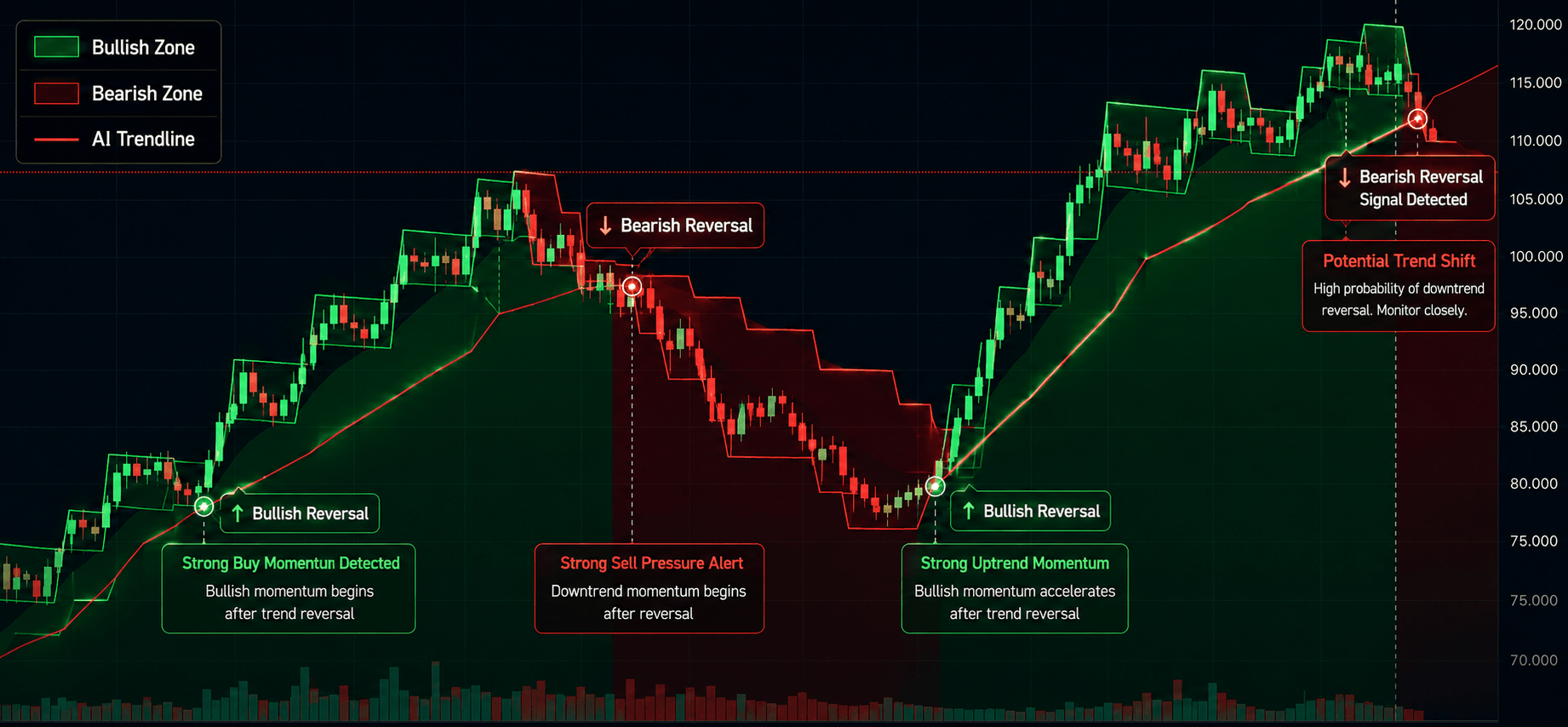
Winning Pattern Detection
Instantly surfaces the high-probability setups that repeat across the charts — a trusted edge for timing your entries and exits.
- Spot momentum building in real time
- Catch trend-reversal points before they break
- Built for active traders who need results, not theory

AI Live Economic Dashboard
AI analyzes real-time market data — turning complex, global investment flows into clear insight in seconds.
- Track global stock markets in real time
- See exactly which assets are strong — and which are fading
- Watch how geopolitical events move the markets
About the Author