What Are Bull and Bear Markets?
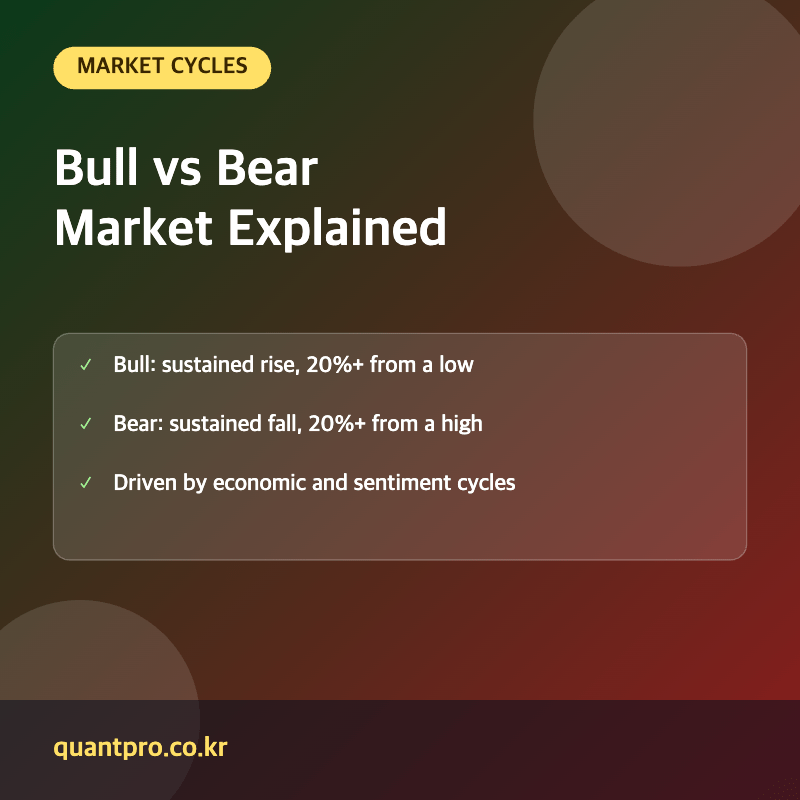
A bull market refers to a sustained period of rising asset prices, typically defined as a 20% or greater increase from a recent low, often accompanied by strong investor optimism and economic growth. A bear market refers to the opposite — a sustained period of falling prices, typically defined as a 20% or greater decline from a recent high, often accompanied by widespread pessimism and economic weakness.
These terms apply broadly to individual stocks, sectors, or entire markets like major indices, and the labels are typically applied based on price trends observed over weeks or months rather than short-term daily fluctuations.
What Drives Bull and Bear Markets
Bull markets are often fueled by strong corporate earnings growth, low interest rates, and rising investor confidence, which encourages more capital to flow into stocks and push prices higher. Bear markets are often triggered by economic recessions, rising interest rates, geopolitical shocks, or a sharp deterioration in corporate earnings expectations, which drives investors toward safer assets and away from equities.
Investor Behavior During Each Phase
During bull markets, investor sentiment tends to be optimistic and risk appetite increases, sometimes leading to speculative excess in the later stages. During bear markets, fear and risk aversion dominate, often causing investors to sell at depressed prices — a behavior pattern that historically has hurt long-term returns for those who abandon their investment strategy during downturns.
| Characteristic | Bull Market | Bear Market |
|---|---|---|
| Price Trend | Sustained rise, 20%+ from a low | Sustained decline, 20%+ from a high |
| Investor Sentiment | Optimism, rising risk appetite | Pessimism, rising risk aversion |
| Common Triggers | Strong earnings, low rates, economic growth | Recession fears, rate hikes, earnings deterioration |
Frequently Asked Questions
How long do bull and bear markets typically last?
Historically, bull markets have tended to last significantly longer on average than bear markets, though the exact duration varies widely depending on the specific economic and market conditions driving each cycle.
Is it possible to know in real time when a bear market has started?
A bear market is only officially confirmed once a 20% decline from a recent high has occurred, meaning the label is typically applied in hindsight rather than predicted with certainty as it unfolds.
What should investors consider doing during a bear market?
Many long-term investors choose to maintain their investment strategy and avoid panic selling during bear markets, since historically, markets have eventually recovered, though individual circumstances and risk tolerance should guide any decision.
Can different sectors be in a bull or bear market simultaneously?
Yes, it is possible for specific sectors or individual stocks to be in a bear market while the broader market index remains in a bull market, and vice versa, reflecting how conditions can vary significantly across different parts of the economy.
Key Takeaways
Bull markets describe sustained price increases of 20% or more from a low, while bear markets describe sustained declines of 20% or more from a high, with each phase shaped by shifting economic conditions and investor sentiment. This article is for informational purposes only and does not constitute investment advice.

QuantPro: AI Finds the Trade Before You Do
From AI-powered chart analysis to real-time market intelligence — everything a serious investor needs, in one platform.
- Automated AI chart analysis with precision trend timing
- Bull Radar: real-time visualization of geopolitical & economic shifts
- Live market-moving news and insights, curated for you
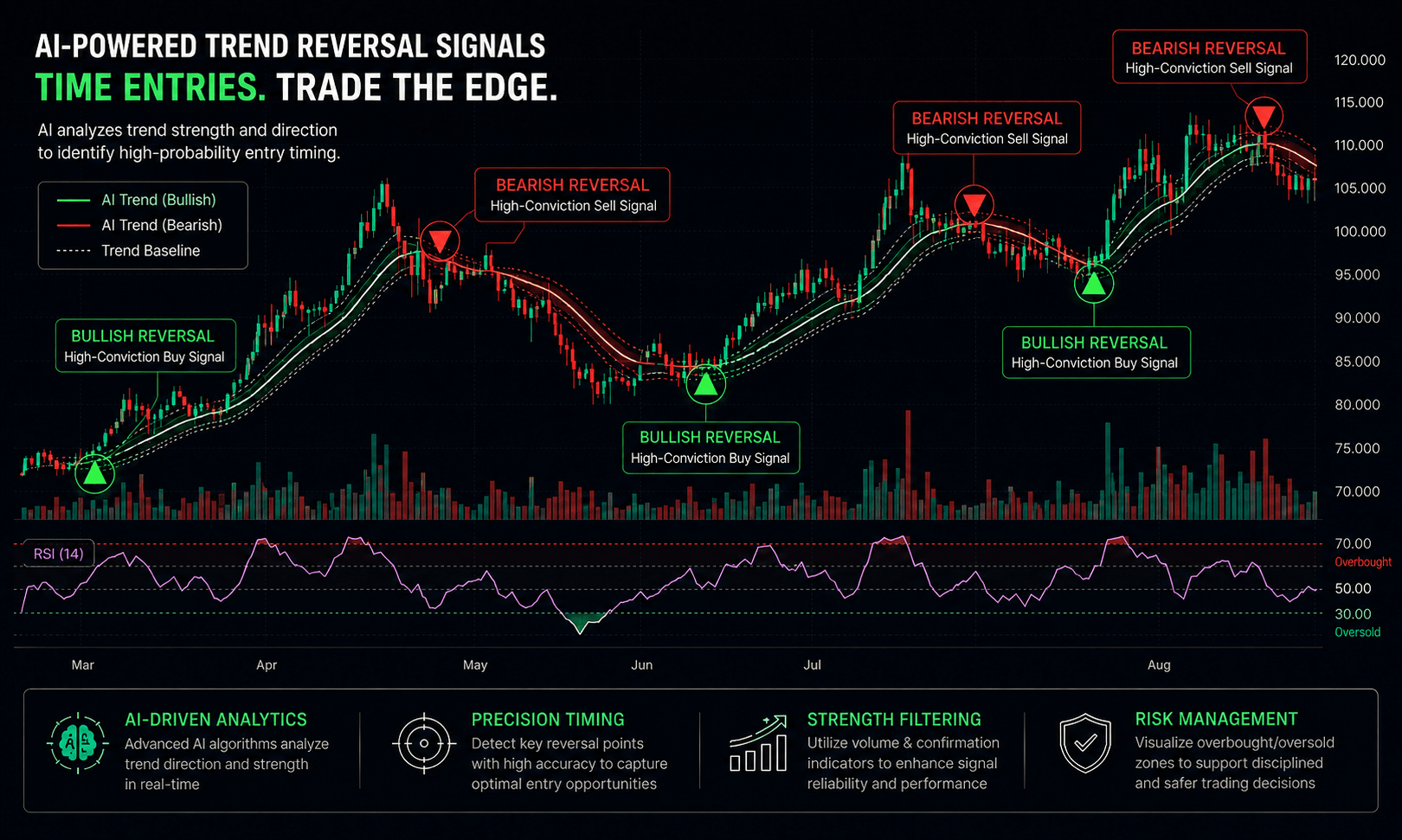
Bull Wave / Bear Wave Forecast Model
Engineered to help you read market direction and momentum faster than the crowd.
- Instantly separate bullish momentum from bearish pressure
- Pinpoint high-probability entry zones with confidence
- Chart signals clear enough for beginners, sharp enough for pros
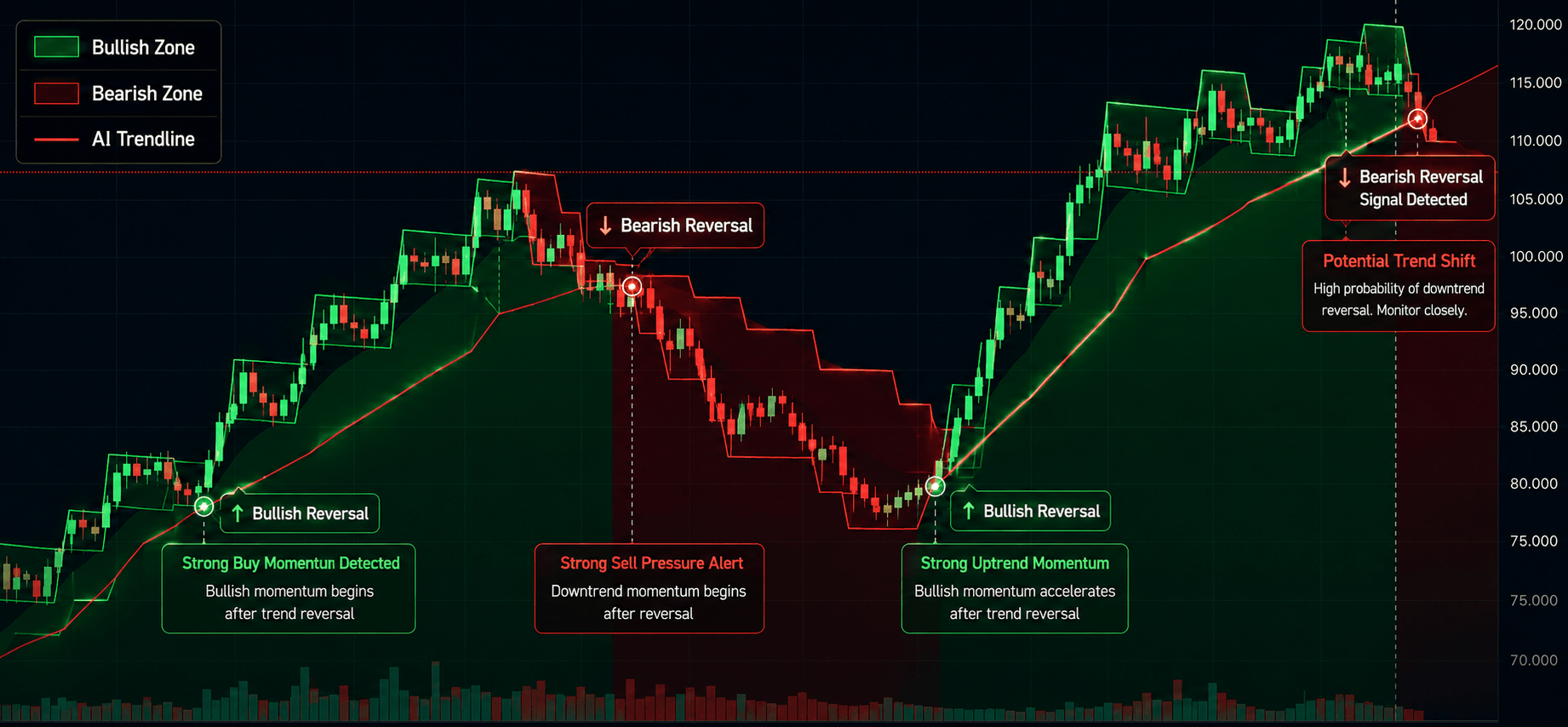
Winning Pattern Detection
Instantly surfaces the high-probability setups that repeat across the charts — a trusted edge for timing your entries and exits.
- Spot momentum building in real time
- Catch trend-reversal points before they break
- Built for active traders who need results, not theory
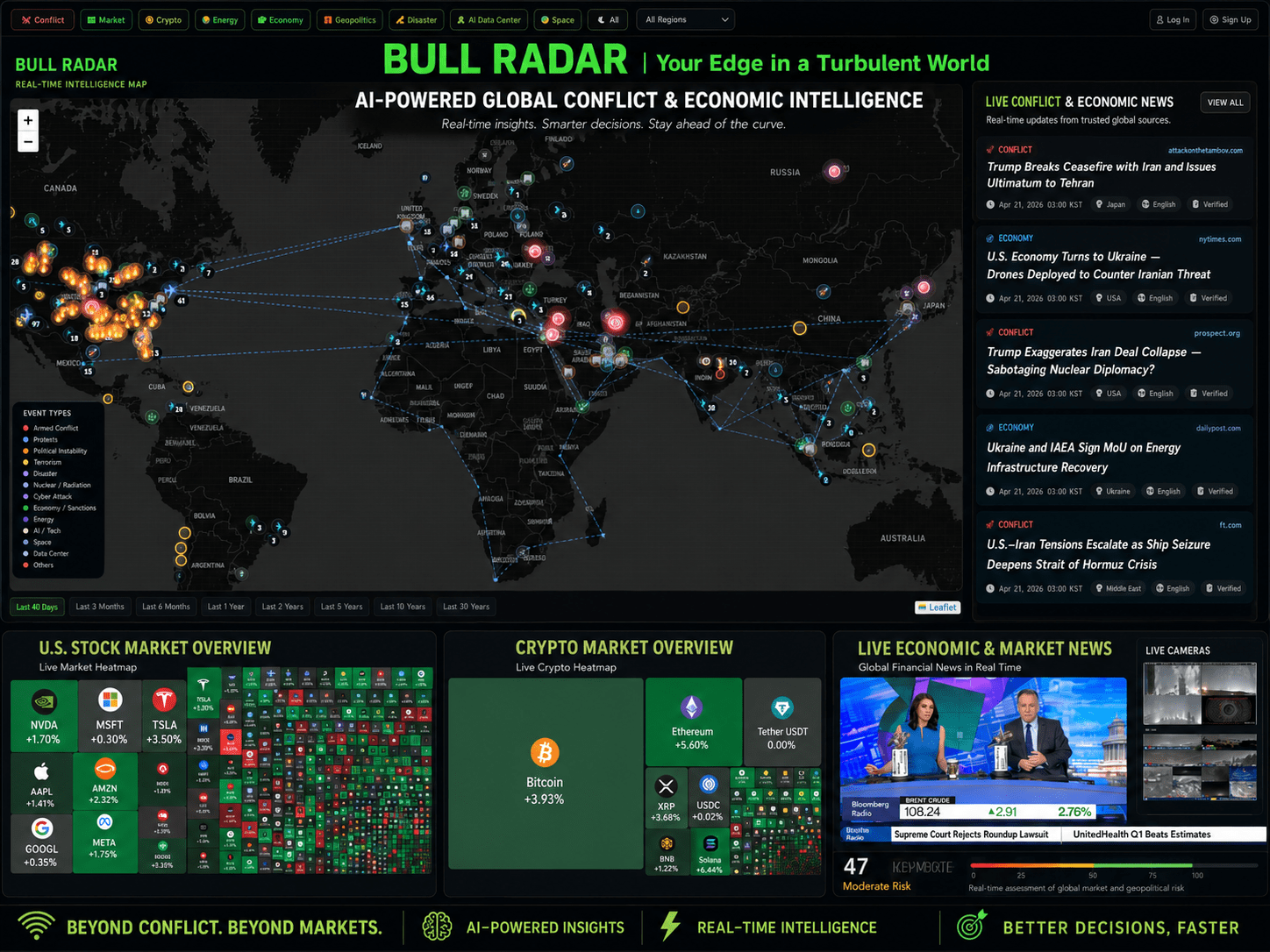
AI Live Economic Dashboard
AI analyzes real-time market data — turning complex, global investment flows into clear insight in seconds.
- Track global stock markets in real time
- See exactly which assets are strong — and which are fading
- Watch how geopolitical events move the markets
About the Author