What Is the Debt-to-Equity Ratio?
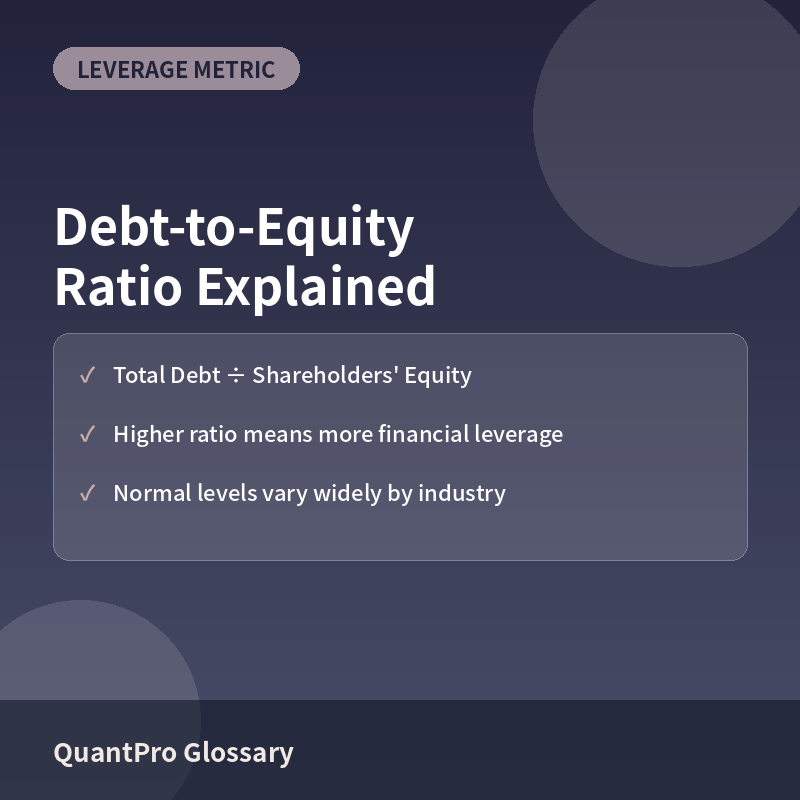
The debt-to-equity (D/E) ratio measures how much debt a company uses to finance its operations relative to the amount funded by shareholders’ equity. It’s a core leverage metric that shows how reliant a company is on borrowed money versus owner-contributed capital.
Debt-to-Equity Formula and Example
The Formula
D/E = Total Liabilities ÷ Shareholders’ Equity. If a company carries $80 million in total debt and has $40 million in shareholders’ equity, its debt-to-equity ratio is 2.0, meaning it uses twice as much debt financing as equity financing.
Why Industry Context Matters
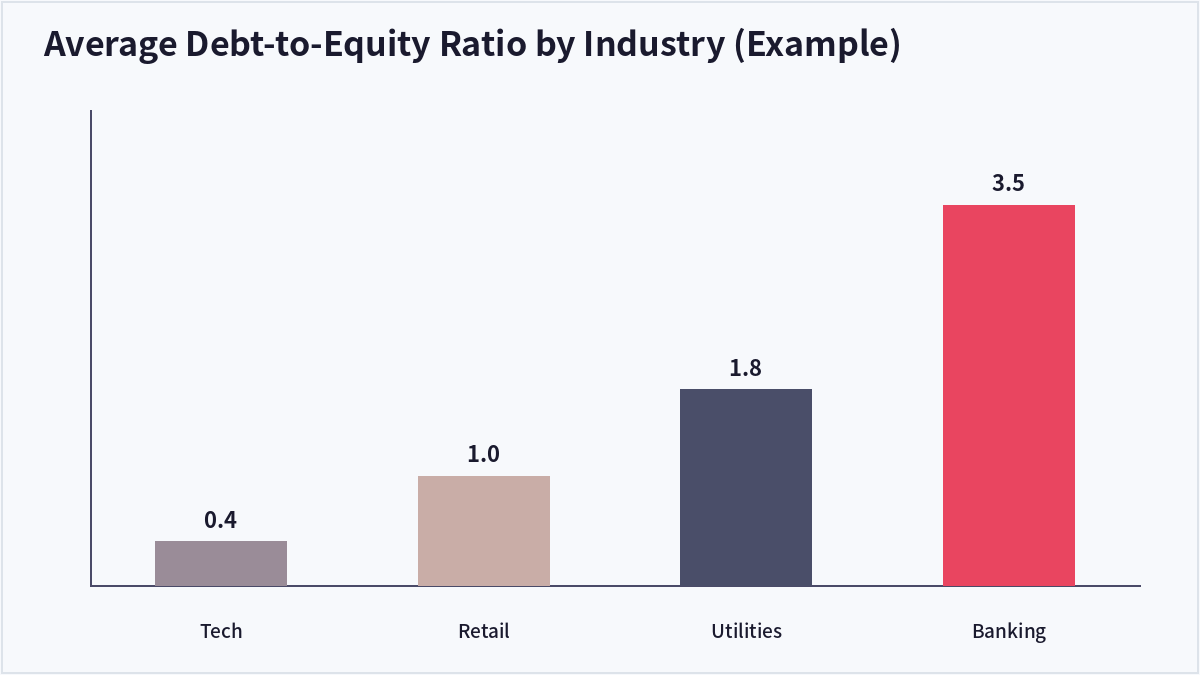
A D/E ratio that looks alarming in one industry can be perfectly normal in another. Capital-intensive businesses like utilities or banks routinely carry high leverage because of the nature of their operations, while asset-light software companies tend to run much lower ratios. The chart below shows how average leverage levels can differ meaningfully across sectors.
Why the Debt-to-Equity Ratio Matters
A high D/E ratio can amplify returns to shareholders when a business performs well, since debt financing doesn’t dilute ownership, but it also raises fixed interest obligations that can strain a company during downturns or rising-rate environments. Lenders and credit rating agencies watch this ratio closely because excessive leverage increases the risk of default if cash flows weaken.
High vs Low D/E Ratio Comparison
The table below summarizes the trade-offs between higher and lower leverage levels.
| Aspect | High D/E Ratio | Low D/E Ratio |
|---|---|---|
| Return potential | Amplified via leverage | More modest, less amplified |
| Financial risk | Higher, esp. in downturns | Lower, more resilient |
| Interest burden | Larger fixed obligations | Smaller fixed obligations |
| Typical sectors | Utilities, banking, real estate | Software, tech, services |
Frequently Asked Questions
Is a high debt-to-equity ratio always a red flag?
Not necessarily. Capital-intensive industries like utilities routinely operate with high leverage as part of a normal business model, so the ratio is most meaningful when compared against direct industry peers rather than judged in isolation.
What’s considered a healthy debt-to-equity ratio?
There’s no single universal benchmark since acceptable leverage varies widely by industry, but many investors compare a company’s D/E ratio to its sector average and its own historical trend to judge whether leverage is rising to concerning levels.
How does the D/E ratio affect shareholder returns?
Using debt instead of issuing new equity can boost returns on shareholders’ capital when the business performs well, since profits aren’t diluted across more shares, but it also magnifies losses and interest costs if performance disappoints.
Why do lenders pay close attention to this ratio?
A high D/E ratio signals that a company already relies heavily on borrowed capital, which can make lenders more cautious about extending further credit or may result in higher interest rates to compensate for added default risk.
Key Takeaways
The debt-to-equity ratio shows how much a company relies on borrowed capital versus shareholder equity, and while higher leverage can amplify returns, it also raises financial risk — making industry-relative comparison essential when interpreting the number. This article is for informational purposes only and does not constitute investment advice.

QuantPro: AI Finds the Trade Before You Do
From AI-powered chart analysis to real-time market intelligence — everything a serious investor needs, in one platform.
- Automated AI chart analysis with precision trend timing
- Bull Radar: real-time visualization of geopolitical & economic shifts
- Live market-moving news and insights, curated for you
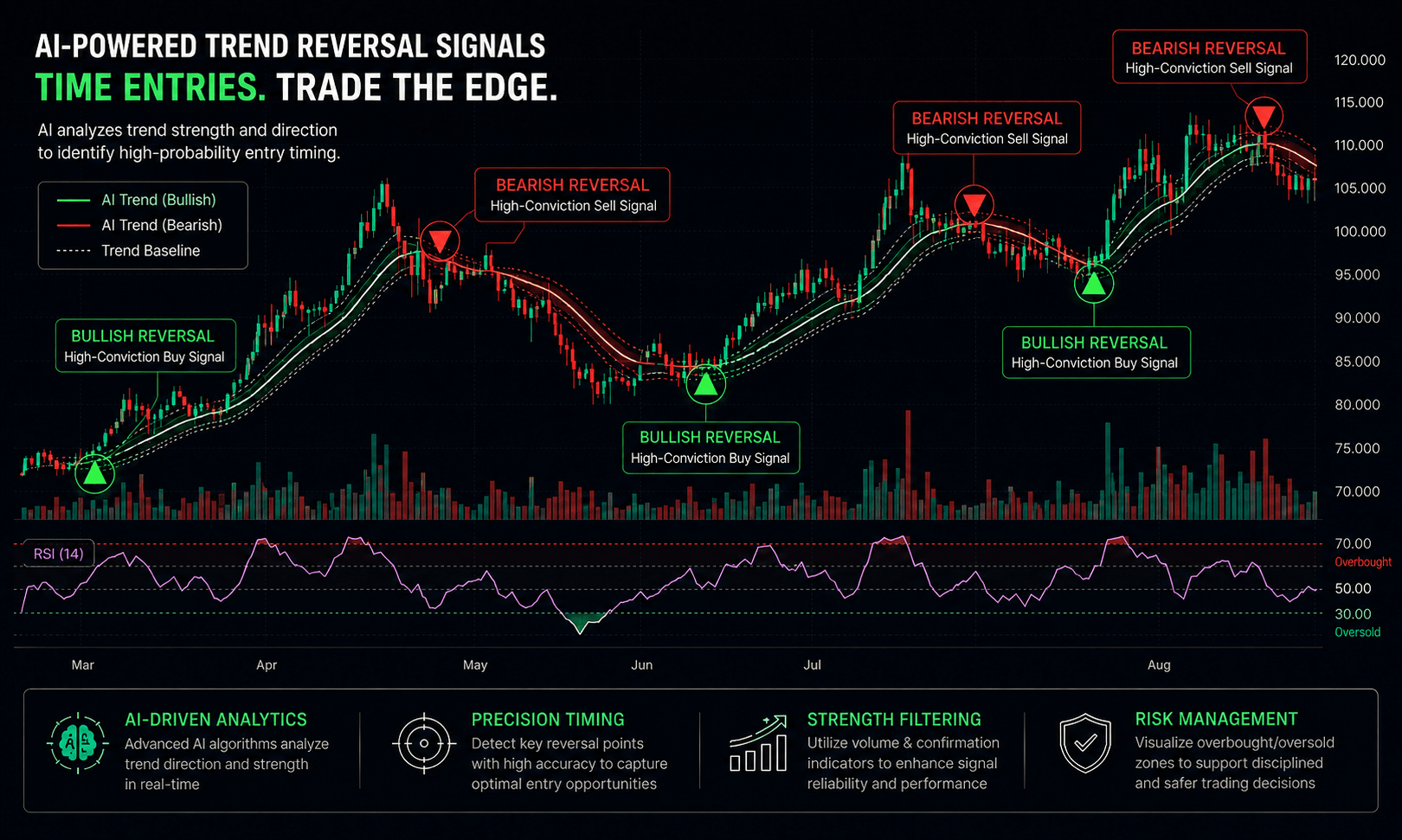
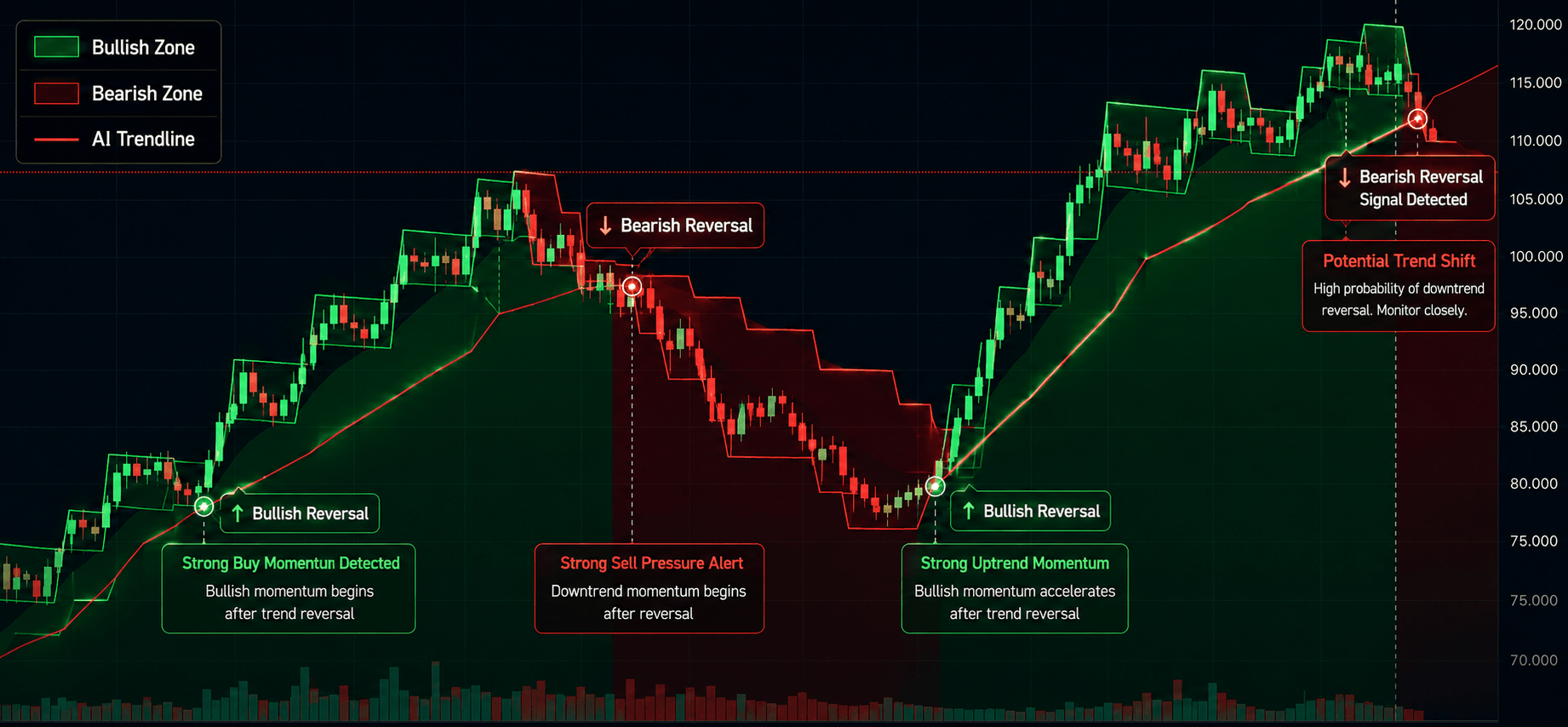
Bull Wave / Bear Wave Forecast Model
Engineered to help you read market direction and momentum faster than the crowd.
- Instantly separate bullish momentum from bearish pressure
- Pinpoint high-probability entry zones with confidence
- Chart signals clear enough for beginners, sharp enough for pros
Winning Pattern Detection
Instantly surfaces the high-probability setups that repeat across the charts — a trusted edge for timing your entries and exits.
- Spot momentum building in real time
- Catch trend-reversal points before they break
- Built for active traders who need results, not theory

AI Live Economic Dashboard
AI analyzes real-time market data — turning complex, global investment flows into clear insight in seconds.
- Track global stock markets in real time
- See exactly which assets are strong — and which are fading
- Watch how geopolitical events move the markets
About the Author