What Is a Stop-Loss Order?
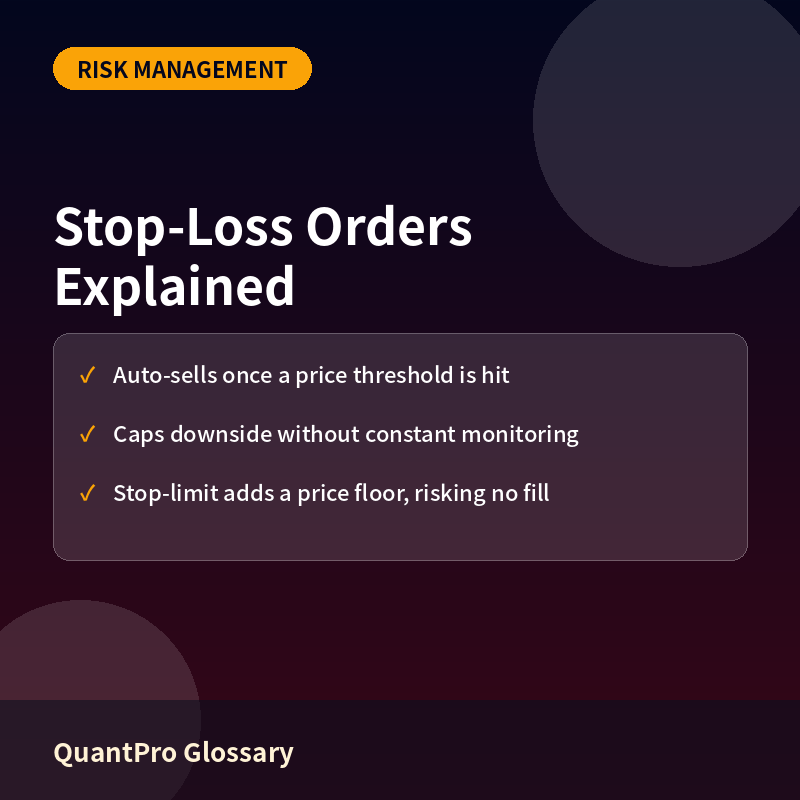
A stop-loss order is a standing instruction to a broker to automatically sell a security once its price falls to a predetermined level, designed to cap losses on a position without requiring the investor to watch the market constantly. It converts into a market order (or a limit order, depending on type) as soon as the stop price is reached.
How Stop-Loss Orders Work
Setting a Stop-Loss Example
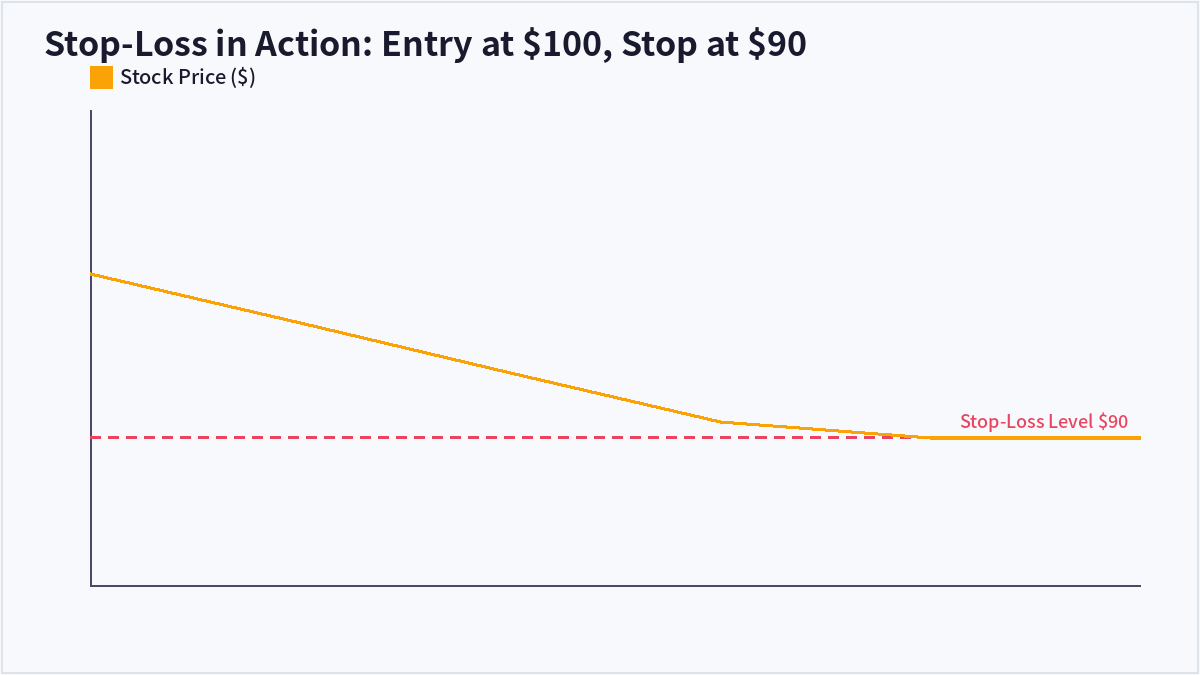
If an investor buys a stock at $100 and wants to limit the potential loss to around 10%, they can set a stop-loss order at $90. If the stock’s price declines to that level, the order automatically triggers a sale, helping lock in a roughly 10% loss rather than risking a much larger decline if the stock keeps falling.
Visualizing the Trigger
The chart below shows a stock declining from a $100 entry toward a $90 stop-loss level. As soon as the price touches that threshold, the stop-loss order executes and the position is closed, preventing further downside from continuing to erode the investment.
Why Stop-Loss Orders Matter
Stop-loss orders remove emotion from the exit decision by pre-committing to a maximum acceptable loss before a trade even begins, which can be especially valuable during volatile or fast-moving markets. However, in a sharp gap-down move, the actual execution price on a standard stop-market order can end up worse than the stop price, since the order simply becomes a market order once triggered rather than guaranteeing that exact price.
Stop-Market vs Stop-Limit Orders
The table below compares the two main variants of stop-loss orders.
| Aspect | Stop-Market Order | Stop-Limit Order |
|---|---|---|
| Execution | Becomes a market order at trigger | Becomes a limit order at trigger |
| Fill guarantee | Guaranteed to fill | Not guaranteed to fill |
| Price control | No control over final fill price | Sets a minimum acceptable price |
| Key risk | Slippage in fast-moving markets | May not execute if price gaps past limit |
Frequently Asked Questions
Does a stop-loss order guarantee I’ll sell at exactly that price?
Not with a standard stop-market order — once triggered, it becomes a market order that fills at the best available price, which can be worse than the stop price during a sharp gap or fast-moving decline.
What’s the difference between a stop-loss and a stop-limit order?
A stop-loss (stop-market) order guarantees execution but not price once triggered, while a stop-limit order adds a minimum acceptable sale price, guaranteeing price control but risking no execution at all if the stock gaps below that limit.
How do investors decide where to set a stop-loss level?
Common approaches include setting a fixed percentage below the entry price, placing the stop below a recent technical support level, or basing it on the stock’s typical volatility, though the right distance depends on individual risk tolerance.
Can a stop-loss order be adjusted after it’s placed?
Yes, most brokers allow investors to modify or cancel a pending stop-loss order at any time before it triggers, and some traders use a trailing stop that automatically adjusts upward as the price rises.
Key Takeaways
A stop-loss order automatically sells a position once it hits a set price, helping cap downside risk without constant monitoring — though standard stop-market orders can still fill at a worse price during sharp, fast-moving declines. This article is for informational purposes only and does not constitute investment advice.

QuantPro: AI Finds the Trade Before You Do
From AI-powered chart analysis to real-time market intelligence — everything a serious investor needs, in one platform.
- Automated AI chart analysis with precision trend timing
- Bull Radar: real-time visualization of geopolitical & economic shifts
- Live market-moving news and insights, curated for you
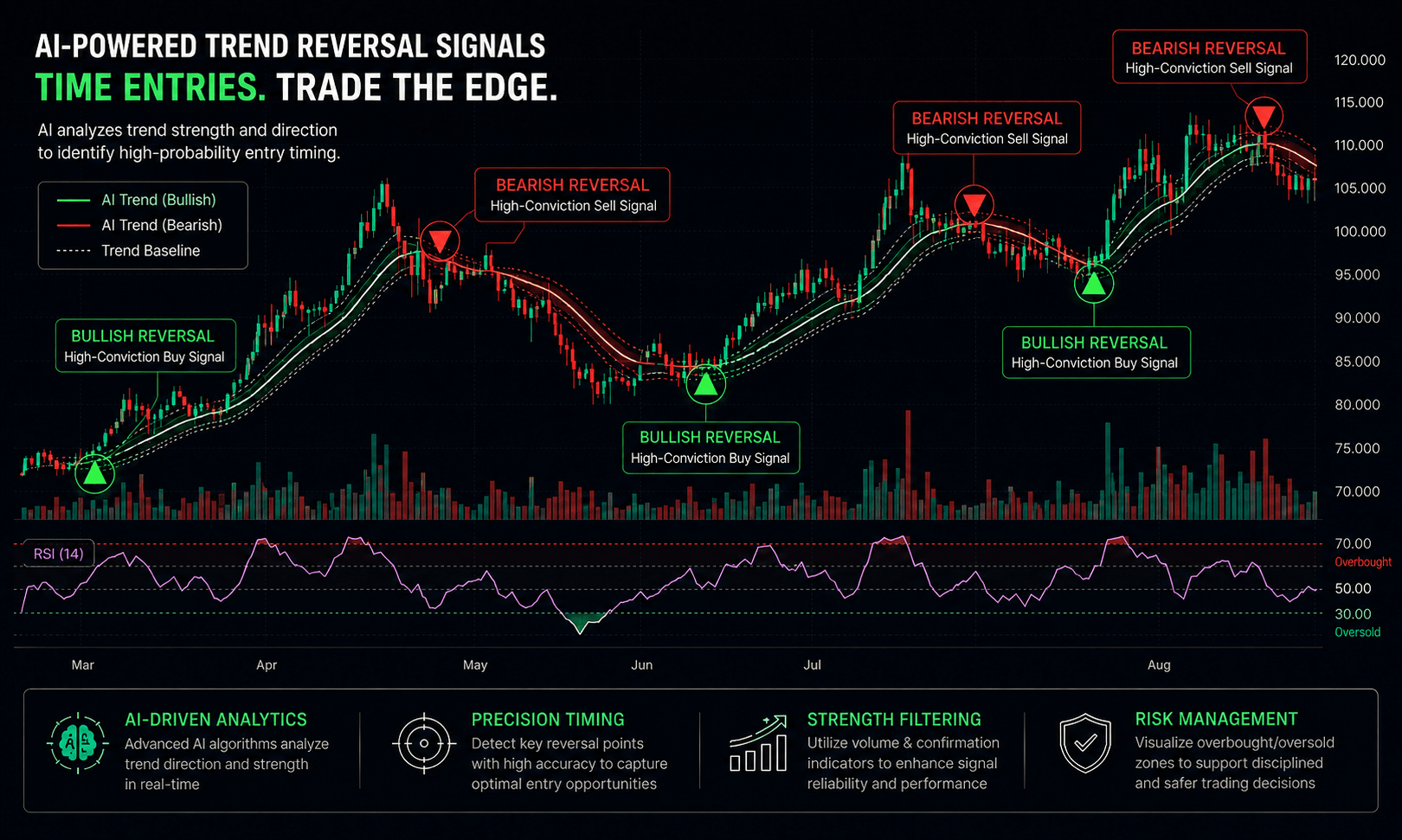
Bull Wave / Bear Wave Forecast Model
Engineered to help you read market direction and momentum faster than the crowd.
- Instantly separate bullish momentum from bearish pressure
- Pinpoint high-probability entry zones with confidence
- Chart signals clear enough for beginners, sharp enough for pros
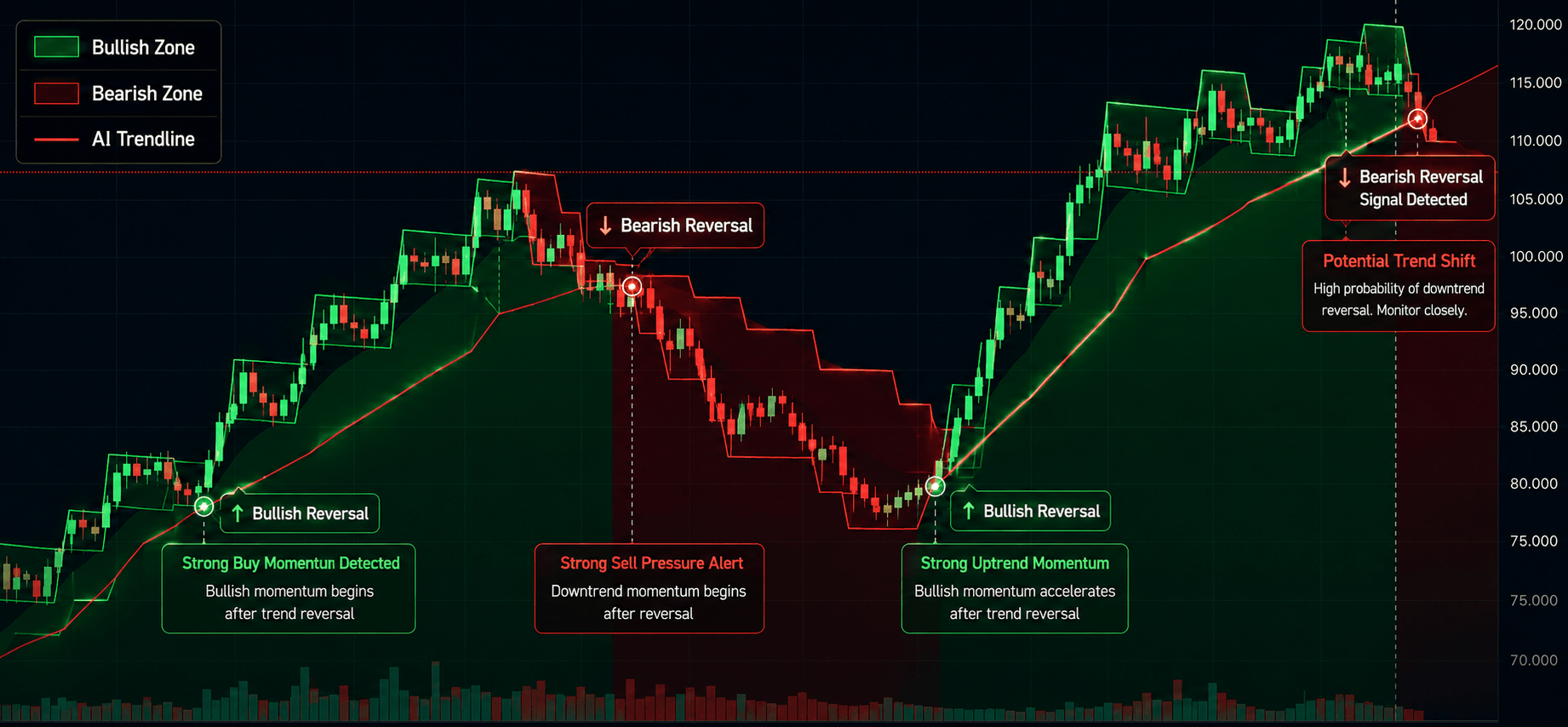
Winning Pattern Detection
Instantly surfaces the high-probability setups that repeat across the charts — a trusted edge for timing your entries and exits.
- Spot momentum building in real time
- Catch trend-reversal points before they break
- Built for active traders who need results, not theory
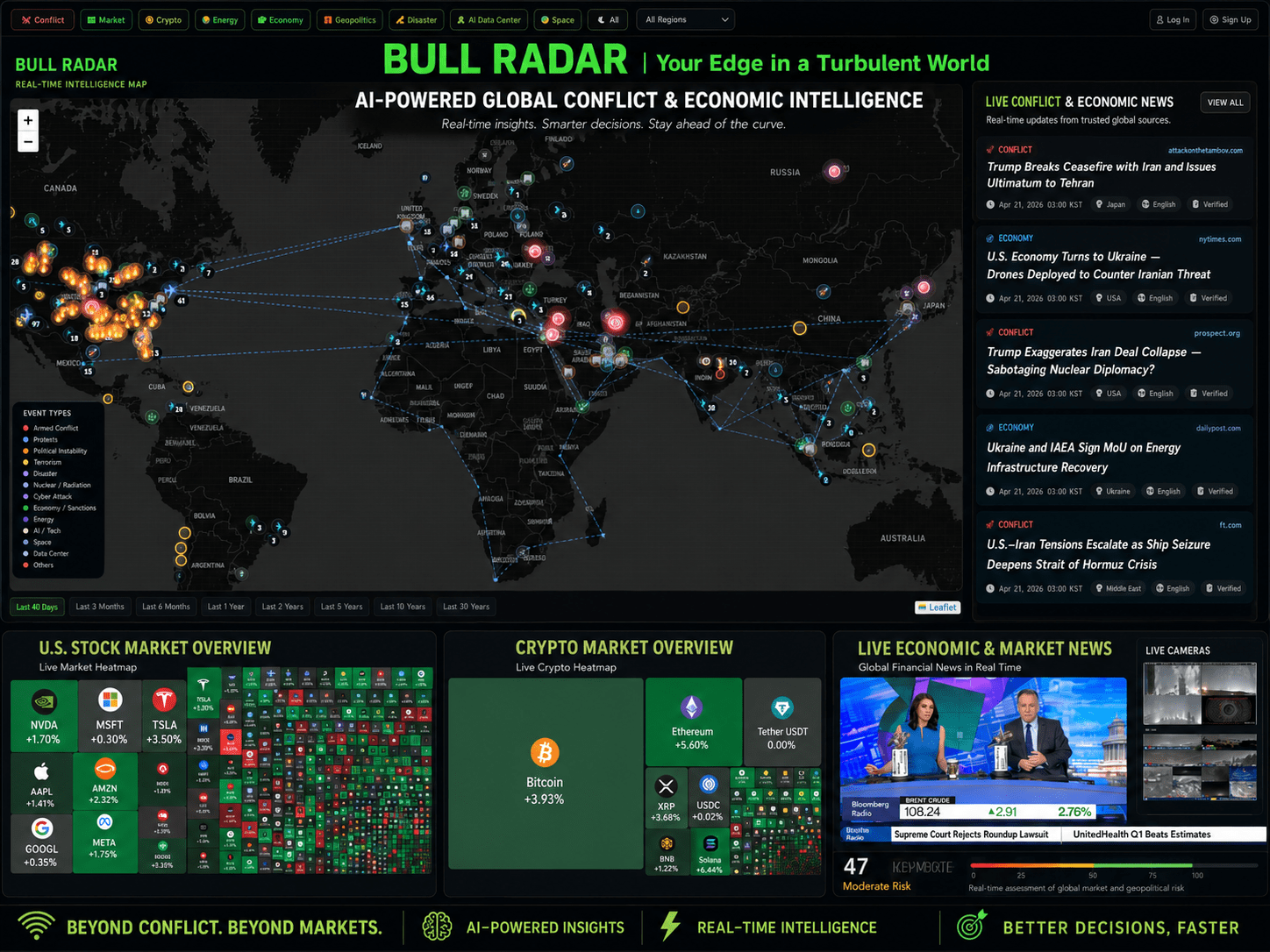
AI Live Economic Dashboard
AI analyzes real-time market data — turning complex, global investment flows into clear insight in seconds.
- Track global stock markets in real time
- See exactly which assets are strong — and which are fading
- Watch how geopolitical events move the markets
About the Author