What Is Operating Margin?
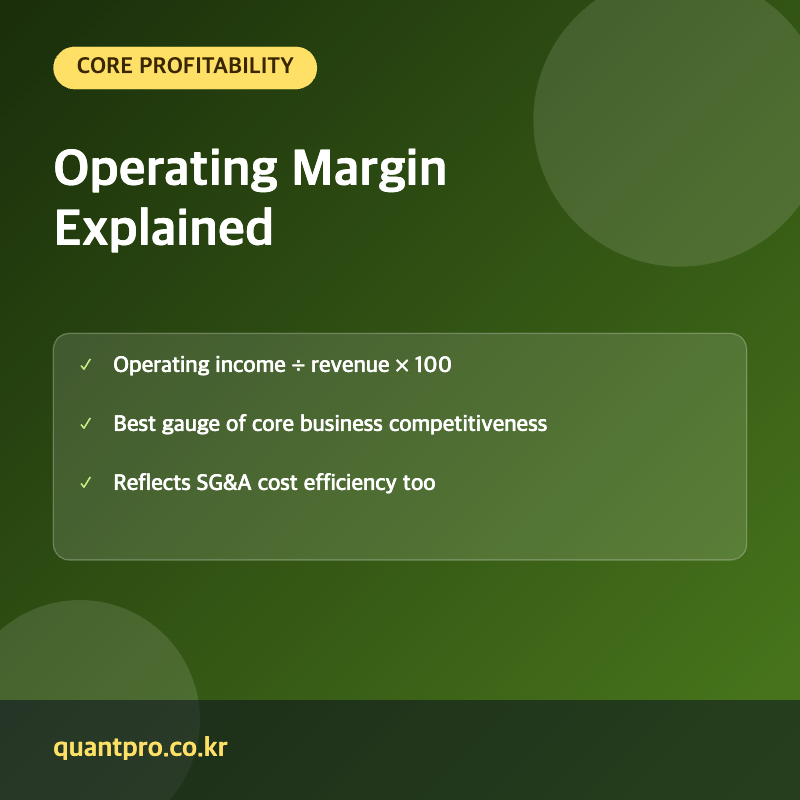
Operating margin measures the percentage of revenue remaining after subtracting both the cost of goods sold and selling, general, and administrative (SG&A) expenses. The formula is Operating Income ÷ Revenue × 100, and it shows how efficiently a company generates profit from its core business operations alone.
Because operating margin excludes non-operating items such as interest income or gains from asset sales, it is considered a more accurate reflection of a company’s pure core-business competitiveness than net profit margin.
Why Operating Margin Matters
A consistently high operating margin signals that a company possesses both pricing power and strong cost discipline. If gross margin is high but operating margin is low, it often means SG&A or marketing expenses are eating into profitability more than expected.
Relationship With Gross Margin
Operating margin is derived from gross margin after further subtracting SG&A expenses as a share of revenue, so comparing the two side by side lets analysts separate cost structure issues into production costs versus selling and administrative costs.
| Metric | Costs Deducted | Key Insight |
|---|---|---|
| Gross Margin | Cost of goods sold only | Pricing power and production cost control |
| Operating Margin | COGS + SG&A expenses | Overall core-business profitability |
| Net Profit Margin | Non-operating items and taxes as well | Final profitability attributable to shareholders |
Frequently Asked Questions
What operating margin is considered good?
This varies widely by industry, but a general manufacturing benchmark of 10% or higher is often viewed as healthy. Always compare against industry peers for meaningful interpretation.
Why is operating margin always lower than or equal to gross margin?
Operating margin further deducts SG&A expenses from gross profit, so it is structurally impossible for operating margin to exceed gross margin.
How does a falling operating margin affect stock price?
A declining operating margin is often interpreted as weakening core competitiveness, which can lower investors’ earnings expectations and put downward pressure on the stock price.
How does operating margin differ from EBITDA margin?
EBITDA margin adds back depreciation and amortization to operating income, making it more useful than operating margin when comparing cash-generating ability across capital-intensive companies.
Key Takeaways
Operating margin shows the share of revenue remaining after deducting both production and selling/administrative costs, offering the clearest view of a company’s core-business competitiveness when compared alongside gross margin and net profit margin. This article is for informational purposes only and does not constitute investment advice.

QuantPro: AI Finds the Trade Before You Do
From AI-powered chart analysis to real-time market intelligence — everything a serious investor needs, in one platform.
- Automated AI chart analysis with precision trend timing
- Bull Radar: real-time visualization of geopolitical & economic shifts
- Live market-moving news and insights, curated for you
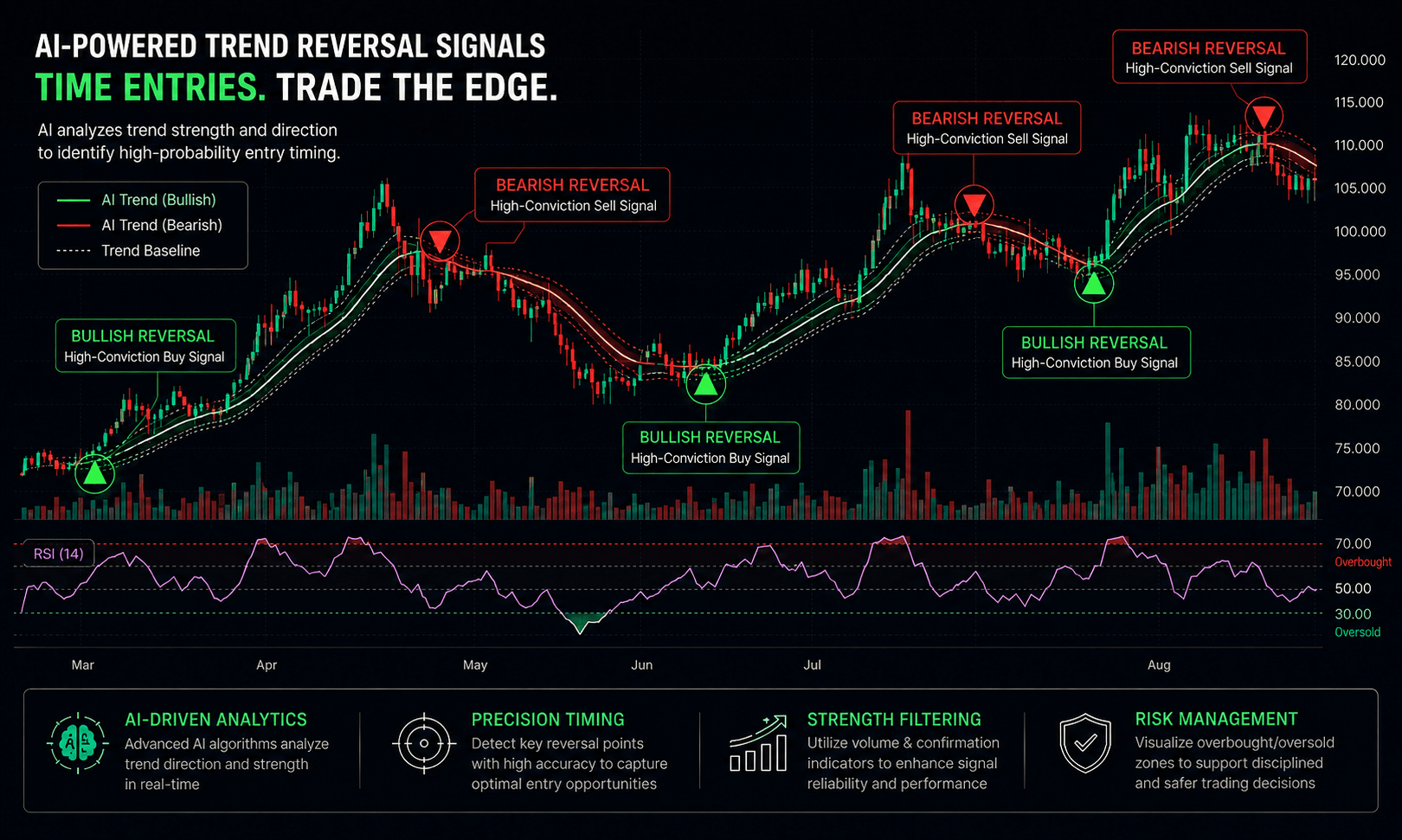
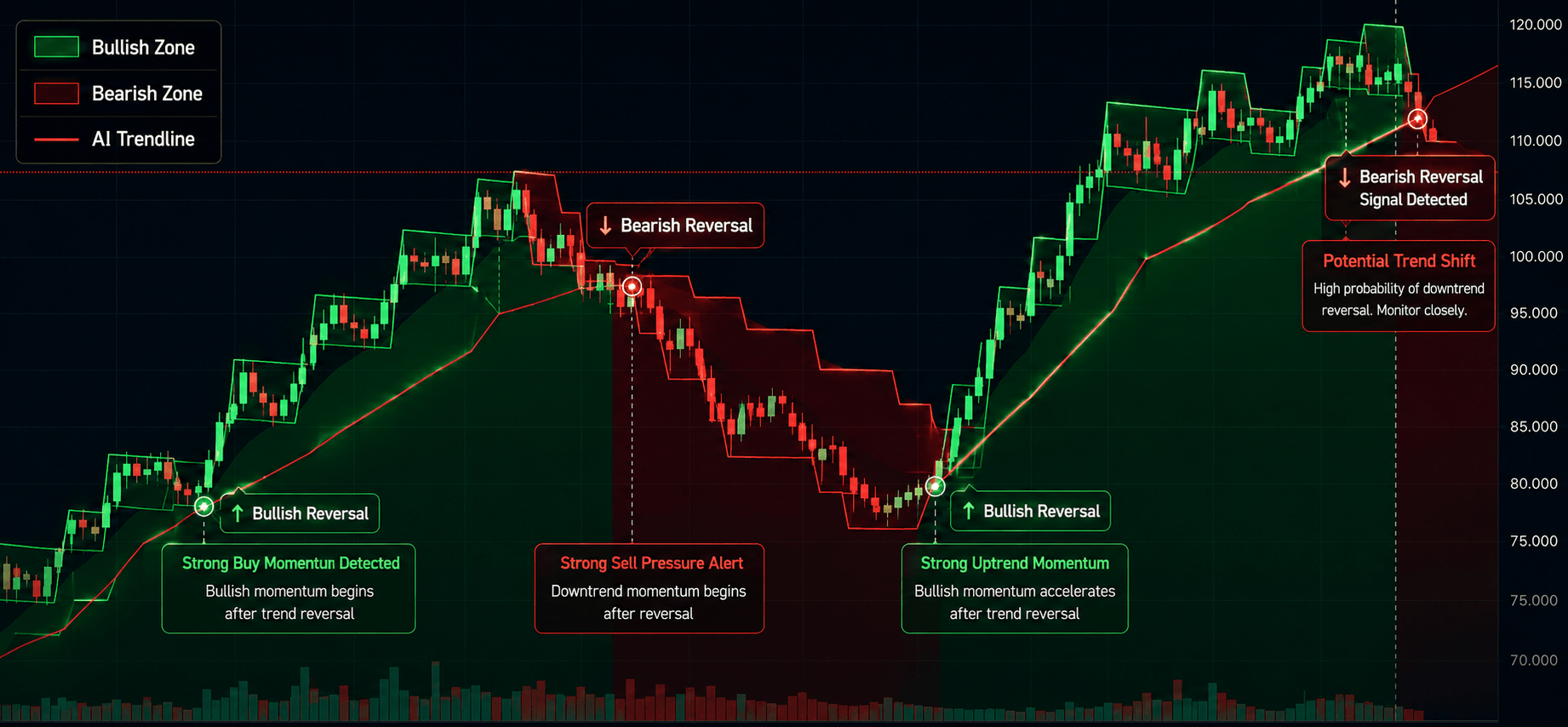
Bull Wave / Bear Wave Forecast Model
Engineered to help you read market direction and momentum faster than the crowd.
- Instantly separate bullish momentum from bearish pressure
- Pinpoint high-probability entry zones with confidence
- Chart signals clear enough for beginners, sharp enough for pros
Winning Pattern Detection
Instantly surfaces the high-probability setups that repeat across the charts — a trusted edge for timing your entries and exits.
- Spot momentum building in real time
- Catch trend-reversal points before they break
- Built for active traders who need results, not theory

AI Live Economic Dashboard
AI analyzes real-time market data — turning complex, global investment flows into clear insight in seconds.
- Track global stock markets in real time
- See exactly which assets are strong — and which are fading
- Watch how geopolitical events move the markets
About the Author