What Is the Loan-to-Value (LTV) Ratio?
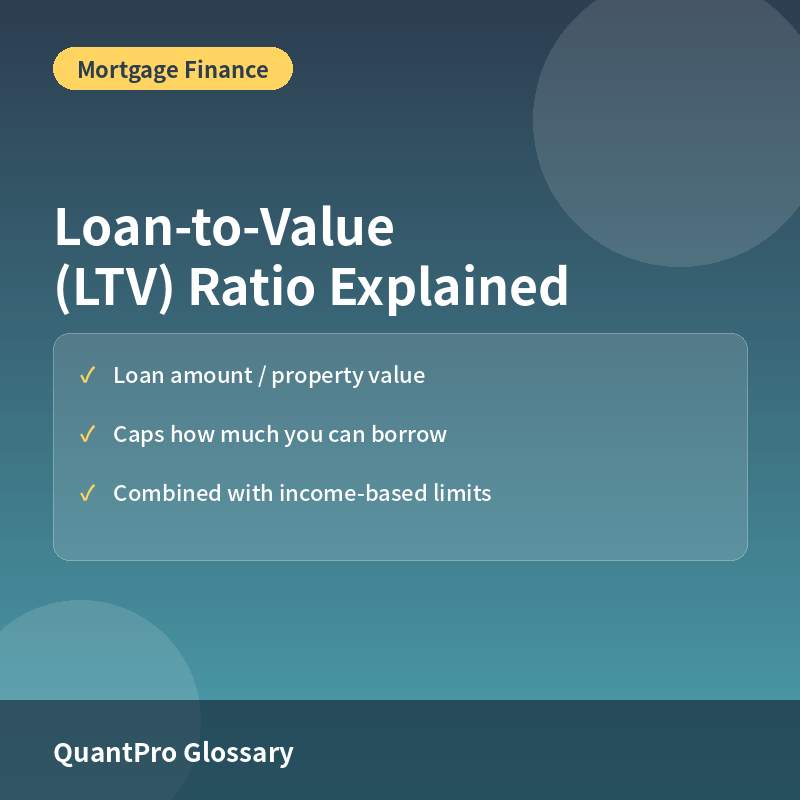
The loan-to-value ratio compares the amount of a loan to the appraised value (or market price) of the property securing it. Lenders and regulators use LTV limits to control how much borrowers can finance relative to collateral value, directly shaping how large a mortgage a buyer can actually obtain.
The LTV Formula
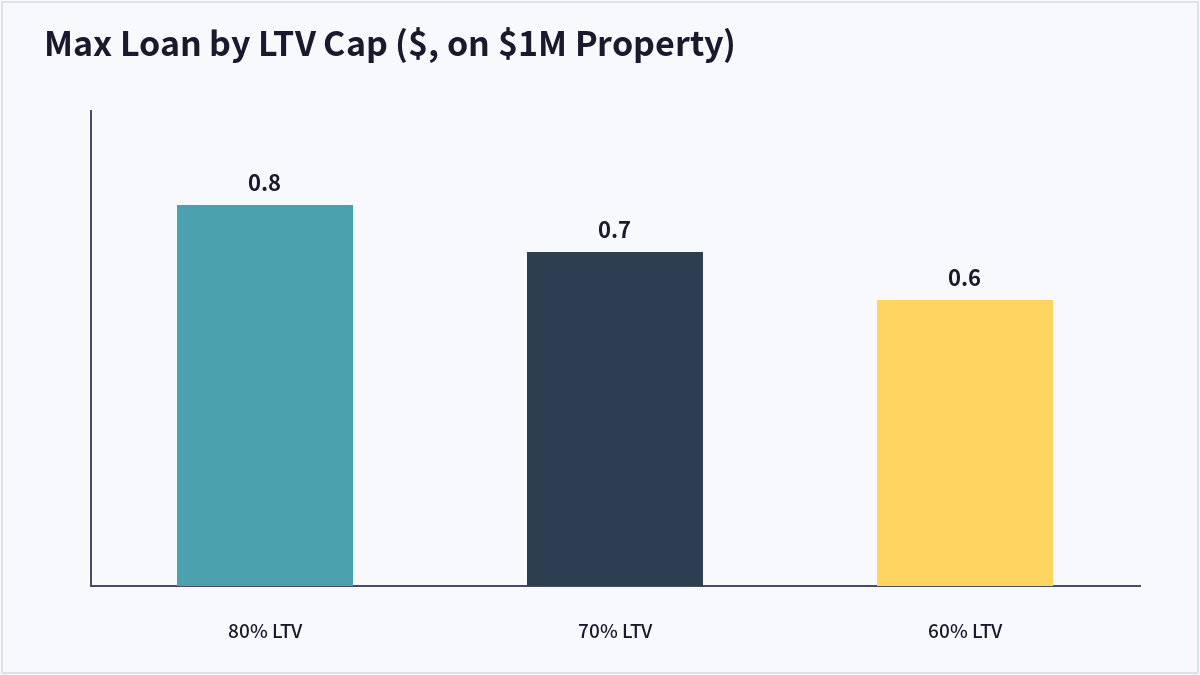
LTV is calculated as: Loan Amount / Appraised Property Value × 100. On a $1M home with an LTV cap of 70%, the maximum loan amount is 70% of $1M, or $700K. Lenders typically use the lower of the appraised value and the purchase price when applying this calculation.
How LTV Interacts With Income-Based Limits
LTV caps the loan based on collateral value, while debt-to-income measures like DTI or DSR cap it based on the borrower’s ability to repay. Both constraints typically apply simultaneously, and the lower of the two figures becomes the actual maximum loan. A borrower who qualifies for $700K under LTV might still be capped at $500K if their income-based limit is more restrictive.
Why LTV Limits Vary
Regulators often tighten LTV limits in markets or regions experiencing rapid price appreciation, and loosen them for first-time buyers or in slower markets. On the same $1M property, the maximum loan can differ by hundreds of thousands of dollars depending on which LTV tier applies, so checking current limits before house-hunting matters.
Private Mortgage Insurance and High-LTV Loans
In many markets, loans above a certain LTV threshold (commonly 80%) require private mortgage insurance (PMI) or an equivalent premium, which adds to the borrower’s monthly cost. This is a separate consideration from the LTV cap itself but often factors into the total cost comparison between a larger loan and a bigger down payment.
| LTV Cap | Max Loan (on $1M property) | Typical Context |
|---|---|---|
| 80% | $800,000 | Standard/first-time buyer |
| 70% | $700,000 | Standard conforming |
| 60% | $600,000 | Higher-risk or restricted markets |
Frequently Asked Questions
Which determines the final loan amount, LTV or income-based limits?
Both apply, and the lower of the two figures sets the actual maximum loan, so it’s worth calculating both before assuming your LTV-based figure is achievable.
Is LTV based on appraised value or purchase price?
Lenders generally use whichever is lower — the appraised value or the agreed purchase price — to prevent overborrowing relative to collateral.
Do first-time buyers get better LTV terms?
In many jurisdictions, yes — first-time buyer programs sometimes allow higher LTV caps, though eligibility criteria around income and property price limits vary and should be confirmed with a lender.
What happens if my loan exceeds standard LTV thresholds?
Loans above common thresholds like 80% LTV often require private mortgage insurance or a similar premium, which increases the effective cost of borrowing until the loan balance is paid down.
Key Takeaways
The loan-to-value ratio caps how much a borrower can finance relative to a property’s value, and actual limits vary by market and borrower profile. Because income-based limits like DTI or DSR apply simultaneously, the true maximum loan is set by whichever constraint is lower. This article is for informational purposes only and does not constitute investment advice.

QuantPro: AI Finds the Trade Before You Do
From AI-powered chart analysis to real-time market intelligence — everything a serious investor needs, in one platform.
- Automated AI chart analysis with precision trend timing
- Bull Radar: real-time visualization of geopolitical & economic shifts
- Live market-moving news and insights, curated for you
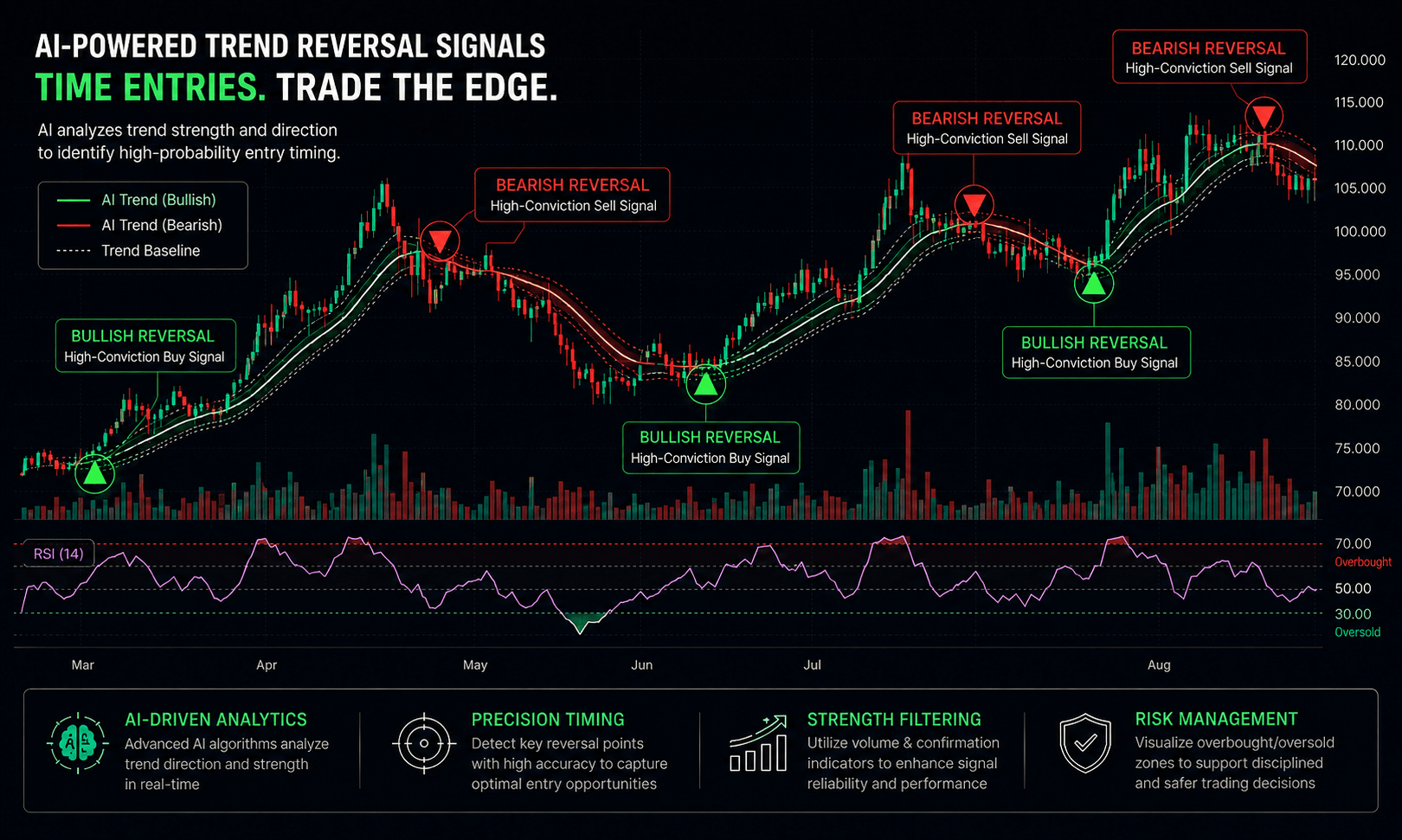
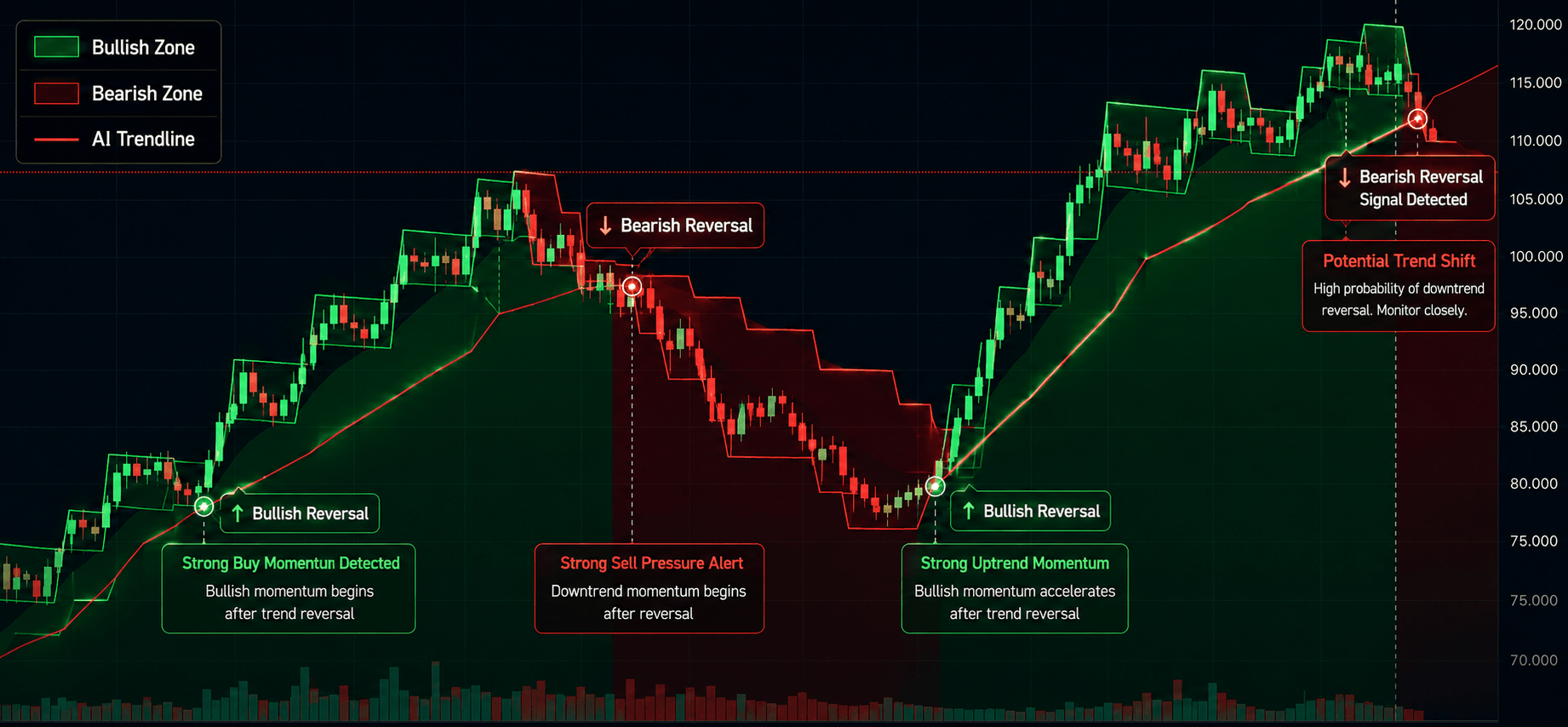
Bull Wave / Bear Wave Forecast Model
Engineered to help you read market direction and momentum faster than the crowd.
- Instantly separate bullish momentum from bearish pressure
- Pinpoint high-probability entry zones with confidence
- Chart signals clear enough for beginners, sharp enough for pros
Winning Pattern Detection
Instantly surfaces the high-probability setups that repeat across the charts — a trusted edge for timing your entries and exits.
- Spot momentum building in real time
- Catch trend-reversal points before they break
- Built for active traders who need results, not theory

AI Live Economic Dashboard
AI analyzes real-time market data — turning complex, global investment flows into clear insight in seconds.
- Track global stock markets in real time
- See exactly which assets are strong — and which are fading
- Watch how geopolitical events move the markets
About the Author